Digital vs Mechanical Kitchen Scale
If you love cooking or baking, you already know that guessing with cups and spoons can mess up a recipe fast. A good kitchen scale fixes that problem in seconds. But once you start shopping, you hit a simple question: should you buy a digital kitchen scale or a mechanical kitchen scale?
In this article
Both tools do the same basic job. They weigh your food. But they do it in very different ways, and each one has its own strengths and weak points. In this article, we will break down everything in plain language, so even a total beginner can pick the right scale without any stress.
Let’s get into it.
What Is a Mechanical Kitchen Scale?
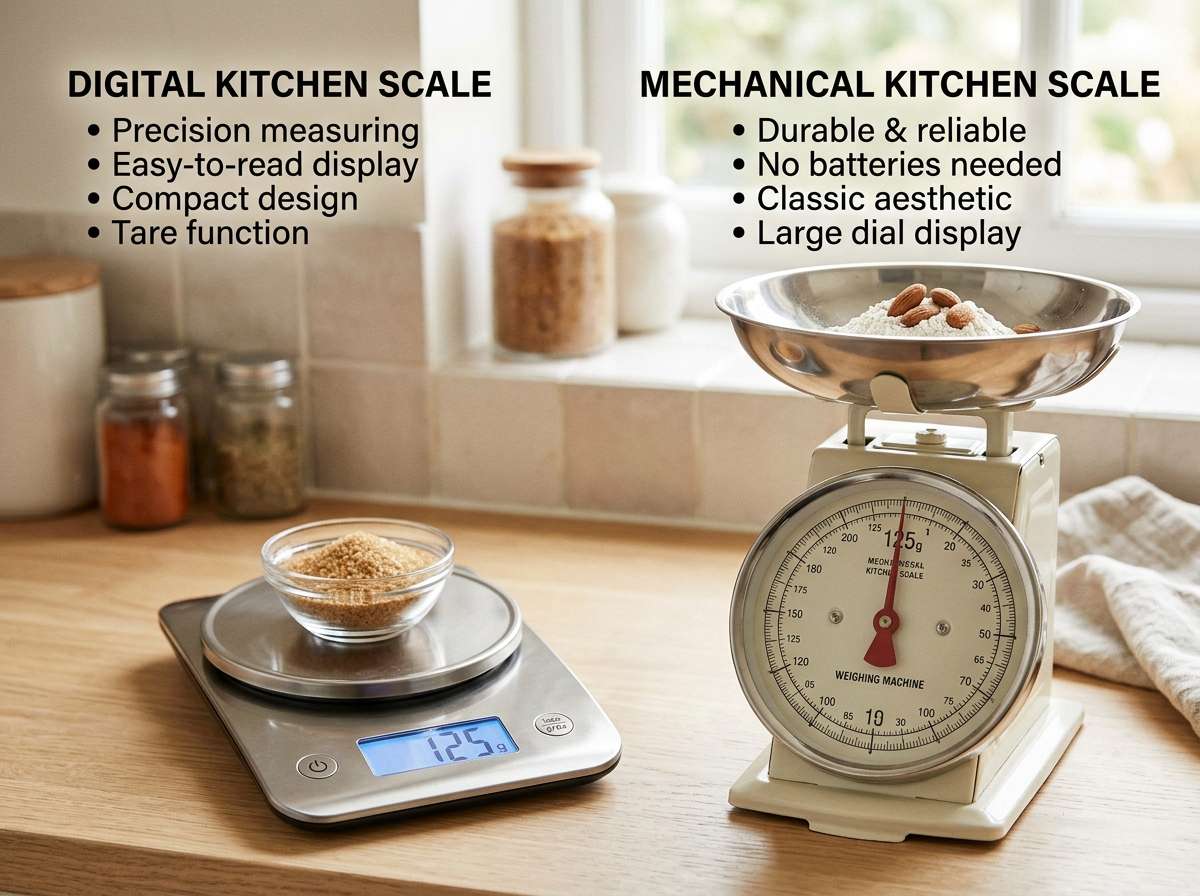
A mechanical kitchen scale is the old-school style scale. It uses a spring or a set of gears inside to measure weight. You place food on the tray, and a needle moves around a dial to show the weight. There is no battery, no screen, and no buttons. Just simple, physical parts working together.
This type of scale has been around for a long time, and many home cooks still trust it because it feels sturdy and reliable. It works purely on physics, so there is nothing electronic that can break down or run out of power.
What Is a Digital Kitchen Scale?
A digital kitchen scale uses electronic sensors called load cells to measure weight. Instead of a needle and dial, it shows the exact weight on a small digital screen. Most digital scales run on batteries or a USB cable, and they usually offer extra features like unit conversion, a tare function, and sometimes even a timer or nutrition tracker.
This is the newer style of scale, and it has become very popular in modern kitchens because of how precise and easy it is to use.
The Core Difference Between the Two
The biggest gap between these two scales comes down to accuracy and display style.
A mechanical scale gives you a general reading. You look at where the needle lands on the dial, and you estimate the number. This works fine for basic cooking, but it can be tricky when you need an exact amount, like 2 grams of yeast or 5 grams of baking soda.
A digital scale gives you an exact number on the screen. There is no guessing. You get a clear reading down to the gram, and sometimes even smaller units. This makes digital scales a favorite for baking, where small measurement mistakes can ruin a cake or bread recipe.
Now let’s dig deeper into the other factors that matter when you compare these two tools.
Accuracy and Precision
Precision is where digital scales really shine. Since they rely on electronic sensors, they can measure very small changes in weight. Many digital models can detect a difference of just one gram or even 0.1 grams. This level of detail is great for recipes that need exact measurements, such as coffee brewing, baking, or portion control for a diet plan.
Mechanical scales, on the other hand, work with a needle that moves across marked lines on a dial. Reading it accurately depends on your eyesight and how steady your hand is when you place the item. It is harder to get super precise numbers, especially for very light ingredients like spices or yeast.
If your cooking style needs exact measurements, digital wins this round easily. If you mostly cook simple meals where rough amounts are fine, a mechanical scale can still get the job done.
Ease of Use
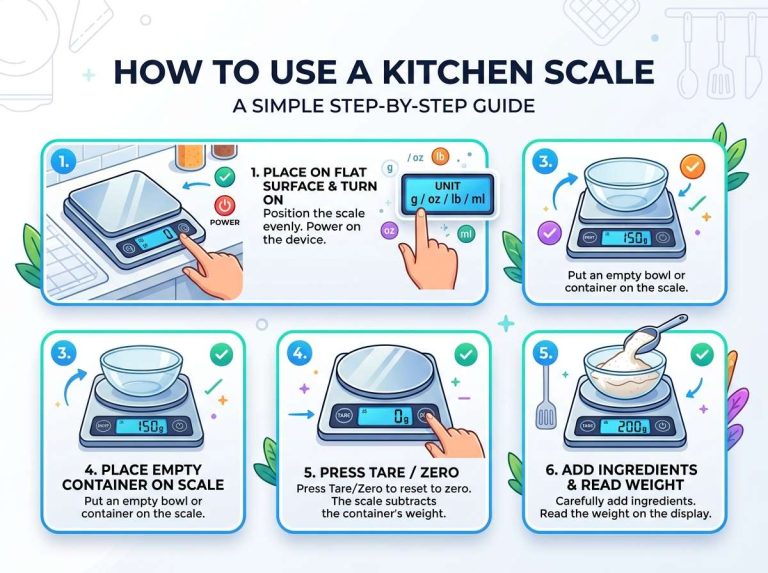
Digital scales are generally simpler to read at a glance. You just look at the number on the screen. No squinting, no lining up a needle with a mark. Plus, most digital scales come with a tare button, which lets you zero out the weight of a bowl or container before adding your ingredients. This saves time and avoids extra math.
Mechanical scales require a bit more attention. You need to make sure the needle sits at zero before you start, and you have to read the dial carefully to avoid mistakes. Some people find this process a little slow, especially in a busy kitchen.
That said, once you get used to a mechanical scale, using it becomes second nature. Many home bakers who grew up with these tools can read them just as fast as a digital screen.
Durability and Long-Term Use
Here is where mechanical scales pull ahead. Since they don’t rely on batteries or electronic parts, they tend to last a very long time. A well-made mechanical scale can survive drops, spills, and years of daily use without breaking down. There is no worry about a dead battery stopping you in the middle of a recipe.
Digital scales, while generally sturdy, do have electronic parts that can wear out or stop working over time. Water damage is also a bigger risk since these scales have circuit boards inside. If moisture gets into the sensors, the scale may give wrong readings or stop working completely.
If you want a tool that lasts for decades with almost zero maintenance, a mechanical scale is the safer bet. If you don’t mind replacing batteries now and then, a digital scale still offers great value.
Power Source and Convenience
This is a simple but important point. Mechanical scales never need power. You can use them anywhere, anytime, without worrying about charging or buying batteries. This makes them great for people who forget to check battery levels or who want a tool that is always ready.
Digital scales need power to work. Most use small batteries like AA or AAA, and some newer models use rechargeable batteries or a USB cord. This means you always need to keep an eye on battery life, especially if you use the scale often. Running out of battery in the middle of baking can be frustrating.
On the plus side, digital scales usually have low power consumption, so batteries can last for several months with regular use.
Design and Portability
Digital scales tend to have a slim, flat design that is easy to store. Many models fold flat or stack neatly in a drawer. Their light weight also makes them easy to carry around, which is handy if you like to bring your scale to a friend’s house or on a trip.
Mechanical scales are usually bulkier because of the internal gear system and the dial on top. They take up more counter space and are heavier to move around. But this bulk also gives them a strong, stable feel that some cooks prefer, especially when weighing heavier items like a big bowl of dough.
Price Comparison
Price can vary a lot depending on brand and features, but here is a general idea.
Mechanical scales are often more affordable at the basic level, since they use simple parts. A no-frills model does not cost much and gets the job done for everyday cooking.
Digital scales range from budget-friendly to high-end, depending on the features you want. A simple digital scale can be quite cheap, but the price and precision, connect to your phone through an app, will add functions and pushing the cost higher.
If you are on a tight budget and just want basic weighing, both types have low-cost options. If you want extra features like unit conversion or a nutrition tracker, digital scales usually offer more value for the price.
Extra Features
This is where digital scales truly stand out. Many digital models come loaded with helpful tools, such as:
- Tare function to zero out container weight
- Unit conversion between grams, ounces, pounds, and milliliters
- Auto shut-off to save battery
- Backlit screens for easy reading in low light
- Memory function to save previous measurements
- Nutrition calculation features on some advanced models
Mechanical scales, by nature, keep things basic. Most only show weight in one or two units, and there are no extra buttons or smart features. This simplicity can be a good thing if you just want a no-fuss tool, but it does limit what you can do compared to a digital version.
Which One Is Better for Beginners?
For someone just starting out in the kitchen, a digital scale is usually the easier pick. The clear number display removes any guesswork, and the tare function makes measuring ingredients simple. Beginners often make small mistakes with proportions, and a digital scale helps cut down on that risk.
That said, a basic mechanical scale is not hard to learn either. If you like the idea of a tool with no batteries and a classic feel, it can still work great for simple recipes and everyday cooking.
Which One Is Better for Bakers?
Baking is a science. Small changes in flour, sugar, or leavening agents can change the whole outcome of your bread or cake. Because of this, most professional bakers and serious home bakers lean toward digital scales. The precise gram readings help keep recipes consistent every single time.
A digital scale with a tare function also makes it much easier to measure multiple ingredients into the same bowl without needing extra dishes. This is a huge time-saver during a busy baking session.
Which One Is Better for Everyday Cooking?
If your cooking style is more relaxed, like tossing together soups, stir-fries, or casseroles, a mechanical scale can handle the job just fine. These meals usually don’t need pinpoint accuracy, so a rough weight reading works well.
Mechanical scales are also great for people who want a tool that never runs out of power and can handle heavy daily use without any fuss.
Maintenance and Cleaning
Digital scales need a bit of care when cleaning. Since they have a circuit board and sensors, you should avoid soaking them in water. A quick wipe with a damp cloth is usually the safest way to clean them.
Mechanical scales are more forgiving. Many models can handle a light rinse or a more thorough wipe-down without risking damage to any electronics, since there aren’t any inside.
Environmental Impact
This part often gets skipped, but it matters. Digital scales use batteries, which need to be replaced and disposed of properly over time. This adds a small environmental cost compared to mechanical scales, which run with zero power and produce no battery waste at all.
If sustainability is important to you, a mechanical scale has a slight edge in this area.
Common Myths About Kitchen Scales
There are a few myths floating around that are worth clearing up.
Myth: Mechanical scales are always less accurate. This isn’t fully true. A well-calibrated, high-quality mechanical scale can still give a fairly accurate reading for general cooking. It just won’t match the fine precision of a digital sensor.
Myth: Digital scales are fragile and break easily. Most digital scales today are built with solid materials and can handle daily kitchen use without any trouble. Just keep them away from heavy water exposure.
Myth: You need a fancy scale to cook well. A basic scale, either type, works perfectly fine for most home cooking needs. You don’t need to spend a lot of money to get good results.
Tips for Picking the Right Scale for Your Kitchen
Here are some quick tips to help you land on the best option for your needs:
- If you bake often, go for a digital scale with gram precision and a tare function.
- If you want a tool with zero maintenance and no batteries, a mechanical scale is a solid choice.
- Check the weight capacity before buying, since some scales max out around a few kilograms.
- Look for a scale with a clear, easy-to-read display, digital screen, or large dial.
- If counter space is tight, a slim digital scale with a foldable design saves room.
- If you cook heavy or bulky items often, a sturdy mechanical scale might handle the weight better.
- Always check reviews for accuracy before making a final purchase.
Final Thoughts
Both digital and mechanical kitchen scales get the same basic job done, but they suit different needs. A digital scale gives you sharp accuracy, handy extra features, and an easy-to-read screen, making it a strong pick for baking and detailed recipes. A mechanical scale offers long-lasting durability, zero battery worries, and a simple, sturdy design that works well for everyday cooking.
There is no single right answer here. It really comes down to your cooking style, your budget, and how much precision you need in your kitchen. If you bake often or follow recipes with tight measurements, lean toward digital. If you want something tough, low-maintenance, and always ready to go, a mechanical scale might be your best match.
Either way, adding a kitchen scale to your cooking routine is one of the easiest ways to improve your results and cut down on kitchen guesswork.
Frequently Asked Questions
Is a digital scale more accurate than a mechanical one? Yes, in most cases. Digital scales use electronic sensors that can measure very small weight changes, while mechanical scales rely on a needle and dial, which is less precise.
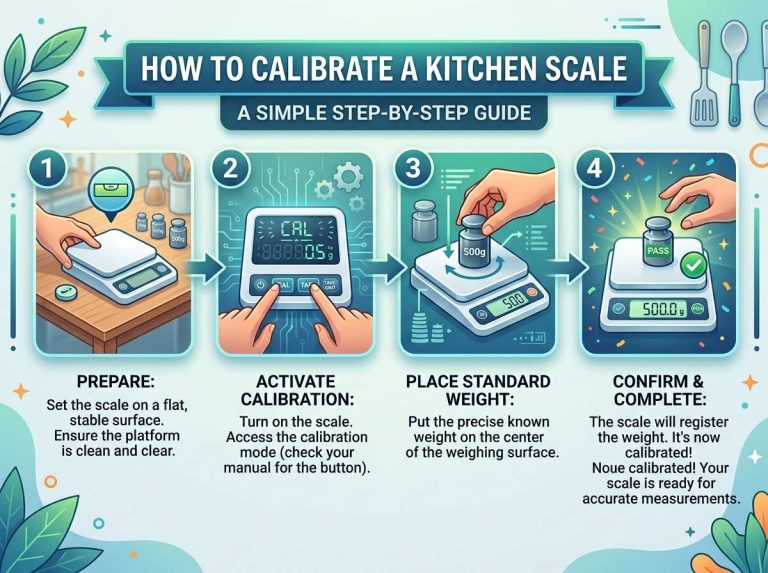
Do mechanical scales need calibration? Yes, over time, a mechanical scale may drift slightly and need calibration to stay accurate. This is usually a simple adjustment using a small screw or dial reset.
Can a digital scale work without batteries? Some digital scales can be powered through a USB cable, but most rely on batteries as their main power source.
Which scale is better for weight loss tracking? A digital scale is usually better for this purpose since it offers precise gram readings, which help with portion control and calorie tracking.
Are mechanical scales cheaper than digital scales? Basic mechanical scales tend to be cheaper at the entry level, but digital scales also offer affordable options, especially simple models without extra features.
How long do kitchen scales usually last? A well-made mechanical scale can last for many years since there are no electronic parts to wear out. Digital scales can also last a long time, but the battery and sensors may need occasional replacement or repair.

Mary is a home cooking enthusiast and kitchen gear reviewer with a passion for practical cookware and food preparation tools. She enjoys testing cutting boards, knives, kitchen gadgets, and other cooking essentials to help home chefs make smarter buying decisions. Through KitchenCutting.com, Mary shares honest product reviews, buying guides, and helpful kitchen tips to make cooking easier, safer, and more enjoyable.