How Long Do Kitchen Knives Last
Many beginners ask how long kitchen knives last before they need replacing. The answer depends on the knife, how it is used and how it is cared for. A well-made knife can serve for many years, while a neglected one may lose its usefulness much sooner.
This guide explains the main factors that affect blade life, along with simple daily habits, basic sharpening and warning signs of wear. You will learn what to look for and how to make your knives last longer.
Key Takeaways
- Blade material, build quality and how often you use a knife all shape its lifespan.
- Hand washing, drying right away and safe storage prevent most avoidable damage.
- Regular honing and occasional sharpening keep the edge working well.
- Cracks, deep rust and a loose handle are common signs a knife may need replacing.
Basic Idea of Knife Lifespan
Knife lifespan is the length of time a knife stays safe and useful for cutting. A knife does not wear out on a set date. It gradually loses its edge, picks up damage or develops problems that make it harder to use.
Most kitchen knives last for decades when looked after well. Neglected or misused knives can fail within a few years.
What Affects Blade Life
The steel, the way the knife is made, how often it is used and how it is handled all play a part. Small habits often matter more than the price tag. A modest knife cared for properly can outlast an expensive one that is tossed in a drawer and put in the dishwasher.
How Care Extends Use
Good care slows the normal wear every blade experiences. Cleaning, drying, storing and gentle sharpening all add years of service. Care is the part of knife lifespan you control most.
What Affects How Long a Kitchen Knife Lasts
A knife’s lifespan depends on its design, its materials and how you use it. Looking at these factors together gives a fair picture of what to expect.
Blade Material and Steel Type
Steel is the metal that forms the blade. Harder steels often keep a sharp edge longer but can chip if dropped or twisted. Stainless steel resists rust well, while carbon steel can be very sharp but needs more care.
Build Quality and Full Tang Construction
The tang is the part of the blade that extends into the handle. A full tang runs the entire length of the handle, which usually makes the knife sturdier and less likely to loosen. Check how well the handle is attached.
How Often the Knife Is Used
A knife used daily wears faster than one used occasionally. Frequent use dulls the edge sooner and raises the chance of small chips. This is normal and does not mean the knife is poor quality.
Cutting Surfaces and Edge Wear
The surface beneath the knife affects the edge. Hard surfaces such as glass, stone or metal can quickly damage a blade. Wood, plastic and composite boards are gentler and help the edge last longer.
Daily Care Habits That Make Knives Last Longer
Most knife damage comes from everyday habits rather than rare accidents. Building these simple habits into your routine can add years to a knife’s useful life.
Hand Washing and Drying Right Away
Wash knives by hand with warm water, mild soap and a soft sponge. Dry them right away with a clean towel, since a wet blade can develop rust spots, especially on carbon steel.
Wash the blade away from your fingers, with the edge facing away from you.
Storing Knives Safely in Blocks, Magnetic Strips or Sheaths
Store knives in a wooden block, on a magnetic strip or in protective sheaths. These options keep the edge from knocking against other metal. A loose drawer of utensils is a common cause of chipped blades.
A magnetic strip leaves the blade exposed, so dry the knife fully before placing it there.
Using Wood, Plastic or Composite Cutting Boards
Wood, plastic or composite cutting boards give slightly under the blade and help preserve the edge. Keep the board clean and dry, and avoid boards with deep grooves that trap food.
Avoiding the Dishwasher and Heat Damage
Dishwashers are hard on knives. High heat, strong detergent and jostling against other dishes can dull the edge, discolor the blade and loosen the handle. Hand washing is the safer choice for almost every kitchen knife.
Heat can also harm the handle, so keep knives away from open flames and hot oven surfaces.
How to Keep the Edge Sharp for Longer
A sharp knife is safer and easier to use than a dull one. Regular honing and occasional sharpening keep the edge working well, and each method does a different job.
Honing With a Steel Rod
Honing realigns the thin edge of the blade without removing much metal. A honing steel is a long rod used to straighten the edge between sharpenings. Many cooks hone their knives before each use or every few uses.
Hold the steel steady and draw the blade across it at a small, consistent angle. Honing does not sharpen a very dull knife, but it keeps a good edge in good shape.
Sharpening With Whetstones and Other Tools
Sharpening removes a small amount of metal to create a new, fine edge. Whetstones, which are flat stones soaked in water or oil, are a common tool for this.
Pull-through and electric sharpeners are faster but can remove more metal than necessary. A beginner may prefer a whetstone or a professional service, and sharpening less often is better for the knife’s long-term life.
Signs a Knife Needs Sharpening
A knife that slips off tomatoes or crushes herbs instead of slicing them is likely dull. You may also need more force than usual to cut. A rounded edge or visible shine on the blade in good light is another clue.
When a Kitchen Knife Needs Replacing
Sharpening can restore most knives, but some damage cannot be fixed. Knowing the warning signs helps you decide if to repair a knife or buy a new one.
Cracks, Chips and Loose Handles
Deep cracks or large chips weaken the blade and can cause it to break during use. A loose handle is also a safety concern, since the blade may shift as you cut. These problems often justify replacement.
Rust, pitting and Blade Thinning
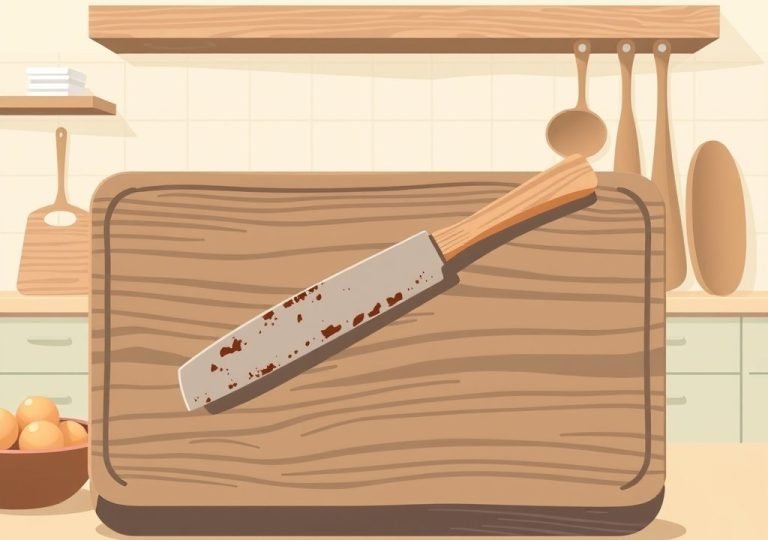
Light surface rust can often be scrubbed away with a gentle abrasive. Deep pits, however, weaken the steel, and pitting across the blade is hard to reverse. Blade thinning after many sharpenings can leave the edge narrow and less clean in its cuts.
Repair or Replacement Makes Sense
A knife professional may be able to fix minor damage such as a small chip or a loose handle. Repair is worth considering for a knife you value. For an inexpensive knife with serious damage, replacement is usually simpler.
Lifespan Comparison Across Common Knife Types
Different knives face different demands in the kitchen, so their likely lifespan depends on how they are used. The comparisons below give a general sense of what to expect.
Chef’s Knives Versus Paring Knives
A chef’s knife handles most daily tasks, from chopping to slicing. It sees heavy use and needs regular honing, but with good care it can serve for many years.
A paring knife is small and used for detailed work like peeling. Its thin blade can still chip if used to pry or cut hard foods.
Serrated Bread Knives and Their Long Service Life
Serrated knives grip bread and crusty foods without crushing the loaf. Because the teeth do most of the work, these knives often stay useful for a long time.
Serrated edges are harder to sharpen at home. Many people send them to a professional or replace them once the teeth wear down.
Budget Knives Versus Premium Knives
Budget knives can serve well for everyday cooking, but they often use softer steel and may dull faster. Premium knives usually hold an edge longer and tend to be better built.
Price is not the only factor, though. A carefully used budget knife can outlast a neglected expensive one.
Frequently Asked Questions
How many years does a typical kitchen knife last?
A typical kitchen knife can last many years, and some last for decades. Steel, build quality, frequency of use and care all affect how long it lasts. Good habits usually make the biggest difference.
Does a more expensive knife always last longer?
Not always. Higher-priced knives often use better steel and construction, which helps them hold an edge. A well-cared-for mid-priced knife can still outlast a poorly treated expensive one.
Can a dull knife be restored instead of replaced?
In most cases, yes. Honing and sharpening can restore a dull knife that is not badly damaged. Deep chips, cracks or heavy pitting usually cannot be fully fixed.
Is it safe to put kitchen knives in the dishwasher?
Dishwashers are generally not recommended. Heat, harsh detergent and contact with other dishes can dull the blade and loosen the handle. Hand washing and drying right away is safer.
How can I tell if a knife is worth keeping?
A knife is worth keeping if it still cuts cleanly after sharpening and has no deep cracks or loose parts. Check the blade for thinning and the handle for stability. If it performs well and feels safe, it is likely worth keeping.
Conclusion
Kitchen knives can last for years when they are well made and properly cared for. Steel type, build quality, frequency of use and cutting surfaces all shape how long a blade stays useful. Simple habits such as hand washing, safe storage and regular honing make a real difference.
Watch for cracks, deep rust and a loose handle. Minor damage may only need sharpening or repair. Otherwise, replacing a worn knife is a sensible step for safe cooking.

Mary is a home cooking enthusiast and kitchen gear reviewer with a passion for practical cookware and food preparation tools. She enjoys testing cutting boards, knives, kitchen gadgets, and other cooking essentials to help home chefs make smarter buying decisions. Through KitchenCutting.com, Mary shares honest product reviews, buying guides, and helpful kitchen tips to make cooking easier, safer, and more enjoyable.