Western Vs Japanese Knife Styles
Western and Japanese knife styles are two of the most common approaches to kitchen knives. They differ in blade shape, steel, edge grind and handle feel. Knowing these differences can help you find a knife that fits how you cook.
This guide explains each style in plain words. It covers the basic build, steel and edge, handles and balance, common knife types, care tips and common beginner mistakes. A short FAQ at the end answers common questions.
Key Takeaways
- Western knives are usually heavier, with thicker blades and a double-bevel edge that suits many general tasks.
- Japanese knives are often lighter and harder, with a thinner, sharper edge that needs more careful handling.
- Western steel is generally tougher and more forgiving, while Japanese steel holds a sharper edge but can chip more easily.
- Your cooking habits, budget and willingness to care for a knife matter more than tradition when you pick a style.
What Are Western and Japanese Knife Styles?
A knife style is a group of design choices, including blade shape, steel type, edge angle and handle design. Each style shapes how the knife feels and performs.
Where the Two Styles Come From
Western knives developed in Europe and North America for heavy and general kitchen work, such as breaking down meat. Japanese knives developed with a focus on precise cuts, fine slicing and thin, sharp edges.
The Basic Shape and Build of a Western Knife
A typical Western knife has a thick, curved blade. The curve, called the belly, lets you rock the blade on the cutting board. Most Western knives have a full tang, meaning the steel runs through the whole handle.
The Basic Shape and Build of a Japanese Knife
A typical Japanese knife has a thinner, flatter blade with a straighter edge. The cook slices more by pulling or pushing than by rocking. Many use a hard steel core clad in softer steel, and the handle is often lighter.
How Western and Japanese Knives Differ in Steel and Edge
The steel and edge are where the two styles differ most. Both affect how sharp a knife is, how long it stays sharp, and how easily it can be damaged.
Blade Steel: Hardness, Toughness and Maintenance
Hardness describes how well steel holds an edge. Toughness describes how well it resists chipping or cracking. Most steels trade one for the other.
Western knives often use steel that is slightly softer but tougher. They are more forgiving if they hit a bone or hard surface, and they are generally easier to maintain.
Japanese knives often use harder steel. It holds a finer edge longer, but the blade can chip if misused, and many of these steels need more care to prevent rust.
Edge Angle and What It Means for Sharpness
Edge angle is the angle at which the blade is sharpened, measured on each side of the edge. A smaller angle creates a thinner, sharper edge that cuts with less resistance.
Japanese knives usually have a smaller edge angle than Western knives, which is one reason they feel very sharp out of the box. Western knives use a wider angle, giving the edge more support and making it less likely to roll or chip.
Single-Bevel Versus Double-Bevel Edges
A bevel is the sloped surface ground into the blade to form the edge. A double-bevel edge is sharpened on both sides, the common design for Western knives, and it is generally easier for beginners to sharpen and use.
Traditional Japanese knives often use a single-bevel edge, ground on one side only. These produce very fine slices but tend to pull toward the ground side, so they suit experienced users more. Double-bevel Japanese knives are also widely sold and practical for many people.
Handles, Weight and Balance
The handle and weight shape how a knife feels in use. Two knives with the same blade can feel very different in the hand.
Western Handles and Full-Tang Construction
Western handles are usually larger and rounded, often made of synthetic material or wood and riveted to a full tang. This design feels sturdy and gives a secure grip for long tasks.
Because the handle is heavy and the blade is thick, the balance often sits near the bolster, the thick junction between blade and handle. Many cooks find this helpful for controlled chopping.
Japanese Handles and Lighter Balance
Japanese handles are often smaller and lighter. A wa handle is typically wooden and may be round or octagonal. Many Japanese knives have a partial tang, which lightens the knife overall.
Japanese knives often balance further forward, toward the blade. This can feel nimble for fine work such as slicing fish or thin vegetables.
How Weight Affects Comfort and Control
A heavier knife can make chopping easier, because gravity does more of the work. A lighter knife can feel quicker and less tiring during long stretches of precise cutting. Neither is better in every case.
The right weight depends on your hand size, your grip and the tasks you do most. Holding a knife in a shop, if possible, helps you judge how it feels.
Common Knife Types in Each Style
Each style includes several common knife types. Knowing the main ones helps you see which knife does which job.
Western Chef’s Knife and Its Everyday Uses
The Western chef’s knife is the most common general-purpose knife in many kitchens. It handles chopping, slicing, mincing and breaking down larger ingredients. Its curved blade suits rocking motions.
For many beginners, it is a sensible first choice because it covers a wide range of tasks.
Japanese Gyuto and Santoku Knives
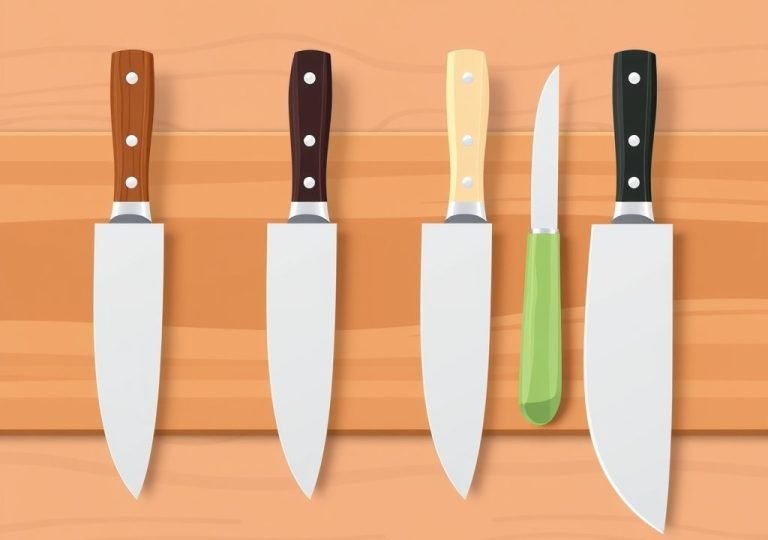
The gyuto is the Japanese counterpart to the chef’s knife. It has a longer, thinner blade and a straighter edge, and it works well for slicing, chopping and general prep.
The santoku is a shorter, flatter knife often used for vegetables, meat and fish. Many cooks find its size comfortable for everyday tasks.
Other Japanese Knives Beginners Often Meet
The nakiri is a rectangular knife made mainly for vegetables. The yanagiba is a long, thin knife used for slicing raw fish and is more specialized. Paring knives, called petty knives in Japanese kitchens, handle small, detailed jobs.
You do not need all of these knives to cook well. One or two general knives are usually enough to start.
Which Style Suits Your Cooking Habits?
The best style depends on how you cook, including your technique, the foods you prepare and your kitchen habits.
Cutting Techniques for Western Knives
Western knives suit a rocking motion. The cook keeps the tip on the board and lifts and lowers the heel of the blade. This works well for rough chopping, herbs and general prep.
Cutting Techniques for Japanese Knives
Japanese knives often suit a pulling or push-cut motion. The cook draws the blade through the food in one smooth stroke, which suits thin slices and delicate ingredients.
Matching Style to Your Kitchen Tasks
If you cook hearty meals and do a lot of chopping, a Western knife may feel more natural. If you prepare many vegetables or fine slices, a Japanese knife may suit you better. Many home cooks keep one of each.
Tips for Caring for Western and Japanese Knives
Good care keeps any knife sharp and safe. The basics are similar for both styles, but a few details differ.
Sharpening Basics for Each Style
Sharpening restores the edge by removing a small amount of steel. Western knives are usually more forgiving to sharpen at home. Japanese knives, especially harder steels, often need a whetstone and some practice.
Many people start by having a professional sharpen their knives. This helps them learn the correct angle.
Storage, Cleaning and Avoiding Damage
Wash knives by hand with warm water and mild soap, then dry them right away. Avoid the dishwasher, since heat and water can damage the handle and edge. Store knives on a magnetic strip, in a block or in a sheath.
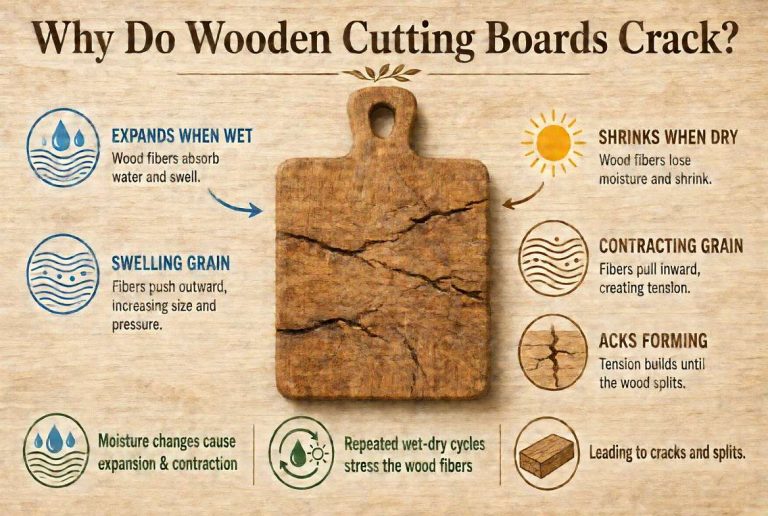
Use a wooden or plastic cutting board. Glass, stone and ceramic boards can dull or chip the edge quickly.
How Often to Hone and Sharpen
Honing realigns the edge between sharpenings. Many cooks hone often with a honing rod, sometimes before each use. Sharpening is needed less often and depends on how much you use the knife.
Signs that a knife needs sharpening include slipping on tomato skins or crushing rather than slicing.
Common Beginner Mistakes to Avoid
Beginners often make a few predictable mistakes. Avoiding them saves money and protects the knife.
Buying Based Only on Looks or Price
A knife can look striking or cost a lot and still not suit your hand or your tasks. Price does not always reflect fit. Judge weight, handle comfort and the job you need it for.
Using the Wrong Cutting Board or Technique
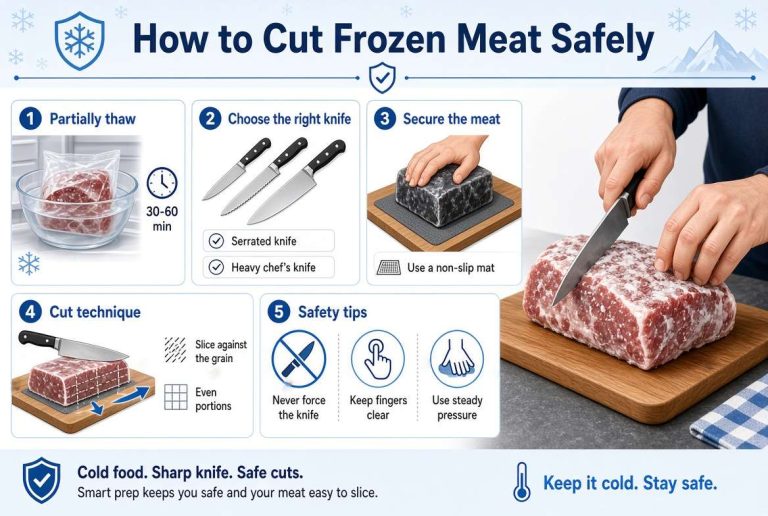
Hard surfaces and twisting motions can damage an edge quickly. A proper board and controlled technique protect the blade. Cutting frozen food or bones with a delicate knife can cause chips.
Frequently Asked Questions
Is a Japanese knife better than a Western knife?
Neither style is better in every case. Japanese knives often feel sharper and suit fine slicing, while Western knives are often tougher and more forgiving. The right choice depends on your cooking habits.
Are Japanese knives harder to maintain?
Many Japanese knives use harder steel that can chip and rust if handled poorly. They usually need more careful washing, drying and sharpening. With good habits, most home cooks can manage them.
Can I use a Japanese knife for all kitchen tasks?
Many Japanese knives handle a wide range of tasks, but some suit specific jobs better. Heavy chopping or bone work may call for a sturdier Western knife.
Do I need separate knives for each style?
You do not need separate knives for each style. Many people use one general knife and add others as their needs grow.
Which style is better for a beginner cook?
A Western chef’s knife is often a practical starting point because it is forgiving and easy to sharpen. Beginners can add a Japanese knife later if they want finer slicing.
Conclusion
Western and Japanese knife styles differ in blade shape, steel, edge angle, handle and balance. Western knives are usually heavier, tougher and easier to sharpen at home. Japanese knives are often lighter and sharper, but they need more careful handling.
Your cooking habits matter more than tradition. Consider the tasks you do most, how much care you are ready to give a knife, and how it feels in your hand. One solid general knife is a sound place to start.

Mary is a home cooking enthusiast and kitchen gear reviewer with a passion for practical cookware and food preparation tools. She enjoys testing cutting boards, knives, kitchen gadgets, and other cooking essentials to help home chefs make smarter buying decisions. Through KitchenCutting.com, Mary shares honest product reviews, buying guides, and helpful kitchen tips to make cooking easier, safer, and more enjoyable.