
How To Choose The Right Chef Knife
Picking the right chef knife can feel confusing at first. Shops show many blade shapes, steel types and price levels, and the terms often sound technical. This guide explains how to pick a chef knife step by step, in plain words.
You will learn what a chef knife is, how its main parts work, and which features matter most for everyday cooking. You will also see how to match a knife to your hands, budget and habits.
Key Takeaways
- A chef knife is a general-purpose kitchen knife, so it suits most daily chopping tasks.
- Blade length, handle comfort and balance affect how the knife feels more than most specs do.
- Steel type changes how long the edge stays sharp and how much care it needs.
- Pick a knife you can hold and use comfortably, not just the one with the longest blade.
- Plan for sharpening and storage from the start, because both keep any chef knife working well.
What a Chef Knife Is and Why It Matters
A chef knife is a wide, all-purpose kitchen knife with a curved edge. It handles vegetables, meat and herbs, so many people treat it as their main kitchen knife.
Because it covers so many tasks, it is often the first knife a cook should own. A good one speeds up prep work and needs less force than a dull or poorly fitted knife.
The Main Parts of a Chef Knife
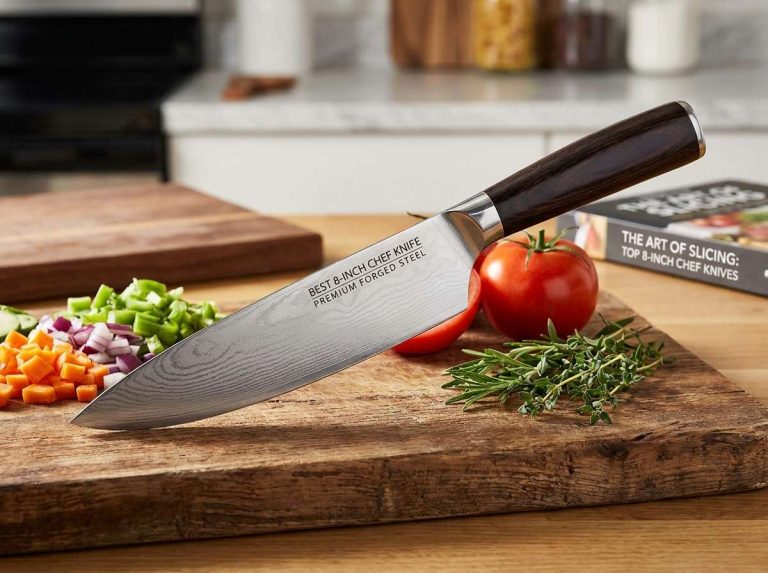
The blade is the cutting part, and its edge is the sharpened line along the bottom. The spine is the thick top edge that gives the blade strength. The heel is the wide rear part near the handle, often used for tougher cuts.
The tip is the pointed front, useful for small, precise work. The bolster is the thick junction between blade and handle on some knives. The handle holds everything together and sits in your palm.
Why a Good Chef Knife Makes Everyday Cooking Easier
A sharp, well-balanced knife glides through food. You use less pressure, which gives cleaner cuts and less strain on your wrist.
A knife only helps if it fits your hand and stays sharp. Those two factors matter more than brand names.
Know the Basic Types of Chef Knives
Chef knives come in a few main styles, each with its own shape, steel and feel. Knowing the basic types helps you narrow your search.
Western Style Versus Japanese Style Blades
Western style chef knives have a thicker blade and a more curved edge, and many are made to rock on a cutting board. They are often sturdy and forgiving, which suits beginners.
Japanese style chef knives are thinner and lighter, with a flatter edge. They cut very cleanly but need more care, and they can chip on bones or hard foods.
Stainless Steel, Carbon Steel and Ceramic Blades
Stainless steel resists rust and stains, so it is a common choice for home kitchens and needs less daily care. Carbon steel takes a very sharp edge but may rust or discolor if left wet.
Ceramic blades stay sharp for a long time but can break if dropped or used on hard items. Each material trades off strength, sharpness and care, so consider how you will use and maintain the knife.
Full Tang Versus Partial Tang Construction
Tang is the part of the blade that extends into the handle. A full tang runs the whole length of the handle, which usually adds balance and strength. A partial tang reaches only part of the way, and it is generally less sturdy, though it can still work well.
Blade Length and Size: Finding the Right Fit
Blade length is the distance from the tip to the heel. It affects how much food you can cut in one pass and how the knife feels in your hand.
Common Blade Lengths for Home Cooks
Many home cooks choose a middle-range chef knife, since it handles most tasks well. Shorter blades offer more control on small items, while longer blades cover more ground on large vegetables.
A shorter knife may suit a small cutting board or precise work. A longer knife may suit a large board and frequent batch cooking. The best length is the one that feels natural in your hand.
How Handle Feel and Hand Size Affect Comfort
The handle should fill your palm without pinching your fingers. A handle that is too small can make your grip tense, while one that is too large can feel clumsy.
A relaxed grip gives you more control. If the handle feels sore after a few minutes of chopping, it may not suit you, so try different shapes if you can.
Weight and Balance in Daily Use
Balance describes where the knife feels heaviest. A well-balanced knife rests comfortably where the blade meets the handle, while a heavy tip can tire your wrist during long prep sessions.
Weight is a matter of preference. Some cooks like a heavier knife that does more of the work, while others prefer a lighter one for speed. Holding a knife before buying is the simplest way to judge both.
Steel Quality, Hardness and Edge Retention
Steel forms the blade, and its quality affects how sharp a knife gets and how long it stays that way. Hardness and edge retention are two terms you will often see in product descriptions.
What Edge Retention Means for Sharpening Needs
Edge retention is how long a blade keeps its sharp edge during use. Harder steels often hold an edge longer but can be harder to sharpen. Softer steels dull sooner but are usually easier to restore.
Every knife dulls over time, so plan to sharpen it regularly, whatever the steel.
Maintenance Basics for Different Steel Types
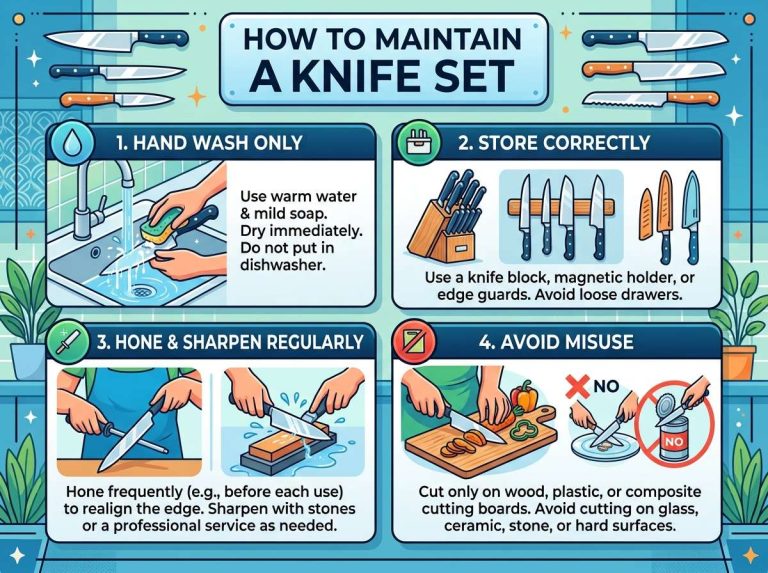
Stainless steel usually needs only regular washing, drying and occasional sharpening. Carbon steel needs prompt drying and a light oil coat to prevent rust. Ceramic blades need gentle handling and careful storage to avoid chips.
Your steel choice should match your routine. If you dislike extra care, stainless steel may suit you better. If you enjoy hands-on upkeep, carbon steel may be worth considering.
Handle Materials, Grip and Ergonomics
The handle affects comfort, grip and safety. Ergonomics is the study of how a tool fits the human body, and a well-shaped handle reduces strain during long tasks.
Common Handle Materials Explained
Wood handles feel warm and natural but need care to avoid cracking from water. Synthetic handles, often made from resin or polymer, resist moisture and are easy to clean.
Each material has trade-offs in feel, weight and upkeep. Consider how often the knife will be washed and how much grip you need when your hands are wet or greasy.
Testing Grip Comfort Before You Buy
If possible, hold the knife in a store and mimic a chopping motion. Check if the handle presses on your palm or rubs your fingers, and note how the weight sits in your hand.
Also, try the pinch grip, where your thumb and forefinger rest on the blade near the bolster. Not every knife supports this grip well. A comfortable grip should feel steady, not tense.
Budget, Price Ranges and Value for Money
Price affects materials, finishing and build quality. A higher price does not always mean a better fit for your needs. Value comes from matching quality to how you cook.
What You Can Expect at Different Price Levels
Lower-priced knives often use simpler steel and handles. They can still cut well when kept sharp. Mid-range knives usually offer better steel, more even grinding and a more comfortable handle.
Higher-priced knives may use specialized steels and skilled finishing. The difference may be small for everyday tasks, so compare features rather than numbers alone.
Where to Spend More and Where to Save
Spending more on the knife itself often makes sense. Steel, balance, fit and comfort shape how it performs every day.
You can save on accessories you may not need. A fancy knife block or case adds cost without changing how the blade cuts. A basic sharpener or honing rod may be enough to start.
Step-by-Step Guide to Picking Your First Chef Knife
A simple process keeps the search manageable. Work through these steps in order, since each one narrows your choices.
Decide What You Cook Most Often
Think about the foods you prepare most. Heavy vegetable prep, meat cutting and herb chopping may each suggest a slightly different knife.
Set a Realistic Budget and Narrow the Options
Choose a price range you can comfortably afford. Then compare a few knives within it, looking at steel, length and handle type.
Check Feel, Balance and Fit in Person
Hold each candidate and make a few cutting motions if you can. Check that the balance feels stable and the handle feels natural, even if it is not the most expensive option.
Plan Basic Care and Sharpening From Day One
Decide how you will sharpen the knife before you buy it. Options include a whetstone, a pull-through sharpener or a sharpening service. Store the knife safely on a magnetic strip, in a block or in a sheath.
Common Beginner Mistakes to Avoid
Many new buyers make predictable errors. Knowing them in advance can save money and frustration.
Buying the Longest Blade Without Trying It
A long blade can look impressive but may feel awkward on a small board. Length alone does not make a knife more useful. Always test the feel before you decide.
Ignoring Sharpening and Storage Needs
Some buyers focus on the knife and forget about upkeep. A dull knife is harder to control and can slip. Store the blade so the edge stays protected.
Frequently Asked Questions
What is the best length for a beginner chef knife?
Many beginners find a middle length easiest, since it handles most tasks. The right length depends on your board and hand size. Trying a few options is the best way to decide.
Is a Japanese or Western chef knife better for beginners?
Western style knives are often sturdier and more forgiving. Japanese style knives can cut very cleanly but may need more care. Neither suits everyone, so consider your habits.
Do I need an expensive chef knife to cook well?
No, a moderately priced knife with good steel and a comfortable handle can work well. Price does not guarantee a better fit. Focus on feel, balance and how easily you can keep it sharp.
How often should I sharpen my chef knife?
There is no fixed schedule, since use and steel type both matter. Many cooks sharpen when the knife starts to slip on tomatoes. Honing with a rod between sessions helps keep the edge aligned.
Is a ceramic chef knife a good choice for home cooks?
A ceramic chef knife stays sharp for a long time and resists staining. It can chip or break if dropped or used on hard foods. Many cooks prefer steel for general use and keep ceramic for light tasks.
Conclusion
The right chef knife comes down to fit, steel, balance and care. Start with the foods you cook most and set a realistic budget. Then hold a few options and pick the one that feels natural.
A good knife is only as useful as the care it gets. Plan for sharpening and storage from the start. With these basics, you can choose a knife that serves you well for years.

Mary is a home cooking enthusiast and kitchen gear reviewer with a passion for practical cookware and food preparation tools. She enjoys testing cutting boards, knives, kitchen gadgets, and other cooking essentials to help home chefs make smarter buying decisions. Through KitchenCutting.com, Mary shares honest product reviews, buying guides, and helpful kitchen tips to make cooking easier, safer, and more enjoyable.


2 Comments