
Common Kitchen Knife Mistakes
Many people use kitchen knives every day without thinking about how they are handled. Small habits, like cutting on the wrong surface or tossing knives into a drawer, can slowly damage a blade and make cooking less safe. Learning about common kitchen knife mistakes is one of the simplest ways to get better results in the kitchen.
This article explains the most frequent beginner errors and why they matter. It also offers plain, practical steps to fix each one. No special tools or expert skills are needed to start.
Key Takeaways
- A dull knife is more dangerous and less effective than a sharp one.
- Glass and stone surfaces can chip and dull a blade quickly.
- A secure grip and careful storage protect both your fingers and your knives.
- Dishwashers and harsh detergents usually shorten the life of a good knife.
- Using the right knife for each task makes cutting easier and safer.
Why Common Kitchen Knife Mistakes Matter
How Mistakes Affect Safety and Results
A poorly cared-for knife does more than wear out. A dull blade needs more force, and more force makes it easier for the knife to slip. Slips are a common cause of kitchen cuts.
Poor habits also affect the food itself. A dull blade can crush tomatoes instead of slicing them, bruise herbs, and tear bread. Good care protects both your hands and your meals.
Why Beginners Make These Errors
Most beginners are not careless. They simply have not been shown the right methods, and knives are often sold without instructions.
Many habits come from convenience. Putting a knife in the dishwasher saves time, and tossing it in a drawer seems harmless. These shortcuts add up over time.
Mistake One: Using a Dull Knife
How to Tell When a Knife Needs Sharpening
A dull knife often slides over the skin of a tomato instead of cutting in. It may also tear herbs or squash soft foods.
Another sign is extra pressure. If you have to press hard or saw back and forth, the edge is likely worn.
Honing Versus Sharpening Explained
Honing and sharpening are not the same thing. Honing uses a steel rod to realign an edge that has bent slightly from use. It is a quick step you can do often.
Sharpening removes a small amount of metal to create a fresh edge. It is needed less often, and a honing rod cannot fully restore a very dull knife.
Simple Ways to Keep an Edge Longer
Regular honing keeps the edge straight between sharpening sessions. Hanging knives on a magnetic strip also stops them from knocking against other metal objects.
Some people sharpen when cutting starts to feel harder, rather than on a set schedule. Either approach works if the knife stays in good shape.
Mistake Two: Cutting on the Wrong Surface
Why Glass and Stone Boards Damage Edges
Glass and stone are very hard. When a knife edge meets these surfaces, the thin edge can chip or roll, and that damage is often hard to fix at home.
Ceramic and marble boards carry the same risk. Even one careless cut can leave a dull spot, so these surfaces work better for serving than for chopping.
Softer boards give the edge more room to hold its shape, which is a simple way to protect the blade.
Picking a Safe Cutting Board Material
Wood and plastic are the most common choices for everyday cutting. Both are gentler on the edge than glass or stone, and each has its own care needs.
Wooden boards, especially hardwood, are often considered kind to knives. They can be heavy and need occasional oiling. Plastic boards are lighter and easier to clean in a dishwasher, though many people prefer hand washing to reduce wear.
Caring for Wooden and Plastic Boards
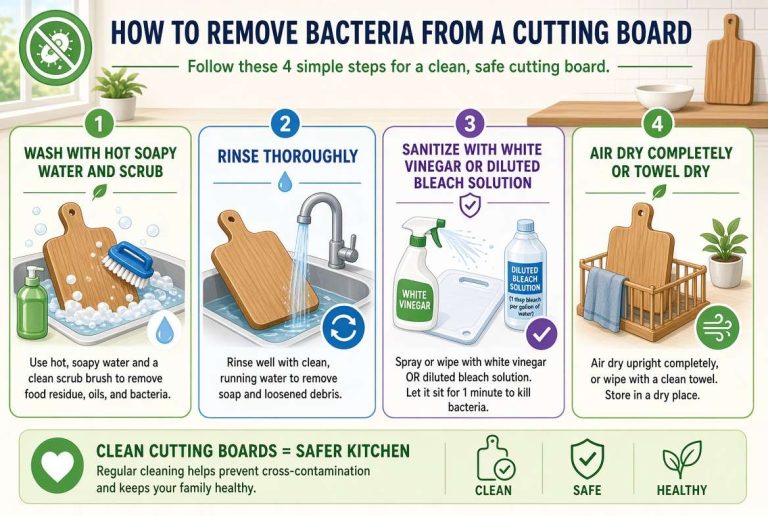
Wash boards with warm water and mild soap after each use, then dry them well, since standing water can warp wood. Keep wooden boards away from long soaks.
Replace plastic boards once deep grooves appear. Grooves can trap food and bacteria, and they can also catch the knife edge.
Mistake Three: Holding the Knife the Wrong Way
The Pinch Grip and Why It Helps
The pinch grip holds the blade where it meets the handle, with the thumb and index finger on either side. This position gives more control and balance, and it reduces strain on the wrist.
Many beginners hold a knife only by the handle, with loose fingers. This makes the blade wobble and can cause the knife to twist during a cut.
Keeping Fingers Safe With the Claw Grip
The claw grip protects the fingers holding the food. Curl the fingertips inward and keep the knuckles forward, so the blade can rest against them as a guide.
This method keeps fingertips away from the edge. Practice it slowly before increasing speed.
Using the Full Length of the Blade
Many beginners use only the tip of the knife, which takes extra effort. Instead, use the full length of the blade with a smooth rocking or sliding motion, starting near the handle and moving toward the tip.
This spreads the work across the edge, so cuts become cleaner and need less pressure. Slow, even strokes are safer than fast, forceful ones.
Mistake Four: Storing Knives Carelessly
Risks of Loose Knives in a Drawer
Tossing knives into a drawer with other utensils is a common habit. The blades can knock against spoons and metal tools, which can chip or dull the edge.
Loose knives also pose a risk to the hand. Reaching into a crowded drawer can cause an accidental cut. A safer method protects both the knife and the person using it.
Magnetic Strips, Blocks and Sheaths Compared
A magnetic strip mounts on a wall and holds knives by their spines. It keeps blades visible and off the counter, and works best with dry knives and the strip placed out of children’s reach.
A knife block keeps each blade in its own slot, which protects the edges when the block stays clean. Blade sheaths, also called covers, wrap the edge and suit travel or drawer storage. Each option has trade-offs in space, cost and convenience.
Keeping Blades Dry After Washing
Water left on a blade can cause rust, especially on carbon steel. Dry each knife right away with a clean towel, wiping from the spine toward the edge.
Store knives only once they are fully dry. Trapped moisture in a block or sheath can lead to spots and staining. This simple habit makes a large difference over time.
Mistake Five: Putting Good Knives in the Dishwasher
How Heat and Detergent Dull and Damage Blades
Dishwashers use hot water and strong detergents. These can wear down a blade’s finish and dull the edge over time. Handles may also crack, loosen or fade.
Knives can also bang against other dishes during the cycle, and their edges may chip. Even if a knife looks fine after one wash, repeated cycles add up.
Hand Washing Steps for Everyday Care
Hand washing is the gentler option for most good knives. Use warm water and a small amount of mild dish soap, and wash the blade with a soft sponge, working away from the edge.
Rinse the knife and dry it at once with a towel. Never leave it soaking in the sink.
Signs of Rust and How to Remove It
Small brown or gray spots on a blade usually mean rust. It often forms when knives stay wet or sit in a damp sink. Carbon steel is more prone to it than many stainless blades, though stainless steel can also stain.
For light spots, a gentle scrub with a soft cloth and a little baking soda can help. Rinse and dry the blade well afterward. Deep rust may need professional sharpening or repair, so catching it early is best.
Mistake Six: Using the Wrong Knife for the Task
A Quick Guide to Chef’s, Paring and Serrated Knives
A chef’s knife is a general-purpose tool for chopping, slicing and dicing. A paring knife is small and suits peeling and detailed work. A serrated knife has a wavy edge that grips soft or crusty foods.
Using the right blade makes each task easier and safer. A paring knife is awkward for a large onion, and a chef’s knife can be clumsy on a small piece of fruit.
When a Bread Knife Is the Right Tool
A bread knife is built for crusty loaves. Its serrated teeth cut through the crust without crushing the soft inside. Long, gentle sawing strokes work best.
A bread knife can also handle tomatoes and citrus, since its teeth grip the skin. Matching the blade to the food keeps results clean.
Beginner Tips for Building Better Knife Habits
A Simple Weekly Knife Care Routine
A short weekly routine prevents most problems. Hone the edge once or twice a week, depending on use. Check the blades for chips, loose handles or rust.
Clean and dry knives after each use, and store them safely. Consistency matters more than effort.
Practicing Safe Cutting Motions at Home
Start slowly with simple vegetables, such as carrots or onions. Focus on the claw grip and smooth, even strokes. Speed will come with practice.
Keep the cutting area clear and the board steady. A damp towel under the board can stop it from sliding.
Frequently Asked Questions
How often should I sharpen my kitchen knives?
Most home cooks sharpen knives every few months, though this depends on how often they are used. Honing can be done more often. Sharpen when the knife no longer cuts cleanly.
Is a honing rod the same as a sharpener?
No. A honing rod realigns a slightly bent edge but does not remove metal. A sharpener creates a new edge by removing a small amount of steel.
Can I use a plastic cutting board with any knife?
Plastic boards work with most kitchen knives and are gentler than glass or stone. Choose a firm, undamaged board, and replace it once deep grooves appear.
Why does my knife feel dull even after washing it?
Washing removes food but does not sharpen a blade. The edge may have worn or rolled over time. Honing or sharpening usually restores the cutting feel.
Are expensive knives worth it for a beginner?
Price does not always reflect how well a knife performs. Good care matters more than cost for most home cooks. A well-cared-for mid-range knife can often outperform a neglected expensive one.
Conclusion
Most common kitchen knife mistakes come from small, everyday habits. Using a dull blade, cutting on glass or stone, and holding the knife poorly all raise the risk of accidents. Careless storage and dishwasher use also shorten a knife’s life.
The fixes are simple. Hone regularly, choose a gentle cutting board, use a safe grip, store knives dry and wash them by hand. With these habits, cooking becomes safer, cleaner and more enjoyable.

Mary is a home cooking enthusiast and kitchen gear reviewer with a passion for practical cookware and food preparation tools. She enjoys testing cutting boards, knives, kitchen gadgets, and other cooking essentials to help home chefs make smarter buying decisions. Through KitchenCutting.com, Mary shares honest product reviews, buying guides, and helpful kitchen tips to make cooking easier, safer, and more enjoyable.


3 Comments