What Makes A Good Knife Set
Picking a knife set can feel confusing at first. Listings use terms like steel grade, full tang and hardness, and most sets seem to promise sharp results. Knowing what makes a good set helps you cut through the noise and find one that suits how you cook.
This guide covers the qualities that matter most. It explains how blades are made, what to check before you buy, and how to compare sets by use and budget. It also shows simple care habits that keep a set performing well for years.
Key Takeaways
- A good knife set balances blade material, sharpness, handle comfort and solid construction.
- Steel type affects how well a blade holds its edge and how easy it is to sharpen.
- Fewer, well-chosen knives often serve home cooks better than a large set with filler pieces.
- Price alone does not guarantee quality, so read specifications and test the feel in your hand.
- Gentle cleaning, proper storage and regular honing protect your investment.
What Is a Knife Set and Why Does It Matter?
A knife set is a group of knives sold together, often with a block, sheath or case. The main appeal is convenience. You get several common blades in one purchase, often at a lower total cost than buying each knife separately.
Knives do most of the daily work in a kitchen. A dull or poorly balanced knife makes chopping slower and less safe. A well-matched set gives you the right tool for each task.
Common Knives Included in a Typical Set
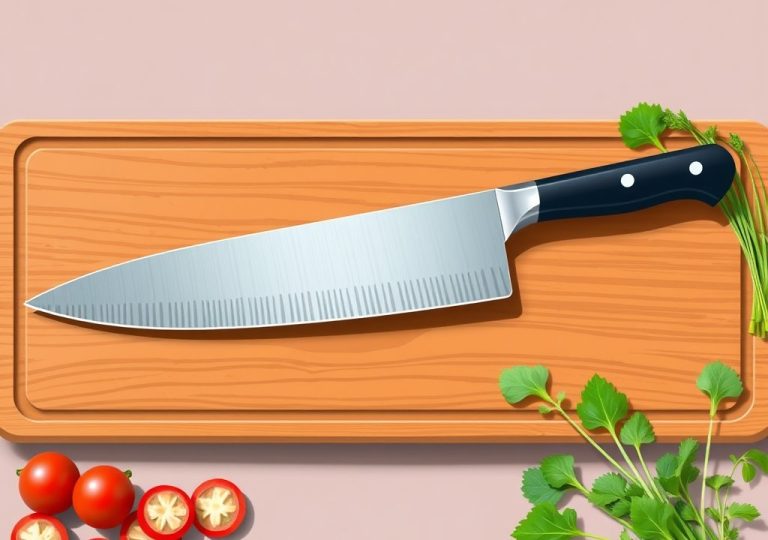
Most sets center on a chef’s knife for chopping, slicing and dicing. A paring knife handles small jobs like peeling and trimming. A serrated bread knife cuts crusty loaves without crushing the inside.
Many sets also add a utility knife and a carving or slicing knife for roasts. Shears and a honing steel are sometimes included. Check the listing carefully, since contents vary widely between brands.
Why Some Sets Include More Pieces Than You Need
Some sets look impressive because they list many items. Extra pieces, such as steak knives or specialty cleavers, may rarely get used. A longer list does not always mean better value.
A few well-made knives often outperform a crowded set. Ask which tasks you do most, then choose a set that covers those well instead of one filled with pieces you seldom touch.
The Core Qualities of a Good Knife Set
Four qualities shape how a set performs: blade material, edge retention, handle comfort and construction. Each affects safety, comfort and how long the knives last.
No single quality wins alone. A blade with excellent steel can still feel poor with an uncomfortable handle, so look at the set as a whole.
Blade Material and Steel Type
Blade material is the metal the knife is made from. Most kitchen knives use stainless steel, which resists rust and stains better than plain carbon steel. Some premium blades use high-carbon stainless steel to balance sharpness with corrosion resistance.
Steel type is often listed by a code or brand name. Compare these labels within the same product category, and check that the listing clearly names the steel and its intended use.
Edge Retention and Sharpness
Edge retention is how long a blade stays sharp during regular use. Steel composition, heat treatment and blade geometry all influence it. A blade that keeps its edge needs less frequent sharpening.
Starting sharpness matters too. Every blade dulls over time, so consider how easily you can restore the edge with simple tools.
Handle Comf ort, Grip and Balance
The handle decides how a knife feels over long sessions. A comfortable handle fits the palm without pinching or slipping. Fatigue comes quickly when a handle is too thin, too thick or too slick.
Balance describes where the weight sits along the blade. A well-balanced knife feels steady and controlled. Grip texture also matters when hands are wet or greasy during prep.
Construction Quality and Full Tang Versus Partial Tang
Construction describes how the knife is put together. The tang is the part of the blade that extends into the handle. A full tang runs the entire length of the handle, while a partial tang stops partway.
Full tang construction usually adds strength and better balance. Partial tang knives can handle light tasks well but may feel less sturdy under heavy use. Check how the handle is attached, and look for rivets or a firm, seamless join.
How Knife Blades Are Made and What Affects Performance
Blade making affects weight, flexibility and how the edge holds up. Two main methods are common in kitchen knives. Each suits different needs and budgets.
Forged Versus Stamped Blades
A forged blade is shaped from a single piece of heated steel, usually by pressing or hammering. Forging often produces a heavier, sturdier blade with a thicker spine.
A stamped blade is cut from a sheet of steel using a die. Stamping is faster and less costly, so these knives often sell for less. They are usually lighter and thinner, and they still perform well for everyday tasks.
What Blade Hardness Means for Everyday Use
Blade hardness describes how resistant the steel is to denting and deformation. It is often measured on the Rockwell scale. Harder blades tend to keep an edge longer but can be more brittle.
Softer blades bend more easily and are often simpler to sharpen. For most home cooks, a moderate hardness offers a useful balance between edge life and durability.
Practical Tips for Judging a Knife Set Before You Buy
A few simple checks can reveal a lot about a set’s quality. Use them if you shop in a store or online.
Checking Weight, Feel and Balance in Your Hand
If you can, hold each knife in a store. Notice if the weight feels comfortable and if the handle sits well in your grip. Try a slow chopping motion to see how the knife responds.
If you shop online, read reviews that describe handling and balance. Many buyers mention these details even when specifications are brief.
Reading Product Descriptions and Specifications Carefully
Product listings often mix useful facts with marketing words. Look for specifics such as blade material, handle material, construction type and the exact list of included pieces. Vague phrases like “professional quality” explain little on their own.
Compare listings using the same criteria. If a detail is missing, contact the seller or choose another option.
Looking at Warranty, Care Instructions and Sharpening Needs
A clear warranty shows how the maker stands behind the product. Read the terms to see what is covered and for how long. Care instructions matter too, since some knives need hand washing and careful drying.
Consider sharpening needs as well. Some sets include a honing steel or sharpener, while others require separate tools. Factor these costs into your decision.
Comparing Knife Sets by Use and Budget
The right set depends on how you cook and how much you plan to spend. Comparing options by use and price makes the choice clearer.
Sets for Beginner Home Cooks
Beginners often do well with a small set that includes a chef’s knife, a paring knife and a serrated knife. These cover most everyday tasks. A simple design with a comfortable handle makes learning easier.
A compact set with clear labels and sturdy construction is often a sensible starting point. It also leaves room in the budget for a good sharpener later.
Sets for Frequent Cooking and Prep Work
People who cook often or prepare large batches need more from their knives. Sharpness retention, balance and grip matter more because the knives see heavy use. Full tang construction and a sturdier blade can handle long sessions with less strain.
Many frequent cooks choose a larger set or a few individual knives that match their routine. They focus on quality over quantity.
Value Sets Versus Premium Sets
Value sets cost less and often use stamped blades and simpler materials. They can serve well for light to moderate use. Premium sets usually cost more and may feature forged blades, refined steel and more detailed finishing.
A higher price does not guarantee better performance for every person. Compare the features that matter to your cooking style before deciding how much to pay.
Block Sets, Roll Bags and Individual Knives
Block sets store knives upright in a wooden or plastic holder. They look tidy on the counter but take up space. Roll bags are compact and suit people who travel or want portable storage. Individual knives let you build a custom collection over time.
Each option has trade-offs. Pick the storage style that fits your space and habits, since it affects both convenience and blade safety.
Caring for Your Knife Set So It Lasts
Good care keeps a set sharp, safe and attractive for years. Most care habits are simple and take only a few minutes. Consistent routines matter more than occasional deep cleaning.
Cleaning, Drying and Storage Habits
Wash knives by hand with warm water and mild soap. Dry them right away with a soft towel. Leaving blades wet can lead to spotting, especially on lower-grade steel.
Store knives in a block, on a magnetic strip or in a protective sheath. Avoid loose storage in a drawer, where blades can knock together and chip or dull.
Cutting Boards and Surfaces That Protect the Edge
Choose cutting boards made of wood, bamboo or certain plastics that are gentle on the blade. Hard surfaces such as glass, stone or ceramic can dull or chip an edge quickly. Always cut on a stable board to keep control and reduce slips.
Sharpening Basics and When to Get Professional Help
Honing realigns the edge between uses and helps maintain sharpness. Sharpening removes a small amount of metal to create a new edge, and it is needed less often. A simple honing steel or whetstone can handle many routine tasks.
If a blade has chips, large nicks or a stubborn dull edge, a professional sharpening service may be the better choice. Needs vary with use, so check your knives regularly and adjust your schedule as needed.
Frequently Asked Questions
Do I need a full knife set or just a few good knives?
Many home cooks do well with a few well-chosen knives. A chef’s knife, a paring knife and a serrated knife cover most tasks. A full set suits those who want matching pieces and a storage block.
What is the most important feature in a knife set?
No single feature matters most for everyone. Blade steel, edge retention, handle comfort and construction work together. Prioritize the features that suit how you cook.
Is a more expensive knife set always better?
Not always. Price often reflects materials and finishing, but it does not guarantee a comfortable fit for your hand. Compare specifications and handling before deciding how much to spend.
How often do knives in a set need sharpening?
Frequency depends on steel type, how often you cook and what you cut. Regular honing between uses helps maintain the edge. Sharpening is needed less often, usually when honing no longer restores good cutting performance.
Are knife sets safe to store in a drawer or on a magnetic strip?
A drawer can damage blades, so it is not ideal. A magnetic strip works well when knives are mounted securely and spaced apart. A block or sheath is a safe choice for most people.
Conclusion
A good knife set balances steel quality, edge retention, handle comfort and solid construction. Fewer well-made knives often serve home cooks better than a crowded set. Check the listing carefully, hold the knives if you can, and read the warranty and care details. With gentle cleaning, proper storage and regular honing, a set can stay useful for a long time.

Mary is a home cooking enthusiast and kitchen gear reviewer with a passion for practical cookware and food preparation tools. She enjoys testing cutting boards, knives, kitchen gadgets, and other cooking essentials to help home chefs make smarter buying decisions. Through KitchenCutting.com, Mary shares honest product reviews, buying guides, and helpful kitchen tips to make cooking easier, safer, and more enjoyable.