How To Extend The Life Of Kitchen Tools
Replacing your kitchen tools frequently is expensive and wasteful. By following a few simple maintenance habits, you can extend the life of kitchen tools and keep them working like new. This guide covers the best practices for cleaning, storing, and maintaining your gear. You will learn how to protect everything from your sharpest knives to your favorite non-stick pans.
Key Takeaways
- Hand wash delicate items like wooden utensils and sharp knives to prevent material degradation.
- Avoid using high heat and metal scrapers on non-stick surfaces to maintain their coating.
- Store tools in dry, organized spaces to prevent rust, dulling, and unnecessary physical contact.
- Regularly maintain metal tools by drying them completely and seasoning cast iron to prevent corrosion.
Why Proper Care Matters
Kitchen tools represent a significant investment in your home. When you take care of them, they perform better and save you money in the long run. Poor maintenance often leads to rust, dull blades, or warped surfaces that require early replacement. Consistency is the most important part of tool care. Small actions, such as drying a knife immediately after use, prevent permanent damage. Over time, these habits become second nature and keep your kitchen running efficiently.
Best Practices for Cleaning and Washing
Cleaning is the most frequent interaction you have with your kitchen gear. Harsh detergents and high-pressure water can strip away protective layers or damage sensitive materials. Gentle cleaning is almost always the safer method for long-term durability.
The Dangers of the Dishwasher
Dishwashers use extreme heat and aggressive chemicals to sanitize dishes. These conditions are often too harsh for specialized kitchen tools. Wood can warp or crack under the intense steam, while knife blades lose their edge quickly from the abrasive cycle. High-pressure water jets can also knock items around, leading to chips or scratches. Delicate plastic components may melt or become brittle when exposed to these high temperatures. If a tool feels fragile or has a special coating, keep it out of the machine.
Hand Washing for Delicate Materials
Hand washing allows you to control the water temperature and the intensity of the scrub. Use mild dish soap and a soft sponge to clean your tools. This method is essential for items with wooden handles, non-stick coatings, or sharp edges. Always rinse your tools thoroughly to remove any soap residue. After washing, dry each item immediately with a soft cloth. Letting tools air dry in a pile can trap moisture, which leads to rust on metal or mildew on organic materials.
Protecting Your Knives and Cutting Tools
Knives are the most frequently used tools in any kitchen. A sharp knife is safer and more efficient than a dull one. Protecting the blade edge is the primary goal of proper maintenance.
Proper Knife Storage Solutions
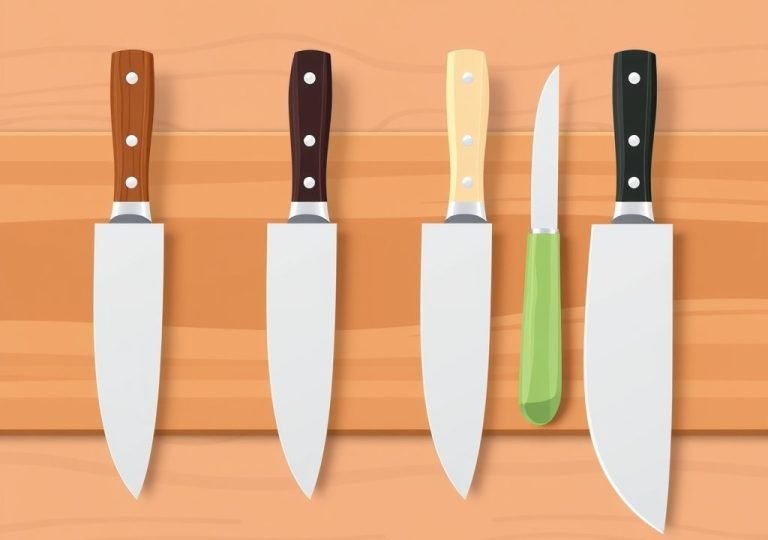
Never store your knives loose in a drawer with other utensils. The blades will strike against metal or hard plastic, which dulls the edge and can cause nicks. A wooden knife block, a magnetic wall strip, or a dedicated blade guard is ideal. These storage solutions keep the blades separated and protected from impact. If you use a knife block, ensure the blades slide in without scraping the bottom of the slot. Keeping blades protected ensures they stay sharp between uses.
Why You Should Use a Wood or Plastic Board
The surface you cut on determines how long your knife stays sharp. Glass, ceramic, or stone cutting boards are too hard and will ruin an edge almost instantly. They force the knife to strike a surface harder than the steel itself. Wood and high-quality plastic boards provide a slight “give” that cushions the blade. This prevents the metal from rolling or dulling during chopping tasks. Keep your boards clean and dry to ensure they remain safe and sanitary for food preparation.
Maintaining Non-Stick and Cast Iron Cookware
Cookware requires specific attention depending on the material. Non-stick pans have delicate coatings that react poorly to high heat and abrasive tools. Cast iron, on the other hand, needs a protective layer of oil to prevent rust.
Guidelines for Non-Stick Pans
Non-stick coatings can scratch and peel if treated roughly. Avoid using metal forks, knives, or spatulas inside these pans. Silicone, wood, or nylon utensils are much safer options that will not damage the surface. Avoid using high heat settings, as extreme temperatures can break down the coating. If you notice the surface starting to flake, it is usually time to retire the pan. Using the right heat and the right utensils keeps the non-stick property effective for much longer.
Seasoning Your Cast Iron
Cast iron is durable but prone to rust if left wet or unseasoned. Seasoning is the process of coating the metal with a thin layer of oil and heating it. This creates a natural, non-stick surface that protects the iron from moisture. After cleaning your cast iron, dry it completely on the stovetop over low heat. Once dry, apply a very light coat of oil to the surface and wipe away any excess. This simple routine prevents oxidation and keeps the pan in good condition for generations.
Smart Storage to Prevent Damage
How you store your tools affects their lifespan as much as how you use them. Cluttered drawers lead to bent gadgets and broken parts. Proper organization ensures that every item has its own place.
Organizing Utensils and Gadgets
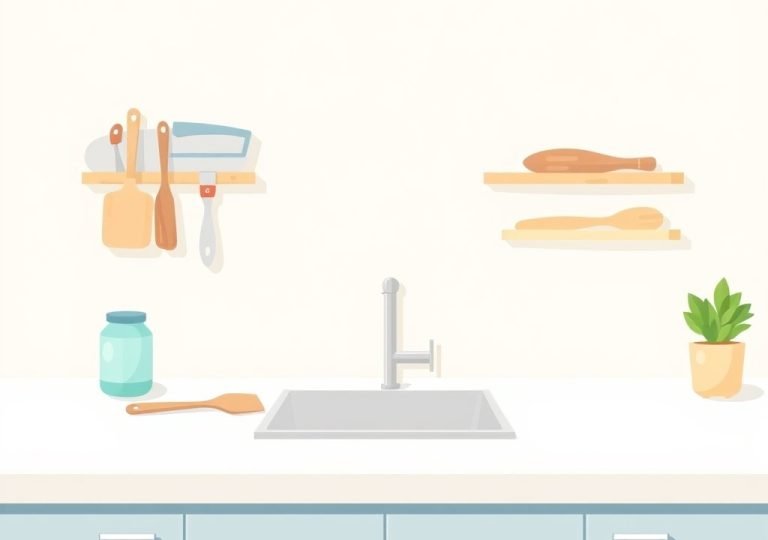
Use drawer dividers to separate large items from small gadgets. This prevents heavy items from crushing delicate tools like whisks or peelers. Keep tools you use daily in a reachable spot to avoid digging through a messy drawer. If your kitchen space is limited, consider hanging tools on a wall rack. This keeps them visible and prevents them from banging into each other. Good organization reduces the risk of accidental damage during retrieval.
Keeping Tools Dry to Prevent Rust
Moisture is the primary enemy of metal kitchen tools. Even stainless steel can develop spots or corrosion if left in a damp environment. Always ensure your tools are completely dry before putting them away in a closed drawer or cabinet. If you live in a humid climate, consider placing a small desiccant packet in your utensil drawer. This absorbs excess moisture and keeps the air dry. A dry environment is the most effective way to prevent rust on your metal equipment.
Frequently Asked Questions
Should I put wooden spoons in the dishwasher?
No, you should avoid putting wooden spoons in the dishwasher. The intense heat and moisture cause wood to expand, crack, and splinter over time. Wash them by hand with mild soap and dry them immediately.
How do I remove rust from metal tools?
You can remove light rust by scrubbing the area with a paste made of baking soda and a little water. For tougher spots, a mild abrasive pad or a vinegar soak often works well. Always dry the tool thoroughly and apply a light coat of oil afterward.
Can I use metal utensils on non-stick pans?
It is best to avoid using metal utensils on non-stick pans. Metal can scratch and lift the protective coating, which reduces the lifespan of the cookware. Stick to silicone, wood, or heat-resistant plastic utensils instead.
How often should I sharpen my kitchen knives?
The frequency depends on how often you cook and the type of food you chop. Most home cooks benefit from sharpening their knives periodically to maintain a smooth edge. Using a honing rod between sharpenings also helps keep the blade aligned.
Is it okay to soak my pots and pans overnight?
Soaking is fine for some stainless steel pots, but avoid soaking cast iron or pans with wooden handles. Prolonged exposure to water can cause rust on cast iron and damage wooden components. It is better to clean them soon after cooking.
Conclusion
Extending the life of kitchen tools is a matter of consistent, simple maintenance. By opting to hand wash delicate items, using the right cutting boards, and keeping your gear dry, you protect your investment. These habits prevent common issues like rust, dullness, and surface damage. Take a few extra seconds to dry your knives and season your cast iron. Treat your non-stick pans with gentle utensils and organized storage. These small adjustments ensure your kitchen tools remain reliable, safe, and ready for every meal you prepare.

Mary is a home cooking enthusiast and kitchen gear reviewer with a passion for practical cookware and food preparation tools. She enjoys testing cutting boards, knives, kitchen gadgets, and other cooking essentials to help home chefs make smarter buying decisions. Through KitchenCutting.com, Mary shares honest product reviews, buying guides, and helpful kitchen tips to make cooking easier, safer, and more enjoyable.