Essential Small Kitchen Tools
Essential small kitchen tools are the everyday items that make cooking easier, safer and more consistent. They include knives, peelers, measuring spoons, spatulas, whisks and tongs. This guide explains what each tool does, how to use it and how to care for it.
The guide is written for beginners setting up a kitchen or building their first set of tools. It covers how to choose a basic kit, how to avoid common mistakes and how to keep things simple.
Key Takeaways
- A small set of well-chosen tools handles most everyday cooking tasks.
- Measuring tools and a sharp knife have the biggest effect on results.
- Match each tool to its job, such as a silicone spatula for nonstick pans.
- Clean and dry tools after use to prevent rust and odor.
- Buy basics first and add specialty gadgets only when a clear need appears.
What Are Essential Small Kitchen Tools?
Small kitchen tools are hand-held items used for preparing, measuring, mixing and serving food. They are usually inexpensive and easy to store. Essential tools are the ones most home cooks reach for often.
Essential does not mean fancy. A basic peeler or a plain wooden spoon can be just as useful as a pricier option. What matters is that the tool does its job well and suits the way the cook works.
Why Small Tools Matter for Everyday Cooking
Small tools shape how food turns out. A spoon that measures the wrong amount can change a recipe, and a dull knife makes chopping slow and unsafe.
Good tools also save time. When the right item is within reach, cooking feels less rushed and more enjoyable.
The Difference Between Basic and Specialty Tools
Basic tools appear in many recipes. Examples include a chef’s knife, a cutting board, a whisk and measuring spoons. Specialty tools serve one narrow purpose, such as a cherry pitter or an avocado slicer.
Basic tools usually deliver the most value for beginners. Add specialty tools later, when a repeated task calls for one.
The Core Small Tools Every Home Kitchen Needs
Most home kitchens do well with a small group of core tools. These cover cutting, measuring, mixing and handling hot food. The list below groups them by job so they are easy to learn.
Cutting and Prep Tools: Knives, Peelers and Graters
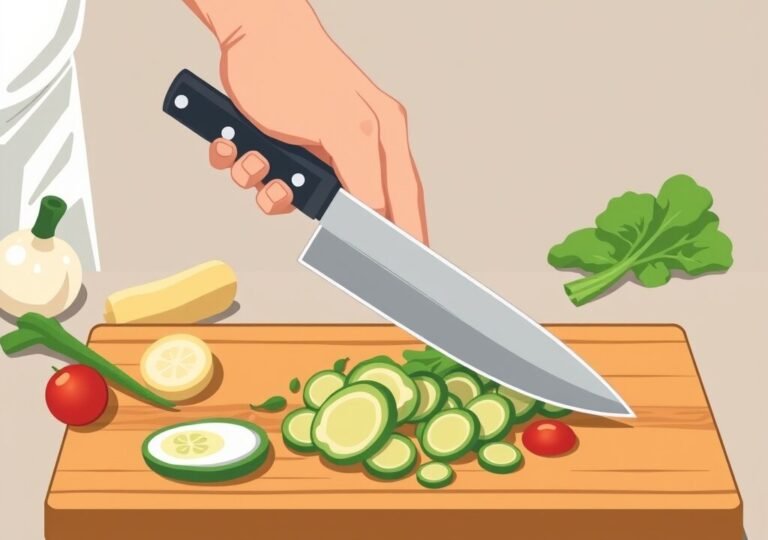
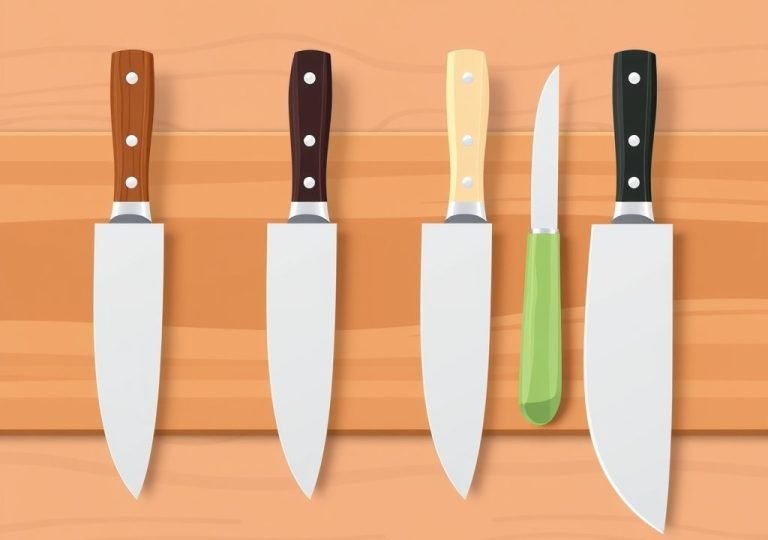
A chef’s knife handles most chopping, slicing and mincing tasks. A paring knife is smaller and useful for detailed work, such as trimming or coring fruit.
A vegetable peeler removes skin from potatoes, carrots and similar produce. A box grater has several sides for cheese, vegetables and citrus zest. Keep a stable cutting board nearby for every prep task.
Measuring Tools: Spoons, Cups and Scales
Measuring spoons handle small amounts of salt, spices, baking soda and liquids. Measuring cups handle larger amounts of flour, sugar, oil and water.
A digital kitchen scale measures by weight rather than volume. Many bakers prefer it because weight is often more consistent than cup measurements. It is not required for simple cooking, but it helps with baking.
Mixing and Stirring Tools: Spatulas, Whisks and Ladles
A spatula lifts, flips and scrapes food. Silicone spatulas are gentle on nonstick surfaces, while a metal turner suits sturdy pans. A whisk blends eggs, sauces and batters, and a ladle moves soups and stews into bowls.
Gripping and Handling Tools: Tongs, Thermometers and Oven Mitts
Tongs grip and turn food safely, especially meat and vegetables in a hot pan. A probe thermometer shows if meat has reached a safe internal temperature. Oven mitts or heat-resistant gloves protect hands when moving hot dishes.
Many food safety guidelines list target temperatures for different foods. Checking a thermometer in boiling water and ice water helps confirm it reads accurately.
How Each Tool Works in Real Cooking
Knowing a tool’s purpose is useful, but knowing how to use it well makes a bigger difference. The steps below show common tasks in plain terms.
Using a Peeler, Grater and Zester Step by Step
To peel a potato, hold it firmly and pull the peeler away from you in short, even strokes. Remove any eyes with the tip of the peeler, then rinse before cooking.
- Wash the produce before peeling or grating.
- Hold the item steady and keep fingers away from the blade.
- Use light, even pressure and work in one direction.
- For zest, grate only the colored outer layer, since the white pith underneath tastes bitter.
Measuring Accurately With Spoons and Cups
For dry ingredients, spoon flour into the cup and level it with the flat edge of a knife. Scooping straight from the bag can pack in extra flour. For liquids, use a clear cup with measuring lines and read it at eye level.
Measuring spoons work best when filled level. A heaping spoonful can add far more salt than a recipe intends.
Using Tongs and Spatulas Safely on Hot Surfaces
Choose a tool that suits the surface. Silicone and nylon tools are generally safe on nonstick coatings, while metal tools can scratch them. Wooden spoons are a gentle option for many pots and pans.
Keep tong handles away from open flames and hot oil. Set used tongs on a clean plate rather than the counter, and let hot handles cool before cleaning.
Simple Tips for Caring for Small Kitchen Tools
Good care helps tools last longer and stay hygienic. Most small tools need only a few simple habits. These habits are easy to build into a regular routine.
Cleaning and Drying Tools to Prevent Rust and Odor
Wash tools soon after use with warm water and mild dish soap. Dry them fully before storing, since trapped moisture can cause rust on metal and odor on wood. Check the manufacturer’s care label, because some items should not go in a dishwasher.
Strong-smelling foods like garlic or onion can leave odors on tools. A quick scrub with soap and water usually removes them. Wooden tools should be dried right away and never soaked.
Storing Tools So They Stay Within Reach
Store tools near where they are used most. A utensil crock beside the stove keeps spatulas and tongs handy. A drawer organizer keeps measuring spoons and peelers separated and easy to find.
Knives are best kept on a magnetic strip, in a block or in a protective sheath. Loose knives in a drawer can dull the blade and cause injuries.
Knowing When a Tool Needs Replacing
A tool should be replaced when it no longer works well or looks unsafe. Common signs include cracked handles, loose parts, warped spatula edges and peeler blades that no longer cut cleanly. Check the blade or edge of a tool regularly. A dull knife can slip and cause injuries, so sharpening or replacing it is a good idea.
Plastic or silicone pieces that have melted, stained or become sticky should also go. Whisk wires that bend out of shape may trap food and stop mixing well.
Common Mistakes Beginners Make With Kitchen Gadgets
Many new cooks buy tools with good intentions and then struggle to use them. A few common habits explain most of the problems. Recognizing them early saves money and frustration.
Buying Too Many Single-Purpose Gadgets
Single-purpose gadgets, such as garlic peelers or egg separators, often sit unused in drawers. Before buying, ask if the item will be used often enough to justify the space it takes.
A chef’s knife and a whisk can often replace several narrow gadgets. A gadget that solves a frequent problem can still be worth having.
Using the Wrong Tool for the Job
A metal spatula on a nonstick pan can scratch the coating. A dull knife can crush tomatoes instead of slicing them cleanly. Matching the tool to the task helps food turn out better and keeps tools in good condition.
A whisk can struggle with thick dough, where a sturdy wooden spoon or spatula often works better. Take a moment to consider the food and the cookware before reaching for a tool.
Basic Tools Compared: What Each One Is Best For
Some tools seem interchangeable but work differently. Comparing them side by side makes choices easier. The examples below show where each option fits best.
Whisk Versus Fork for Beating Eggs
A whisk adds more air and blends eggs more evenly than a fork. This makes it a good choice for fluffy omelets or light sauces. A fork works for quick scrambling and is always within reach in most homes.
For a simple scramble, a fork is usually enough. For a smooth, airy result, a whisk does the job faster. Either tool can be used depending on the dish.
Digital Scale Versus Measuring Cups for Baking
Measuring cups are inexpensive and familiar. However, the amount of flour in a cup can vary with how it is scooped and packed. A digital scale measures by weight, which tends to give more consistent results.
Recipes that list grams or ounces are easiest to follow with a scale. Recipes written in cups are still common and can work well when measured carefully. A beginner can start with cups and add a scale later if baking becomes a regular habit.
Wooden Spoon Versus Silicone Spatula for Nonstick Pans
Both tools are gentle on nonstick coatings. A wooden spoon is good for stirring thick mixtures and sauces. A silicone spatula is better for scraping the sides of a bowl or pan and folding ingredients.
Silicone can handle higher heat, while wood should not be left in very hot pans for long. Both tools are inexpensive and useful. Many kitchens keep one of each for different tasks.
Setting Up a Starter Kitchen Tool Kit on a Budget
A starter kit does not need to be large or costly. A small, focused set covers most daily cooking. The goal is to build a kit that fits the way the cook eats and cooks.
A Simple Starter List for a Small Kitchen
A useful starter list includes a chef’s knife, a paring knife, a cutting board, a vegetable peeler, measuring spoons, measuring cups, a silicone spatula, a whisk, a wooden spoon, tongs and an oven mitt. A probe thermometer is a helpful addition for cooking meat. Each item covers a core job in the kitchen.
Buy the knife and cutting board with the most care, since they are used daily. Lower-cost options can work well for items used less often. Quality matters more than quantity.
Making Do without a long list of extras. A few well-chosen tools can cover most cooking, and each one can be added when a clear need appears. In short, start small, buy carefully, and let your cooking guide what comes next.
Making Do With Fewer Tools Without Losing Quality
Some tasks can be handled by a single tool. A chef’s knife can chop, slice and mince. A wooden spoon can stir, scrape and serve.
Frequently Asked Questions
Which small kitchen tool should a beginner buy first?
A good chef’s knife is often the best first purchase. It handles many prep tasks and gets used almost daily. Pair it with a sturdy cutting board for safe, steady work.
Do I need a digital scale, or are measuring cups enough?
Measuring cups are enough for most simple cooking. A digital scale helps when baking or following recipes written in weight. Beginners can start with cups and add a scale later.
How often should I replace my kitchen tools?
Replace a tool when it is cracked, loose, warped or no longer cuts or works well. Most items have no fixed schedule. Regular checks help you spot wear early.
Are plastic or silicone tools safe to use with hot pans?
Silicone tools are generally rated for high heat, but always check the label for the maximum temperature. Plastic tools can melt or warp near hot pans, so keep them for lower heat. Wooden tools are a gentle option for many cookware types.
How do I keep small kitchen tools organized in a tiny kitchen?
Use a utensil crock, drawer organizer or wall rack to group tools by use. Store items near where they are needed most. Keep knives on a magnetic strip or in a block to protect the blades.
Conclusion
Essential small kitchen tools are simple, affordable and very useful. A core set of knives, measuring tools, mixing tools and handling tools covers most everyday cooking. Using each tool for its intended job, caring for it well and replacing worn pieces keeps a kitchen safe and efficient. Beginners who start with basics and add only what they need will build a practical kit over time.

Mary is a home cooking enthusiast and kitchen gear reviewer with a passion for practical cookware and food preparation tools. She enjoys testing cutting boards, knives, kitchen gadgets, and other cooking essentials to help home chefs make smarter buying decisions. Through KitchenCutting.com, Mary shares honest product reviews, buying guides, and helpful kitchen tips to make cooking easier, safer, and more enjoyable.