Kitchen Small Tools Guide
Small kitchen tools are the everyday gadgets that help you measure, cut, mix, peel and serve food. This kitchen small tools guide explains what these tools are, which ones matter most for a beginner, and how they work. It also covers materials, safe handling, cleaning and the common mistakes that new cooks often make.
You do not need a full drawer of gadgets to cook well. A small set of reliable tools, used with care, covers most recipes. Reading this guide will help you decide what to buy first and how to get the most from it.
Key Takeaways
- Small kitchen tools are simple devices that make prep, cooking and serving easier.
- Start with a few core tools: measuring cups, a good knife, a cutting board, a peeler and a spatula.
- Manual tools are often enough for beginners. Electric tools add speed but take more space and care.
- Good materials and solid construction matter more than a long list of gadgets.
- Clean, dry and store tools properly to keep them safe, hygienic and working well.
What Are Kitchen Small Tools?
Defining Small Kitchen Tools and Gadgets
Kitchen small tools are hand-held or small countertop items used in food preparation and cooking. They include utensils like spatulas and whisks, prep tools like peelers and graters, and measuring items like spoons and cups. Gadgets are the more specialized versions, such as garlic presses or egg slicers.
The line between a tool and a gadget is not strict. In general, a tool does a broad job, while a gadget often does one narrow task. Both belong in the same family of kitchenware, and both can be useful depending on how you cook.
Why Small Tools Matter for Everyday Cooking
Small tools save time and reduce effort. A good peeler removes skin faster than a dull knife, and a proper spatula lifts food without tearing it. Accurate measuring tools also help recipes turn out the way they should.
They also affect safety and comfort. The right tool keeps your hands away from hot pans and sharp edges. Over time, the right tools make cooking feel less like a chore and more like a routine you enjoy.
Essential Kitchen Small Tools Every Beginner Should Know
Most beginners do well with a small group of tools that cover measuring, prep, mixing and storage. The list below groups them by job so you can see how they fit together. You can build the set slowly as your cooking grows.
Measuring and Prep Tools
Measuring spoons and cups are the foundation of accurate cooking and baking. A set of dry measuring cups and a liquid measuring cup covers most recipes. A kitchen scale is also helpful, especially for baking, because weight is often more precise than volume.
A cutting board and a sharp chef’s knife are the core prep tools. A vegetable peeler and a box grater handle everyday tasks like skinning carrots or grating cheese. Together, these items make chopping and preparing ingredients far less frustrating.
Cutting, Peeling and Grating Tools
A paring knife is useful for small, detailed work such as trimming or coring fruit. A serrated bread knife cuts crusty bread without crushing the loaf. Kitchen shears are handy for herbs, packaging and poultry.
Graters and zesters come in several sizes. A fine grater suits citrus zest and hard cheese, while a coarse side is better for shredding vegetables. A zester is a narrow tool that removes thin strips of citrus peel with little of the bitter white layer underneath.
Mixing, Stirring and Serving Tools
A silicone spatula scrapes bowls clean and is gentle on nonstick pans. A wooden spoon stirs thick mixtures without scratching cookware. A whisk blends liquids and incorpor air. A ladle and a slotted spoon help you serve soups and lift food from liquid.
A set of tongs gives a firm grip for turning meat or vegetables.
Storage and Organization Tools
Good storage keeps small tools easy to find and in good shape. A utensil crock or drawer organizer stops tools from knocking against each other. Labeled containers help keep dry goods and spices in order.
Airtight containers protect flour, rice and other pantry staples from moisture and pests. Magnetic strips and wall racks can free up counter and drawer space. Organized storage also makes it easier to notice when a tool needs cleaning or replacing.
How Kitchen Small Tools Work
Basic Mechanics Behind Common Gadgets
Most small tools rely on simple physics. A peeler uses a sharp blade set at an angle, so it slides under the skin and lifts it away. A grater uses rows of raised holes with sharp edges that shave food into thin pieces.
Many gadgets use leverage or pressure. A garlic press forces a clove through small holes, pushing the flesh out while the skin stays behind. A can opener uses a small wheel to score the lid, then a cutting edge follows the line around the rim.
Manual Versus Electric Small Tools
Manual tools need your strength and time, but they are simple and reliable. They take little space, need no power, and rarely break in complicated ways. Most beginners can learn to use them with a little practice.
Electric tools, such as hand mixers, food processors and immersion blenders, work faster and handle larger batches. They also take up more storage space and need careful cleaning around the motor base. On the other hand, they can be a good choice for people who cook often or have limited hand strength.
Materials and Build Quality Explained
Stainless Steel, Silicone, Wood and Plastic
Stainless steel is common for knives, whisks, measuring spoons and strainers. It resists rust well and cleans easily, though lower-quality steel can stain or dull faster. Silicone is flexible and heat-resistant, which makes it useful for spatulas and baking mats.
Wood is a classic choice for spoons and cutting boards. It feels comfortable in the hand and is gentle on cookware, but it needs drying and occasional oiling to avoid cracking. Plastic is light and inexpensive, though it can scratch, stain and wear out with heat or harsh cleaning.
Signs of a Well-Made Tool
A well-made tool feels balanced and sturdy in the hand. Joints, handles and blades should fit together without gaps or wobble. Look for smooth finishes with no rough edges or loose rivets.
Clear labeling of materials is also a good sign. Heat ratings, dishwasher safety and maintenance notes help you use the tool correctly. Even so, price alone does not guarantee quality, so check construction and reviews from buyers you trust.
Step-by-Step Tips for Using Small Kitchen Tools Safely
Handling Knives and Sharp Edges
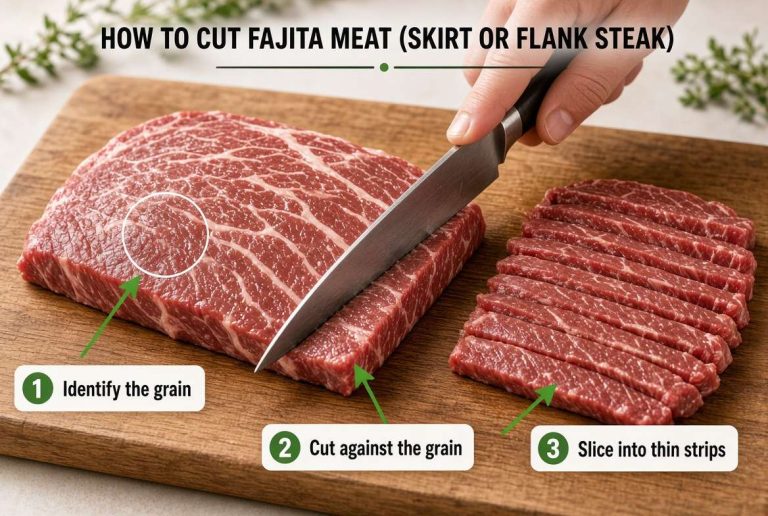
Keep your fingers curled under when you hold food, so the knuckles guide the blade. Cut on a stable board and keep the blade pointed away from your body. Let the knife do the work instead of forcing it.
Store knives in a block, sheath or magnetic strip so the edges stay protected. Never reach into a sink full of water for a blade you cannot see. Handle knives calmly and give them your full attention.
Cleaning and Caring for Your Tools
Wash tools soon after use, especially those that touch raw meat or strong foods. Warm water and mild dish soap work for most items. Dry everything fully before storing, since trapped moisture can cause rust or mold.
Check the care label before using a dishwasher. Some wooden and high-end items should be hand washed only. Clean graters and small gadgets with a brush to reach tight corners.
Storing Tools to Make Them Last
Store tools in a dry place away from heat sources. Keep blades separated so they do not knock together. Good storage prevents chips, dents and sharp edges that could damage your hands or other items. Hang or place tools so they stay visible and easy to reach, which also makes it simpler to spot wear early.
Common Beginner Mistakes to Avoid
Buying Too Many Single-Purpose Gadgets
Many new cooks buy a drawer full of single-purpose gadgets that rarely get used. A device for one specific task can take up space and collect dust. Before buying, ask if the tool will appear in your regular cooking.
Multi-use tools often give better value for beginners. A good chef’s knife, for example, can handle a wide range of jobs. Start small and add items only when a recipe or habit clearly calls for them.
Ignoring Maintenance and Sharpening
A dull knife is harder to control and more likely to slip. Regular honing keeps the edge aligned between sharpenings. Sharpening restores the edge itself and is usually needed less often.
Other tools need maintenance too. Wooden boards benefit from occasional oiling, and loose handles should be tightened or replaced. Small steps like these extend the life of your kitchen tools.
Small Tools Compared: Which Ones Do You Really Need?
Starter Kit Versus Full Kitchen Setup
A starter kit includes the basics: a knife, a cutting board, measuring tools, a spatula, a whisk, a peeler and a few utensils. It covers most everyday meals and keeps spending low. A full kitchen setup adds specialty items for baking, frying, grilling and more.
For most beginners, a starter kit is the wiser first step. You can see which tasks you enjoy and build from there. This approach also helps you avoid buying tools you will not use.
Multi-Use Tools Versus Specialty Gadgets
Multi-use tools, such as a sturdy spatula or a good knife, work across many recipes. Specialty gadgets, like a cherry pitter or an avocado slicer, handle one job very well. Neither type is better in every case.
The right choice depends on how often you cook a particular food. If you rarely make a dish, a general tool may be enough. If a task is part of your weekly routine, a dedicated gadget may save real time.
Example Setups for Different Cooking Styles
A Simple Kit for First-Time Cooks
A first-time cook might start with a chef’s knife, a paring knife, a cutting board, measuring spoons and cups, a silicone spatula, a wooden spoon, tongs, a whisk and a vegetable peeler. This set handles soups, stir-fries, salads and simple baked dishes. It leaves room to grow without a large upfront cost.
Add a colander and a grater when you start cooking pasta or shredding cheese. A can opener and a bottle opener round out the basics. Each item has a clear purpose in everyday meals.
Additional Tools for Baking Enthusiasts
Bakers often add a kitchen scale, a set of mixing bowls, a rolling pin, a bench scraper and an offset spatula. A stand mixer or hand mixer helps with creaming butter and whipping cream. Silicone baking mats and parchment paper make cleanup easier.
Measuring by weight is common in baking, so a digital scale is often the most useful addition. Keep your basic tools too, since many baking tasks still rely on spoons, cups and a sturdy spatula.
Frequently Asked Questions
What are the most important kitchen small tools for a beginner?
A good chef’s knife, a cutting board, measuring spoons and cups, a spatula, a wooden spoon and a vegetable peeler cover most tasks. These items support prep, cooking and serving. You can add more tools as your cooking style develops.
Do I need to buy expensive kitchen gadgets?
Not necessarily. Price does not always reflect how well a tool works or how long it lasts. Focus on sturdy construction, comfortable handles and materials that suit your cooking.
How often should I replace kitchen small tools?
replace kitchen small tools?
There is no fixed schedule. Replace a tool when it is cracked, warped, rusted, loose or no longer cuts or grips well. Safety comes first, so discard anything with sharp damage or a wobbly handle.
Are electric small kitchen tools worth it?
They can be, especially if you cook often or make large batches. They save effort but need more storage space and careful cleaning. For occasional cooking, a good manual tool is often enough.
How do I keep my small kitchen tools clean and hygienic?
Wash tools soon after use with warm water and mild soap, then dry them fully. Sanitize cutting boards and tools that touch raw meat. Store everything in a dry place to prevent bacteria and mold.
Conclusion
Small kitchen tools make everyday cooking easier, safer and more enjoyable. Start with a core set of measuring, prep, mixing and serving tools. Choose sturdy materials, use tools with care and keep them clean, dry and sharp. As your skills grow, add specialty items only when they fit your routine.

Mary is a home cooking enthusiast and kitchen gear reviewer with a passion for practical cookware and food preparation tools. She enjoys testing cutting boards, knives, kitchen gadgets, and other cooking essentials to help home chefs make smarter buying decisions. Through KitchenCutting.com, Mary shares honest product reviews, buying guides, and helpful kitchen tips to make cooking easier, safer, and more enjoyable.