How Do You Cut Romaine Lettuce?
Romaine lettuce is one of the most popular greens in the kitchen. It shows up in Caesar salads, wraps, tacos, and even on the grill. But if you have ever stood at your cutting board staring at a head of romaine, not sure where to start, you are not alone. A lot of people feel unsure about the right way to cut this leafy green without wasting it or making a mess.
In this article
The good news is that cutting romaine lettuce is easy once you know the basic steps. You don’t need fancy tools or years of kitchen experience. All you need is a sharp knife, a clean cutting board, and a few minutes. In this article, we will walk through everything step by step, so you can cut romaine like a pro, whether you are making a quick lunch salad or prepping a big batch for the week.
Why It Matters How You Cut Romaine Lettuce
You might think lettuce is lettuce, and cutting it any old way should be fine. But the way you slice romaine actually changes how your dish turns out. Cut it too thick, and your salad feels clunky and hard to eat. Cut it too thin, and the leaves can turn mushy or wilt fast. The size and shape of your cut also affects how well the dressing sticks to each piece, which makes a big difference in flavor.
Beyond taste and texture, proper cutting helps the lettuce stay fresh longer. Torn or badly cut leaves brown faster at the edges because the cell walls get damaged more than with a clean knife cut. So learning a few simple techniques really does pay off, both for how your food looks and how long it lasts in the fridge.
Tools You Will Need
Before jumping into the steps, gather these basic tools:
- A sharp chef’s knife or a large kitchen knife
- A clean, sturdy cutting board
- A large bowl for washing
- A salad spinner (optional, but very helpful)
- Paper towels or a clean kitchen towel
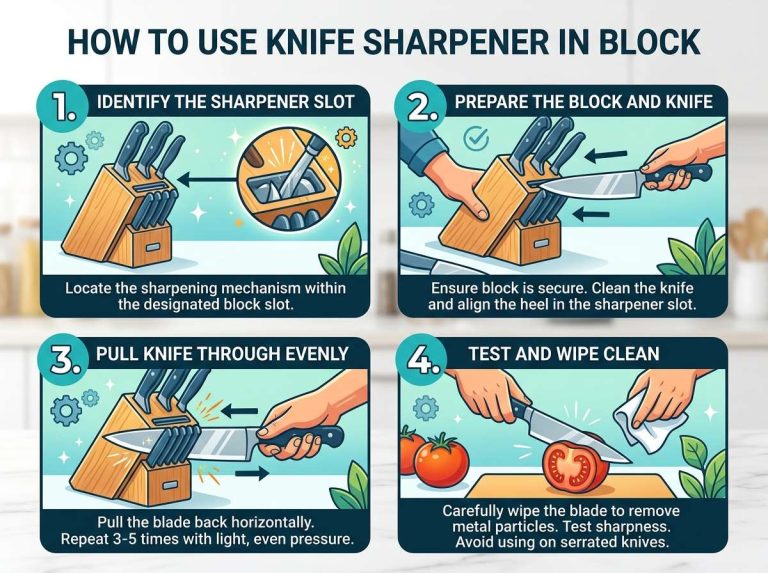
A sharp knife is key here. A dull blade tends to crush lettuce leaves instead of slicing through them cleanly, which leads to bruised edges and faster wilting. If your knife has not been sharpened in a while, now is a good time to fix that.
Step 1: Pick a Fresh Head of Romaine
Good results start with good lettuce. Look for a head that feels firm and heavy for its size, with crisp, bright green leaves. The outer leaves should not look wilted, slimy, or brown at the edges. If the base looks dry and cracked, that’s a sign the lettuce has been sitting around too long.
A fresh head of romaine has leaves that snap easily when bent, almost like celery. If the leaves bend without breaking, the lettuce has likely lost some moisture and freshness.
Step 2: Rinse the Whole Head First
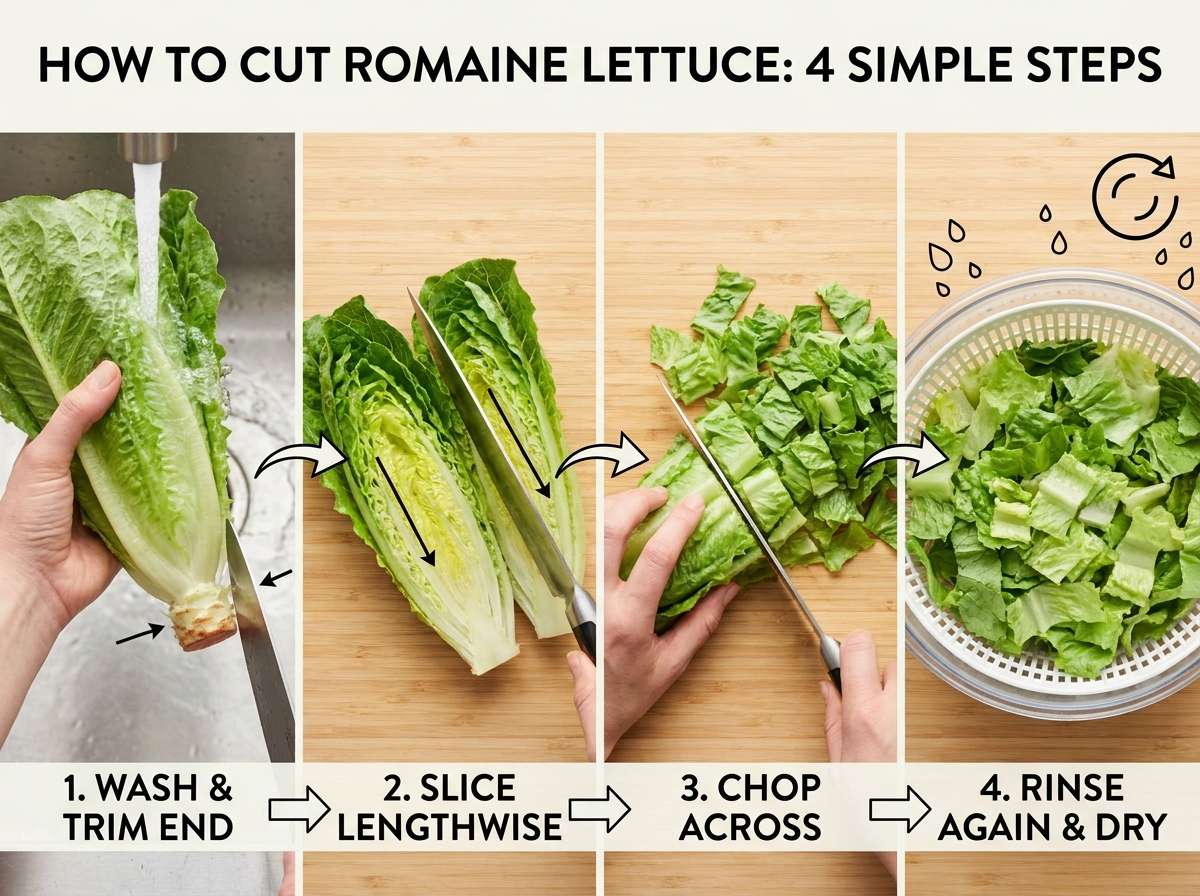
A lot of people skip this step and jump straight to cutting, but rinsing the whole head first actually saves time later. Hold the head under cool running water and let the water flow between the outer leaves. This knocks off loose dirt and any bugs that might be hiding near the base.
You don’t need to scrub hard. Just a gentle rinse under the tap does the trick for the outside layer. After this quick rinse, shake off the extra water and set the head on a towel to dry a bit before you start cutting.
Step 3: Trim the Base
Lay the romaine on its side on your cutting board. Look at the bottom, where all the leaves connect. This is called the core or the base, and it’s tough and slightly bitter compared to the rest of the leaves.
Using your knife, slice off about half an inch to an inch from the very bottom of the head. This cut removes the tough core and naturally separates most of the leaves from each other. Some people like to remove even more of the core if it feels especially thick or woody.
Once the base is trimmed, the leaves usually fall apart on their own, or with just a light pull from your hand.
Step 4: Wash the Individual Leaves
Now that the leaves are separated, it’s time for a deeper wash. This step matters a lot because dirt and grit love to hide near the base of each leaf, right where it was attached to the core.
Fill a large bowl with cold water and drop the leaves in. Swish them around gently with your hands for about thirty seconds. Dirt and sand will sink to the bottom of the bowl. Lift the leaves out with your hands rather than pouring the water out, since this leaves the grit behind at the bottom instead of pouring it back over your clean lettuce.
Repeat this process one more time with fresh water if the lettuce came from a garden or a farmers market, since homegrown greens tend to carry more soil.
Step 5: Dry the Leaves Well
Wet lettuce is slippery and hard to cut evenly, plus a soggy salad is nobody’s favorite. Drying your romaine properly makes a real difference in both safety and taste.
A salad spinner works best here. Place the leaves inside, spin a few times, and the water flies off through the holes in the outer basket. If you don’t own a spinner, lay the leaves flat on a clean towel, roll it up gently, and pat dry. You can also shake the leaves hard over the sink a few times to knock off extra water before laying them out.
Dry lettuce also holds dressing better later, since water on the leaves tends to dilute the flavor of whatever sauce or dressing you add.
Step 6: Stack the Leaves for Cutting
With clean, dry leaves ready, group a few of them together in a small stack. Line up the leaves so the wide ends face the same direction, roughly on top of each other. This makes cutting faster since you slice through several leaves at once instead of one at a time.
Don’t stack too many leaves together, though. A stack that’s too tall can shift around under the knife and lead to uneven cuts. Five to seven leaves per stack is a good number for most home cooks.
Step 7: Choose Your Cutting Style
This is where the fun part begins. There are a few common ways to cut romaine, and each one works better for certain dishes.
Classic Chop
This is the most common style for everyday salads. Take your stack of leaves and cut straight across into strips about one inch wide. Then turn the strips sideways and cut across again to make bite-sized pieces. This method gives you a mix of small, easy-to-eat chunks that work great with any dressing.
Chiffonade (Ribbon Cut)
If you want thin, elegant ribbons of lettuce, this method is for you. Roll the stack of leaves up tightly like a cigar. Then, holding the roll steady with one hand, slice thin strips across the roll with your knife. When you unroll the cut pieces, you’ll see long, thin ribbons perfect for topping soups, tacos, or fancy salads.
Hand Tearing
Some people prefer to skip the knife entirely and tear the leaves by hand into rough, bite-sized pieces. This method gives a more rustic, natural look and can actually help leaves hold up better against dressing, since torn edges sometimes soak up flavor differently than knife-cut edges. It’s a fast option if you’re short on time, but the pieces tend to come out uneven in size.
Whole Leaf Cut
For dishes like lettuce wraps or a classic Caesar salad served whole-leaf style, you don’t need to chop much at all. Just cut the leaves in half lengthwise, right down the middle of the thick center rib. This keeps the leaves large enough to hold fillings or stay sturdy on a plate.
Grilled Romaine Halves
If you plan to grill your romaine, skip the chopping altogether. After washing and drying the whole head, slice it straight down the middle from top to bottom, keeping the core intact so the leaves stay together on the grill. This method gives you two neat halves that char beautifully and hold their shape over the heat.
Step 8: Cut Away From the Body
No matter which style you pick, always cut with the blade angled away from your fingers, and curl your fingertips inward while holding the lettuce steady. This basic knife safety habit protects your hands and gives you more control over each slice.
Keep your cutting board steady too. If it slides around on the counter, place a damp paper towel underneath it. This small trick keeps the board in place and makes cutting much safer and smoother.
Common Mistakes to Avoid
Even a simple task like cutting lettuce has a few common pitfalls. Here are some things to watch out for:
- Cutting with a dull knife: This bruises the leaves and speeds up browning at the cut edges.
- Skipping the wash step: Grit and sand can hide deep in the leaves, especially near the base.
- Cutting too far ahead of time: Cut romaine starts to wilt and brown faster than a whole head, so timing matters.
- Not drying the leaves: Wet lettuce leads to soggy salads and watered-down dressing.
- Ignoring the core: Leaving too much of the tough core in your cut pieces adds unwanted bitterness and crunch.
How to Store Cut Romaine Lettuce
If you cut more than you need right away, storing it properly keeps it fresh for later. Place the cut leaves in a bowl or container lined with a dry paper towel. The towel soaks up extra moisture, which is one of the biggest reasons lettuce turns slimy in the fridge.
Cover the container with a lid or plastic wrap and store it in the crisper drawer of your fridge. Cut romaine usually stays fresh for about three to five days this way. Check on it now and then, and toss out any pieces that start to look brown or slippery, since one bad leaf can speed up spoiling in the whole batch.
Avoid freezing romaine lettuce, since the high water content in the leaves breaks down during freezing, leaving you with a mushy, wilted texture once thawed. Romaine is best enjoyed fresh, not frozen.
Tips for Using Cut Romaine in Different Dishes
Different dishes call for different cuts, so here’s a quick rundown to help you decide:
- Caesar salad: Classic chop or whole-leaf halves both work well, depending on how traditional you want the presentation.
- Tacos and wraps: Chiffonade ribbons or hand-torn pieces add a light, fresh crunch without overpowering the filling.
- Grain bowls: A fine chop mixes evenly with rice, quinoa, or other grains.
- Sandwiches: A single whole leaf or a large torn piece gives crunch without falling out of the bread.
- Soups: Thin ribbon cuts wilt slightly into hot broth, adding texture without dominating the bowl.
A Quick Recap
Cutting romaine lettuce doesn’t have to be complicated. Rinse the whole head first, trim the tough base, wash the separated leaves in cold water, and dry them well before slicing. From there, pick a cutting style that matches your dish, whether that’s a classic chop, thin ribbons, hand-torn pieces, or whole-leaf halves for wraps and grilling.
A sharp knife, a steady cutting board, and a few extra minutes of care go a long way toward better texture, better flavor, and lettuce that stays fresh longer in your fridge. Once you get the hang of these steps, cutting romaine becomes second nature, and you’ll find yourself reaching for this crisp, versatile green a lot more often in your everyday cooking.
Frequently Asked Questions
Do I need to wash romaine lettuce even if the package says pre-washed? It’s still a good habit to give it a quick rinse. Pre-washed doesn’t always mean spotless, and a short rinse adds an extra layer of safety.
Can I cut romaine ahead of time for meal prep? Yes, just dry the leaves thoroughly, store them with a paper towel in a sealed container, and use them within a few days for the best texture.
Why does my cut romaine turn brown at the edges so fast? This usually happens from a dull knife bruising the leaves, or from leaving cut lettuce exposed to air for too long without proper storage.
What is the best knife for cutting lettuce? A sharp chef’s knife works great for most cuts. Some cooks also like using a plastic or ceramic lettuce knife, which claims to slow down browning at the cut edge, though a sharp metal knife works perfectly fine for home use.
Is it better to cut or tear romaine lettuce? Both work well. Cutting gives you neat, even pieces, while tearing gives a more rustic texture. It really comes down to personal preference and what dish you’re making.

Mary is a home cooking enthusiast and kitchen gear reviewer with a passion for practical cookware and food preparation tools. She enjoys testing cutting boards, knives, kitchen gadgets, and other cooking essentials to help home chefs make smarter buying decisions. Through KitchenCutting.com, Mary shares honest product reviews, buying guides, and helpful kitchen tips to make cooking easier, safer, and more enjoyable.