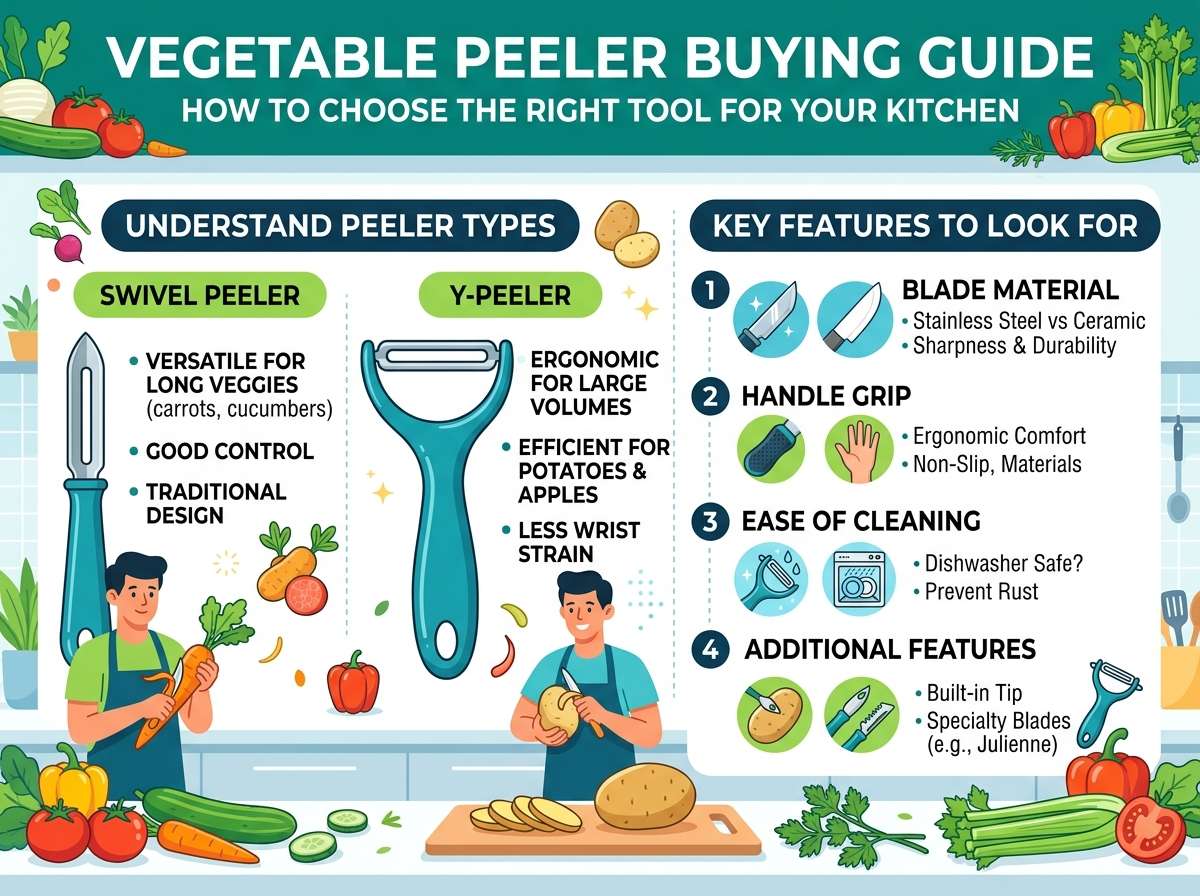
Vegetable Peeler Buying Guide
A vegetable peeler looks like a small, boring tool. You grab it, you peel a carrot, you toss it back in the drawer. But if you have ever fought with a dull blade or watched half a potato go flying into the sink, you already know that not all peelers are the same. Some glide through skins like butter. Others make you want to throw them across the room.
In this article
This guide breaks down everything you need to know before you buy one. No fancy jargon, no fluff. Just plain talk about blades, handles, materials, and the little details that make a big difference once you start cooking.
Why the Right Peeler Actually Matters
Peeling seems like a small job, but it adds up. If you cook often, you might peel carrots, potatoes, apples, cucumbers, and squash several times a week. A cheap or dull peeler slows you down, wastes food, and can even lead to cuts because you end up pressing too hard or using a knife instead.
A good peeler saves time, keeps more of the vegetable (less waste means more food and less money down the drain), and just feels nice to use. It sounds simple, but once you switch from a bad peeler to a great one, you will notice the difference in the first five seconds.
Types of Vegetable Peelers
There are a few main styles on the market, and each one works a little differently. Knowing the difference helps you match the tool to how you actually cook.
Swivel Peelers
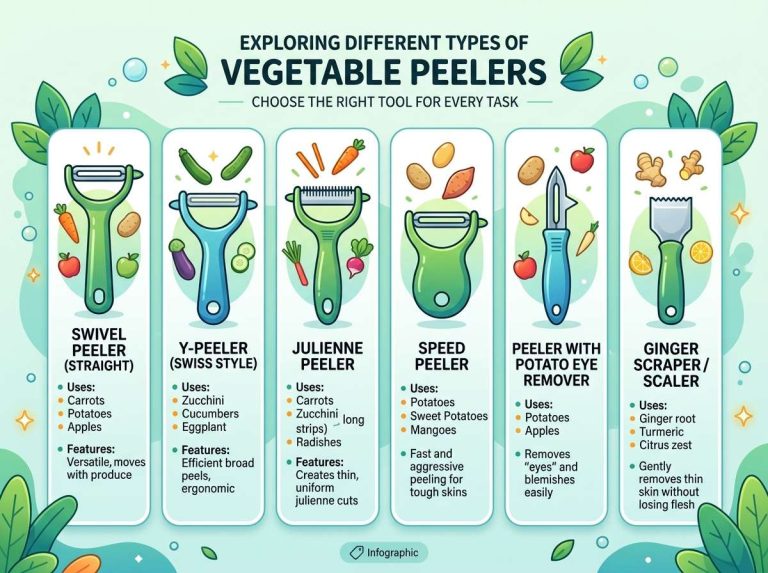
This is the classic design most people grew up using. The blade sits on a pivot and swivels back and forth as you move it across the vegetable. It follows the curve of the food naturally, so it works well on round or uneven shapes like potatoes, apples, and cucumbers.
Swivel peelers are usually easy to control and gentle on your wrist because the blade does the adjusting for you. Home cooks who peel a variety of produce tend to love this style the most.
Straight (Y-Shaped) Peelers
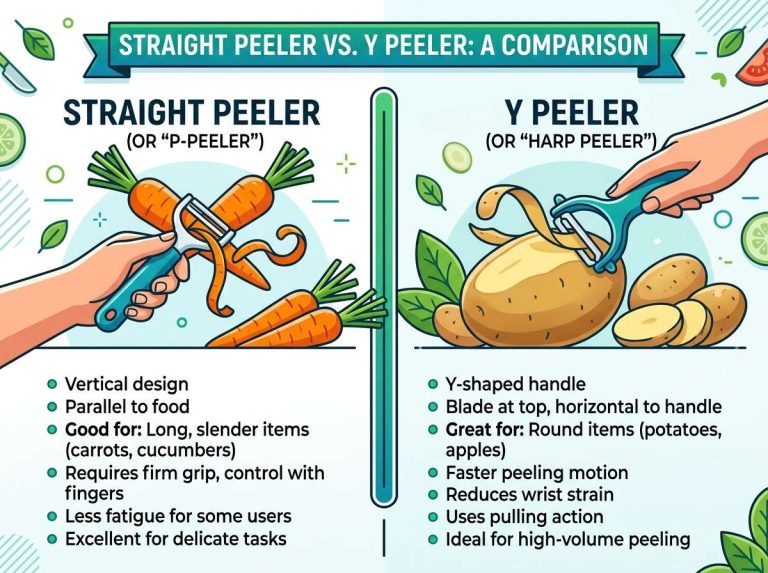
Also called Y-peelers because of their shape, these have a fixed blade set across the top like the letter Y. You hold the handle and pull the peeler toward you or push it away, similar to using a small hand plane.
Y-peelers are fast and give you more control over pressure, which makes them great for larger jobs like peeling a mountain of squash or tough-skinned root vegetables. Many professional cooks reach for this style because it lets them work quickly with long, even strokes.
Julienne Peelers
If you like making vegetable ribbons or thin matchstick strips for salads and stir-fries, a julienne peeler is worth having. It has small teeth along the blade instead of a smooth edge, so instead of a flat peel, you get thin strands that look like noodles.
This type is more of a specialty tool. It will not replace your main peeler, but it is a fun addition if you enjoy cooking creative dishes or want to sneak more vegetables into meals in a fun way.
Serrated Peelers
Serrated peelers have tiny teeth along the blade, similar to a mini bread knife. They shine when dealing with soft-skinned fruits and vegetables like tomatoes, peaches, or kiwis, where a regular blade might slip or bruise the flesh.
If you cook a lot of soft produce, this is a smart second peeler to keep around, even if it is not your main one.
Electric Peelers
For anyone who peels large batches of vegetables often, an electric peeler can be a lifesaver. Drop in a potato, turn it on, and let the machine do the spinning and peeling for you. These are popular in bigger households or for people who meal prep in bulk.
They take up more counter space and need a bit of cleaning after each use, but the time saved is huge if peeling twenty pounds of potatoes is part of your regular routine.
Blade Material: What Actually Holds Up
The blade is the heart of any peeler, so this part matters more than people think.
Stainless Steel Blades
Stainless steel is the most common material, and for good reason. It resists rust, stays sharp for a long time, and handles a wide range of vegetables and fruits without much trouble. If you want one reliable peeler that does not need much thought, stainless steel is a safe bet.
Carbon Steel Blades
Carbon steel blades tend to get even sharper than stainless steel, which means they slice through skins with less effort. The tradeoff is that they can rust if you leave them wet, so they need a little more care, like drying them right after washing.
Ceramic Blades
Ceramic peelers are lightweight and hold their edge for a long stretch of time. They also will not react with acidic foods, which is handy if you peel a lot of citrus or tomatoes. The downside is that ceramic can chip or crack if dropped, so it is not the toughest option in a busy kitchen.
Handle Design and Comfort
You will be gripping this tool a lot, so the handle matters just as much as the blade.
Grip and Material
Rubber or silicone handles give you a better grip, especially when your hands get wet or slippery from vegetable juice. Plastic handles are lighter and cheaper but can feel slick over time. Wooden handles look nice and feel warm in the hand, though they need a bit more upkeep to avoid cracking.
Shape and Size
A handle that fits your hand well reduces strain, especially if you are peeling a large batch of vegetables. Look for a shape with a bit of curve or contour rather than a flat, straight bar. If you have arthritis or wrist pain, a thicker, cushioned handle is worth the extra few dollars because it takes pressure off your joints.
Weight Balance
A peeler should feel balanced in your hand, not heavy on one end. If the blade feels too light or the handle feels bulky and awkward, it throws off your control. Hold the peeler in the store if you can, or check reviews that mention how it feels in daily use.
Sharpness and Blade Angle
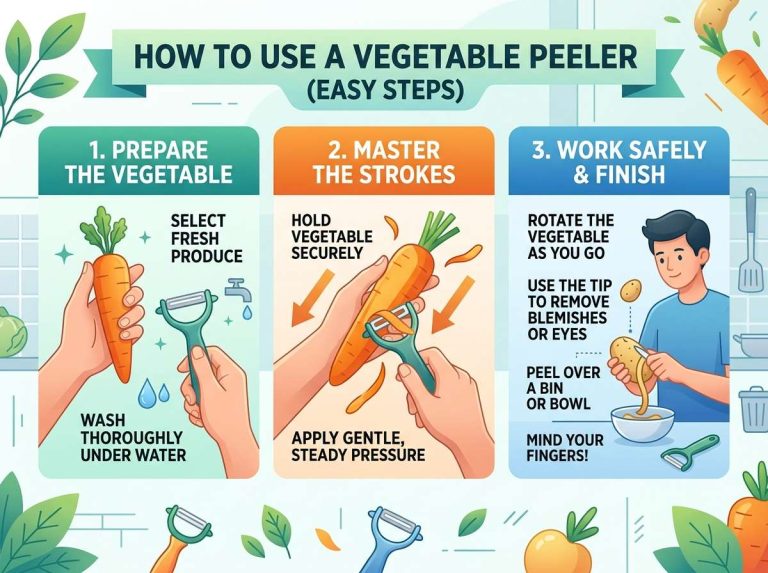
A sharp blade does not just work faster, it also makes peeling safer. A dull blade forces you to press harder, and pressing harder is exactly how accidents happen.
The angle of the blade also plays a role. A slightly angled blade glides more smoothly across curved surfaces, while a straight blade works better for flat, even strokes. Some higher-end peelers use a slight tilt that reduces the effort needed with each pass.
If you want a peeler that stays sharp without much fuss, stainless steel with a sturdy blade edge is usually your best bet for everyday use.
Safety Features Worth Looking For
Peelers are small and easy to underestimate, but the blade is still sharp enough to nick a finger if you are not careful. A few features can lower that risk.
Look for a peeler with a finger guard, a small raised bump or curve near the blade that keeps your fingers away from the cutting edge. Non-slip handles also help a ton, especially when your hands are wet from washing produce. And if you have kids in the kitchen learning to cook, a peeler with a rounded, blunt tip is a smart pick since it avoids sharp points that could poke or scratch.
Cleaning and Maintenance
Nobody wants a kitchen tool that is a hassle to clean. Most peelers are dishwasher safe, but hand washing tends to keep the blade sharper for longer, especially with carbon steel models.
After washing, dry the peeler right away instead of letting it sit in a wet sink. Moisture sitting on the blade over time is what causes rust and dulling, even with stainless steel. A quick wipe after each use goes a long way toward keeping your peeler working like new.
Price Range: What You Get at Each Level
You do not need to spend a fortune to get a peeler that works well, but knowing what different price points offer helps set expectations.
Budget peelers (a few dollars) usually do the job for light, occasional use. They might dull faster and feel less comfortable in your hand, but they are fine as a backup or for someone who only peels vegetables once in a while.
Mid-range peelers offer a nice balance of comfort, sharpness, and durability. This is where most home cooks land, since these models tend to hold an edge well and have handles built for repeated use without wearing out.
Premium peelers often come from well-known kitchen brands and use higher-grade steel or ergonomic designs tested by professional chefs. These cost more, but they usually last for years and rarely need replacing, so the price evens out over time.
Matching the Peeler to Your Cooking Style
Not everyone needs the same peeler, so think about how you actually cook before deciding.
If you cook a wide range of vegetables and fruits regularly, a swivel peeler with a comfortable grip covers most bases. If you tend to peel large amounts at once, like prepping potatoes for a big family meal, a Y-peeler or even an electric model saves serious time. For those who enjoy fancier meal prep with ribboned vegetables or fresh salads, adding a julienne peeler to your toolkit opens up more options. And if soft fruits like peaches or tomatoes show up often on your cutting board, a serrated peeler prevents squished, bruised produce.
Many home cooks end up owning more than one type, since each style shines in different situations. Having a main peeler and a specialty one is common and not overkill at all.
Common Mistakes to Avoid When Buying a Peeler
A few small mistakes trip people up more than you would expect.
Buying based on looks alone is one of them. A sleek, colorful peeler might catch your eye, but if the blade dulls fast or the handle feels awkward, the look stops mattering pretty quickly. Ignoring handle comfort is another common slip, especially for anyone who peels vegetables often or has hand or wrist issues.
Skipping the blade material is also a mistake, since this decides how long the peeler stays sharp and how much upkeep it needs. And going too cheap on a tool you will use almost daily often means replacing it sooner than expected, which ends up costing more in the long run.
Quick Tips for Longer Peeler Life
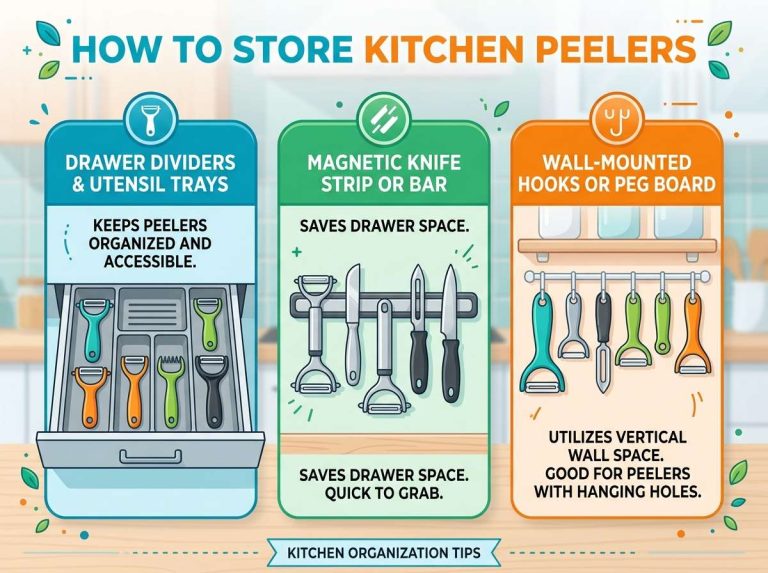
A few small habits keep your peeler working well for a long time. Dry it fully after washing, since trapped moisture is the main cause of rust and dullness. Store it somewhere it will not bang against other utensils, since a knife block slot or a small drawer divider works better than tossing it loose in a drawer. If the blade starts to feel like it is dragging instead of slicing smoothly, that is your sign it is time for a replacement, since most peelers are not built to be sharpened like a knife.
Final Thoughts
A vegetable peeler is one of those small kitchen tools that quietly makes cooking either easy or annoying. The right one glides through skins with barely any effort, feels comfortable in your hand, and lasts for years without much fuss. The wrong one turns a two-minute task into a frustrating chore.
Think about how often you cook, what kinds of produce you peel most, and how your hand feels holding the tool. From there, the type, blade material, and price range that fits your kitchen becomes an easy call. A good peeler is not expensive or complicated, it just needs to match the way you actually cook.

Mary is a home cooking enthusiast and kitchen gear reviewer with a passion for practical cookware and food preparation tools. She enjoys testing cutting boards, knives, kitchen gadgets, and other cooking essentials to help home chefs make smarter buying decisions. Through KitchenCutting.com, Mary shares honest product reviews, buying guides, and helpful kitchen tips to make cooking easier, safer, and more enjoyable.