How to Use a Vegetable Peeler?
If you’ve ever stood in your kitchen holding a vegetable peeler and felt confused about which direction to push or pull, you’re not alone. This simple tool has saved countless home cooks time and energy in the kitchen. Whether you’re prepping ingredients for dinner or getting vegetables ready for storage, knowing how to use a vegetable peeler properly makes the whole process faster, safer, and more enjoyable.
In this article
In this guide, you’ll learn everything you need to know about using a vegetable peeler like a pro. From holding the tool correctly to peeling different types of produce, we’ll walk through each step so you can feel confident in your kitchen.
What Exactly Is a Vegetable Peeler?
A vegetable peeler is a handheld kitchen tool that removes the thin outer layer of skin from produce. Most peelers have a handle and a slot or blade that scrapes away the peel without taking too much of the edible part beneath.
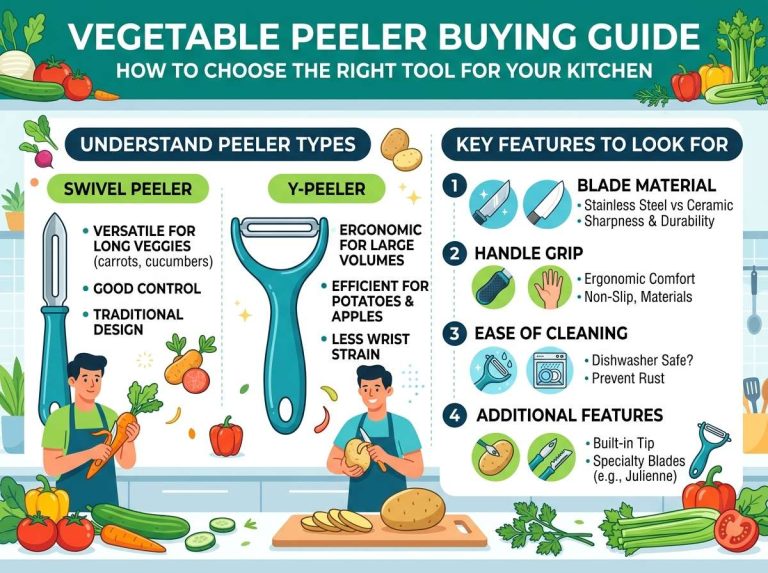
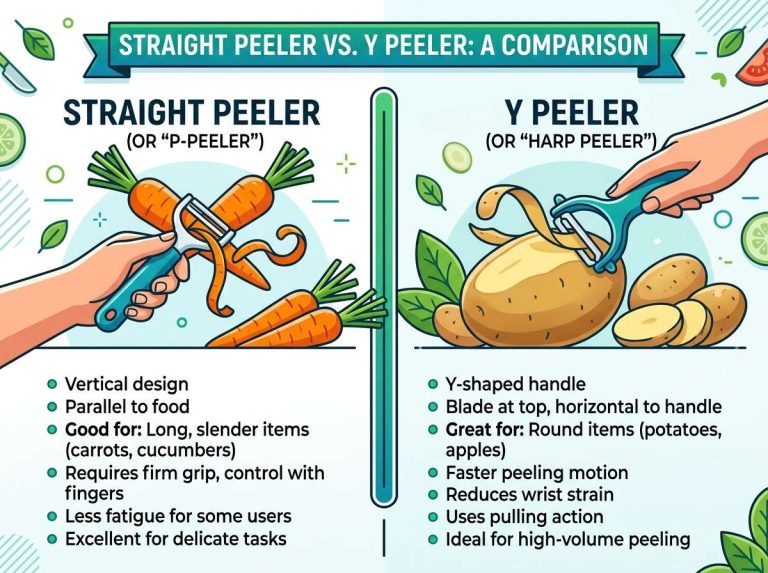
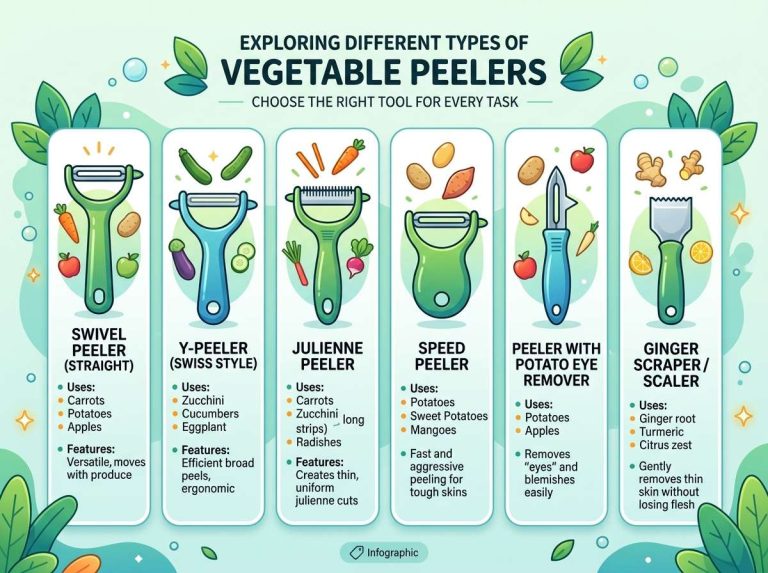
The most common types you’ll see in stores are the Y-shaped peelers and the straight-handled varieties. Both work well, and the one you choose often comes down to personal preference. Y-shaped peelers have a blade in the middle that faces you as you work, while straight-handled peelers look more like a rectangular tool with a blade on top.
Some peelers come with extra features like a small notch for removing potato eyes or a serrated blade for tougher skins. Knowing what you have in your drawer helps you use it to its full potential.
Why You Should Use a Vegetable Peeler
Before we dive into the how, let’s talk about why using the right tool matters. A vegetable peeler does several things that make cooking easier:
First, it removes skin quickly and with minimal waste. Trying to peel with a knife means you lose more of the vegetable. A proper peeler takes off just the thin outer layer.
Second, it’s safer than a knife for many people. The peeler’s small blade reduces the risk of deep cuts compared to slicing with a sharp kitchen knife.
Third, it saves time. You can peel a pile of carrots or potatoes in half the time it would take with other methods.
Finally, a peeler gives you a clean, finished look for your dishes. Whether you’re making a raw salad or roasted vegetables, properly peeled produce looks more polished.
Choosing Your Grip: How to Hold a Vegetable Peeler
The way you hold your peeler makes all the difference between an easy task and a frustrating one. Let’s break down the proper grip.
For Y-Shaped Peelers
Hold the handle with your dominant hand, keeping your fingers relaxed around it. Your thumb should rest on one side of the handle, and your other fingers should wrap around the back. Think of it like holding a pencil, but with a bit more contact across your palm.
The blade should face away from your body. Your hand should stay in a natural position, not twisted or bent awkwardly.
For Straight-Handled Peelers
Grip the handle firmly but not tensely. Your thumb and forefinger should be near the blade end for better control. The other fingers wrap around the back for support.
Keep your wrist straight and let the tool do the work rather than forcing it.
Preparing Your Vegetable Properly
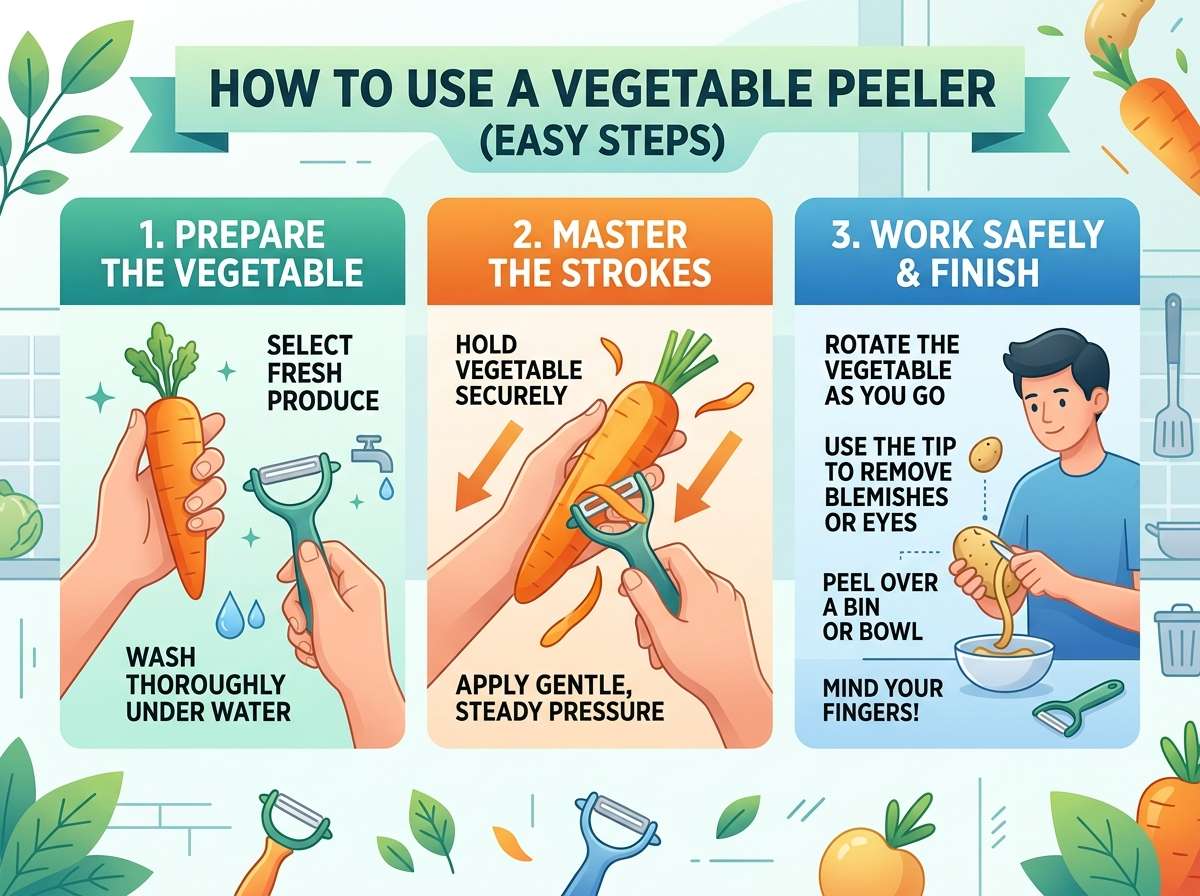
Before you start peeling, make sure your vegetable is ready. Rinse it under cold water and pat it dry with a clean towel. A wet vegetable is slippery and harder to control safely.
For items like potatoes or carrots, you don’t need to cut them into smaller pieces first. Hold the whole vegetable in your non-peeling hand. For longer produce like zucchini or cucumbers, you can hold them whole or cut them in half for easier handling.
Make sure your work surface is clean and stable. A cutting board or kitchen counter works fine. Having good lighting helps too, so you can see what you’re doing clearly.
The Basic Peeling Technique
Now let’s get into the actual peeling process. This is where most people get stuck, so pay close attention.
Holding the Vegetable
Grip the vegetable firmly in your non-peeling hand, but not so tight that you leave marks. For round items like potatoes or apples, hold them with your palm up and fingers curled slightly around the top. This position keeps your fingers away from the blade.
For longer vegetables like carrots or zucchini, you can hold them along their length, resting them in your palm. Just keep your fingers tucked in a bit to protect them.
Making the First Stroke
With a Y-shaped peeler, start at the top of the vegetable. Push the peeler downward away from your body in one smooth motion. Let the blade make light contact with the skin, not digging in hard.
With a straight-handled peeler, pull the tool toward your body in a smooth stroke. Again, use gentle pressure rather than force.
The key is letting the peeler’s sharp blade do the cutting work. You’re not scrubbing or sawing at the vegetable. One smooth stroke should remove a thin strip of peel.
Working Your Way Around
After making one strip, rotate the vegetable slightly and make another stroke. Keep turning the vegetable and peeling until you’ve covered the entire surface.
You might need to go over some areas a second time to catch any rough spots or remaining skin. That’s perfectly normal and part of the learning process.
The End Game
As you get near the end of the vegetable, be extra careful. Your hand gets closer to where you’re peeling, so there’s more risk of nicking yourself. Some people like to stop peeling when the vegetable gets too small to hold comfortably.
Peeling Different Types of Vegetables
Different vegetables have different skin thicknesses and textures. Knowing how to adjust your technique helps you work more efficiently.
Soft-Skinned Vegetables
Zucchini, cucumbers, and other tender vegetables need a light touch. Use minimal pressure with your peeler. Often just a single pass around the vegetable is enough. These vegetables peel quickly, so don’t rush.
Root Vegetables
Carrots, potatoes, and parsnips have thicker skins. You can use a bit more pressure with these, but still avoid digging too deep. Some people like to peel root vegetables in a kitchen sink because the thin peels are easy to clean up. You might need two or three passes to remove all the skin from these tougher options.
Apples and Pears
These fruits peel well with a vegetable peeler, though you can also use a knife. The skin comes off pretty easily. Just watch your fingers since these are small and round. Some people like to peel them over a bowl or sink to catch the peels as they fall.
Broccoli and Cauliflower Stems
You can peel the tough outer layer off broccoli and cauliflower stems to reveal the tender part inside. Use gentle pressure and work carefully around the surface. Once peeled, these stems are tender enough to eat raw or cook with the florets.
Onions
You typically don’t use a peeler for onions. Their papery skin comes off better with your fingers or a knife. Trying to peel an onion with a peeler usually just crushes it and makes a mess.
Common Mistakes to Avoid
Even experienced cooks make peeling mistakes. Here are some traps to watch out for.
Pressing Too Hard
The biggest mistake beginners make is using too much force. You end up removing too much vegetable along with the peel. Trust your peeler’s sharp blade and use just light pressure.
Working Too Fast
Speed comes with practice. When you’re learning, go slowly. Rushing leads to uneven peeling and increases your risk of cutting yourself.
Not Controlling the Vegetable
If you can’t control the item you’re peeling, you can’t peel it safely or effectively. Practice holding produce firmly but gently. If something slips, stop and get a better grip before continuing.
Forgetting About the Blade
Your peeler’s blade is always sharp and ready to cut. Never assume it’s dull or safe to touch. Always treat it with respect, especially when you’re tired or distracted.
Peeling in the Wrong Direction
For Y-shaped peelers, push away from your body. For straight-handled versions, pull toward yourself. Doing this wrong makes the job harder and less safe.
Safety Tips for Vegetable Peeling
Safety should always be your top priority in the kitchen. Here’s how to peel safely every time.
Secure Your Vegetable
Before you start peeling, make sure you have a solid grip. If you can’t hold it still without effort, use a cutting board with a towel underneath to prevent sliding. Some people even use a small holder device designed to grip vegetables securely.
Keep Your Fingers Clear
Always keep your fingers on the vegetable far away from where you’re peeling. As you get near the end, move your hand to a safer position or stop peeling altogether.
Use Proper Lighting
Good light helps you see what you’re doing and avoid accidents. If your kitchen is dim, move to a brighter area or turn on extra lights before you start.
Stay Focused
Don’t peel while talking on the phone, watching TV, or doing something else that distracts you. Kitchen tools deserve your full attention, even if the task seems simple.
Keep Your Peeler Sharp
A dull peeler is actually more dangerous because you have to press harder, which makes slips more likely. If your peeler stops working well, it’s time to replace it.
Cleaning Your Peeler
After you finish peeling, take a moment to clean your tool properly. Rinse it under warm water and use a soft cloth to dry it. Most peelers are dishwasher safe, but hand washing helps them last longer.
If peel gets stuck in the blade area, use an old toothbrush to gently clean it out. Never put your fingers on the blade when cleaning.
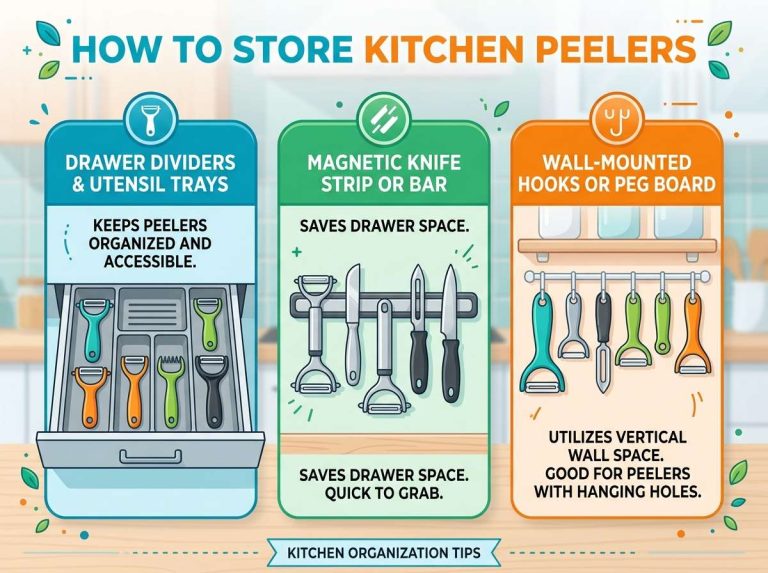
Store your peeler in a safe spot where the blade won’t get damaged and where it won’t hurt anyone reaching for it. A kitchen drawer with other utensils works fine.
Practice Makes Perfect
Using a vegetable peeler is a skill that improves with practice. The first time might feel awkward, but after peeling just a few vegetables, you’ll start to build muscle memory and confidence.
Try peeling a variety of produce to get comfortable with different textures and shapes. Start with easier items like carrots before moving on to trickier vegetables like potatoes with their rough texture.
Don’t worry if you lose a bit more vegetable to waste at first. As you get better, you’ll peel more efficiently and lose less. This is just part of learning.
When to Replace Your Peeler
Over time, even good quality peelers eventually get dull or damaged. You’ll notice the blade stops cutting cleanly and you have to press harder to remove the peel.
When this happens, it’s time to invest in a new peeler. A fresh one is sharp, works efficiently, and makes the task feel brand new again. Peelers are affordable, so there’s no reason to struggle with a worn-out one.
Some people keep several peelers on hand. Having different types available means you can grab whichever one feels right for the task at hand.
Recipes and Dishes That Benefit from Properly Peeled Vegetables
Now that you know how to peel like a pro, put your skills to work in actual cooking. Peeled vegetables shine in many dishes.
Creamy vegetable soups rely on tender, peeled vegetables that cook evenly. Roasted root vegetables look beautiful when peeled first. Salads with raw vegetables get a more refined appearance with peeled items. Vegetable stir-fries cook faster and more evenly when peeled.
Even simple dishes like mashed potatoes start with properly peeled spuds. The texture and presentation improve when you take the time to peel beforehand.
Your Path Forward
You now have all the knowledge you need to use a vegetable peeler confidently and safely. Remember these key points: hold your tool with a relaxed grip, use light pressure and smooth strokes, keep your fingers protected, and practice regularly.
The vegetable peeler is one of the most useful tools in any kitchen. Once you master it, you’ll wonder how you ever managed without it. Every time you pick one up, you’re investing in faster meal prep and better-looking food on your plate.
Start with one vegetable today. Hold it steady, make gentle strokes, and watch as the peel comes away cleanly. You’ve got this. Happy peeling!

Mary is a home cooking enthusiast and kitchen gear reviewer with a passion for practical cookware and food preparation tools. She enjoys testing cutting boards, knives, kitchen gadgets, and other cooking essentials to help home chefs make smarter buying decisions. Through KitchenCutting.com, Mary shares honest product reviews, buying guides, and helpful kitchen tips to make cooking easier, safer, and more enjoyable.