Best Brisket Trimming Knife In 2026
As an Amazon Associate we earn from qualifying purchases.
In this article
Trimming a brisket can feel intimidating at first. The fat cap is thick, the grain runs in two directions, and a dull blade can make the job frustrating. A good brisket trimming knife makes the work cleaner and far more comfortable.
This guide is for beginners who want to find the best brisket trimming knife without wading through confusing jargon. It covers five products that share a common purpose: cutting, trimming and portioning meat, with blades meant for backyard barbecue and home kitchens. The comparison rests on the listed features and typical use, not on personal testing.
Each product here has a long, fairly flexible or narrow blade, a handle designed for control, and a price that runs from budget to premium. Some come as sets, while others are single knives. The sections below explain how they differ so you can match one to your needs.


1. Cutluxe Butcher Knife Set: best for a complete BBQ toolkit
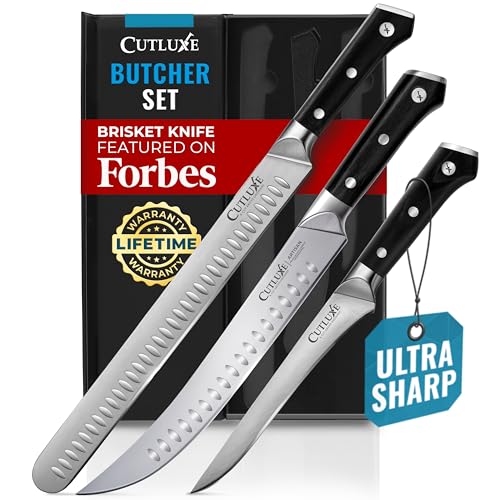
The Cutluxe Butcher Knife Set is a three-piece collection built around different meat jobs. It includes a 12-inch brisket knife, a 10-inch breaking knife and a 6-inch boning knife. It suits someone who wants a full set rather than a single blade.
What it is and who it suits
This set is designed for people who cook large cuts of meat and want a tool for each step. Breaking down a larger piece, trimming fat and portioning slices each have their own knife in the set. It is also a common choice for a barbecue gift.
Best use cases
The longer brisket knife handles big, flat cuts and long slicing strokes. The breaking knife is meant for dividing larger primal sections, and the boning knife handles tighter work around fat and joints. Together they cover most of the steps from raw cut to serving.
Key features in simple words
The blades are described as high carbon German steel, which is a type of steel that holds a sharp edge well and is listed as rust resistant. The handles are Pakkawood, a laminated wood known for resisting moisture, and the full-tang design means the blade runs through the entire handle for added strength.
What daily use usually feels like
Because the set has three knives, you will switch between them often. The longer blades suit broad cuts, while the shorter boning knife is easier to maneuver in small spaces. Most people find that a set like this takes a little time to learn which knife to reach for.
Performance and ease of use
The blades are described as ultra sharp, which should help them slice through fat and meat with less pressure. The handles are described as ergonomic, meaning shaped to fit the hand, so the grip should feel secure during longer sessions. Cleaning and drying by hand is the safest way to keep the edges and wood in good shape.
Value for money
At the higher end of this list, the set offers three knives in one purchase. For someone who would otherwise buy each knife separately, the bundle may feel like good value. For a person who only trims brisket occasionally, a single knife may be a more economical choice.
Pros
- Three knives cover breaking, trimming and slicing in one set.
- High carbon German steel blades are described as rust resistant.
- Full-tang Pakkawood handles are designed for a secure grip.
- Makes a practical gift for a barbecue lover.
Cons
- The higher price may be more than a casual cook needs.
- Three knives means more to store and clean.
- Beginners may need time to learn which knife suits each task.
2. DRGSKL Boning Knife 7 inch: best for precise trimming with a Japanese-style blade
The DRGSK Boning Knife 7 inch is a single, narrow blade aimed at close work. It suits someone who wants a precise tool for trimming fat and separating meat from bone, rather than a large set.
What it is and who it suits
This knife is built for detailed tasks.
Its narrow, tapered blade and sharp point help with maneuvering around joints and trimming fat from the surface of a brisket. It suits a cook who values control over size.
Best use cases
The boning knife works well for trimming the fat cap and removing silver skin. It can also handle poultry and pork, according to the product description. Because it is shorter than a slicing knife, it is easier to control on smaller pieces.
Key features in simple words
The blade is made from ATS-34 steel, a high-carbon steel that is described as hard and fine-grained. The edge is sharpened in a multi-stage wet grinding process, which is a method of sharpening with water to keep the blade cool. The handle is walnut wood with a finger groove and a metal spacer, plus a full tang for balance.
What daily use usually feels like
In everyday use, a narrow boning knife feels light and nimble. It is easy to guide along a curve of fat, but it is not designed for long slicing strokes. Most cooks pair it with a longer knife for the final portioning.
Performance and ease of use
The product description says the edge achieves superior precision, which suits clean, careful cuts. The walnut handle is described as ergonomic, so it should feel comfortable through longer trimming sessions. Hand washing and drying are recommended to protect the finish and the wood.
Value for money
This is a single knife at a moderate price, which makes it an accessible entry point. Buyers who only need one precise tool may find it a sensible choice. Those wanting a full set of cutting tools may prefer a bundle instead.
Pros
- ATS-34 steel is described as hard and fine-grained.
- The narrow blade suits precise trimming around fat and joints.
- Walnut handle with a finger groove is designed for a secure grip.
- Comes in gift-ready packaging.
Cons
- A single boning knife does not cover slicing or breaking tasks.
- Hand washing is recommended, which adds routine care.
- The narrow blade is less suited to long, broad cuts.
3. HOSHANHO Carving Knife Set 3PCS: best for a Japanese-style set with a gift box
The HOSHANHO Carving Knife Set brings three knives together with a Japanese-inspired design. It includes a 12-inch carving knife, a 10-inch brisket knife and a 7-inch fillet knife. It suits someone who wants a complete set with a more traditional feel.
What it is and who it suits
This set is designed for carving large cuts and handling a range of meats. The product description also mentions fruit, so it may appeal to people who use one set for many kitchen jobs. It is a practical option for grilling and camping.
Best use cases
The brisket knife handles long slices, while the carving knife covers roasts and ribs. The fillet knife is meant for finer work around bone and fat. The set is described as suitable for home kitchens and more demanding cooking.
Key features in simple words
The blades are described as hand-ground with a 15-degree edge, which is a fairly fine angle that cuts cleanly. The steel is listed as 10Cr15CoMoV, a Japanese high-carbon steel. The handle is Pakkawood with a curved shape meant to fit the fingers.
What daily use usually feels like
Because the set includes three knives, you will switch between them depending on the task. The curved handle is described as reducing fatigue during long use, which can matter during a long carving session. Most users find a set like this takes some practice to use well.
Performance and ease of use
The bl ade is described as ultra-thin, which the product says helps prevent tearing and sticking. That can make it easier to slice through meat without pulling apart the surface. The Pakkawood handle is also described as comfortable, so it should feel steady during repeated cuts. Hand washing and drying are the safest way to protect the edges and the wood.
Value for money
This set sits at the higher end of the price range in this guide. For that price, you get three knives and a gift box in one purchase. Buyers who want a full carving kit may find the value reasonable, while those who only trim occasionally may prefer a single knife.
Pros
- Three knives cover carving, brisket slicing and fine fillet work.
- Japanese high-carbon steel is described as hard and resistant to fracture.
- Curved Pakkawood handle is designed to reduce hand fatigue.
- Comes in a gift box, which suits a present for a cook.
Cons
- The higher price may be more than a casual cook needs.
- Three knives means more pieces to store and clean.
- Beginners may need practice to know which knife suits each job.
4. DRAGON RIOT Premium Boning Knife: best budget pick for light trimming
The DRAGON RIOT Premium Boning Knife is a six-inch, lightweight blade with a low price. It suits someone who wants an affordable tool for trimming brisket fat and everyday meat cutting. It is a practical starting point for beginners.
What it is and who it suits
This knife has a narrow, curved blade with a pointed tip. It is aimed at trimming and boning rather than long slicing. It suits a cook who wants a simple, inexpensive knife for regular use.
Best use cases
The curved blade is described as moving easily through meat, which helps with trimming brisket and beef fat. It can also handle fish and poultry, according to the product description. Because the blade is short, it works best on smaller pieces and detailed cuts.
Key features in simple words
The edge is hand-polished to a 14 to 16-degree angle on each side, which is a fine edge for clean cuts. The knife weighs about 100 grams, which the product describes as very light. The handle is a textured, glass-reinforced nylon that is designed to resist slipping.
What daily use usually feels like
A light knife like this feels nimble in the hand. It is easy to guide around curves of fat, though it may feel less solid on thick, dense cuts. Many users find it handy for quick trimming tasks rather than heavy work.
Performance and ease of use
The hollow areas along the side of the blade are described as reducing sticking, which can help when working with fatty meat. The grip is described as comfortable and non-slip, which supports control. It is also described as easy to clean, which suits a busy kitchen routine.
Value for money
This is the lowest-priced item in this guide, which makes it an accessible option for beginners. It offers a focused, single-blade tool without a large upfront cost. Those who need a heavier, more durable knife for frequent use may want to look at a higher-priced option.
Pros
- Low price makes it an accessible choice for beginners.
- Lightweight design is described as easy on the hand.
- Curved blade with hollow sides is designed to reduce sticking.
- Non-slip handle is described as comfortable and secure.
Cons
- A light blade may feel less solid on thick, dense cuts.
- The short blade is less suited to long slicing strokes.
- Its single-blade focus means it does not cover every meat task.
5. Naitesen Professional Brisket Carving Knife Set: best for a hand-forged two-piece set
The Naitesen Professional Brisket Carving Knife Set is a two-piece set with a long brisket knife and a shorter boning knife. It suits someone who wants a focused pair of knives with a hand-forged look. It is also described as a strong gift choice for men who cook.
What it is and who it suits
This set pairs one longer carving knife with one smaller boning knife. The pair covers the main jobs of slicing a finished brisket and trimming fat before cooking. It suits a cook who wants two well-matched tools rather than three.
Best use cases
The 10-inch brisket knife is meant for long, even slices through cooked meat. The 6.5-inch boning knife handles trimming fat, sinew and small cuts. Together, the two knives cover most barbecue prep and serving steps.
Key features in simple words
The blades are hand-forged from 5Cr15MoV, a high-carbon steel that is listed with a hardness of 56 or more on the Rockwell scale, which is a common way to measure how hard steel is. The edge is set at 13 to 15 degrees per side, a fairly fine angle. The handle is wood, and the blade runs through its full length with three rivets for strength.
What daily use usually feels like
Using a two-knife set means you will switch between a long slicing knife and a short trimming knife. The longer blade feels steady for broad strokes, while the boning knife feels quick for detail work. Most cooks find the pair easy to reach for once they learn each knife’s role.
Performance and ease of use
The product description says the knives are very sharp, which should help them cut cleanly through meat. The full-tang wooden handle is described as smooth and well carved, which supports a steady grip. Hand washing and drying are the safest way to keep the edges and wood in good condition.
Value for money
This set sits in the middle of the price range in this guide. For two knives and a gift box, the price is reasonable for a buyer who wants a focused pair. Those who need a third knife for breaking large cuts may prefer a three-piece set instead.
Pros
- Two knives cover slicing and trimming in one set.
- Hand-forged blades are described as very sharp.
- Full-tang wooden handle with three rivets is described as strong.
- Comes in a gift box, which suits a present for a cook.
Cons
- Two knives may not cover breaking or heavy-duty tasks.
- The wooden handle requires hand washing and careful drying.
- The Viking-style pattern may not suit every taste.
Comparison insights: how these brisket trimming knives differ
The five knives in this guide split into three groups. Two are multi-knife sets, two are single boning knives, and one is a two-piece set. Each group suits a different kind of cook and budget.
In terms of performance, the sets offer the widest range of cutting tasks. The single boning knives excel at small, precise trimming but are less suited to long slices. The blades vary in steel type and edge angle, which affects how they feel during use.
For ease of use, the lightweight DRAGON RIOT knife is the simplest to handle for a beginner. The larger sets take more time to learn, since each knife has a different job. The handle design also varies, from Pakkawood to walnut to glass-reinforced nylon.
Value for money depends on how many knives you need. A single knife at a low price can be a smart first purchase. A full set may offer better value if you cook large cuts often and want a tool for each step.
Buying guide: key factors to consider in a brisket trimming knife
Start by thinking about the job. Do you mainly trim fat, or do you also need to slice, carve and break down larger cuts? A single boning knife suits trimming, while a set covers more steps.
Blade length matters. Longer blades, around 10 to 12 inches, suit broad slices through a cooked brisket. Shorter blades, around 6 to 7 inches, suit detail work and tight spaces.
Steel type affects shar pness and durability. High-carbon steel can hold a sharp edge well, but it needs more care to avoid rust. Stainless and rust-resistant options are easier to maintain, though they may need sharpening more often.
Edge angle also plays a role. A finer angle, such as the 13 to 16 degrees listed for some of these knives, tends to cut cleanly. A wider angle can feel sturdier but may slice less smoothly.
Handle comfort is important, especially if you cut for longer stretches. Look for a handle that fits your hand and feels secure when wet or greasy. A full-tang design, where the blade runs through the handle, is generally seen as stronger.
Weight is a personal choice. Lighter knives are easier to control for small cuts, while heavier knives may feel more solid on dense meat. Try to hold a knife before you buy if you can.
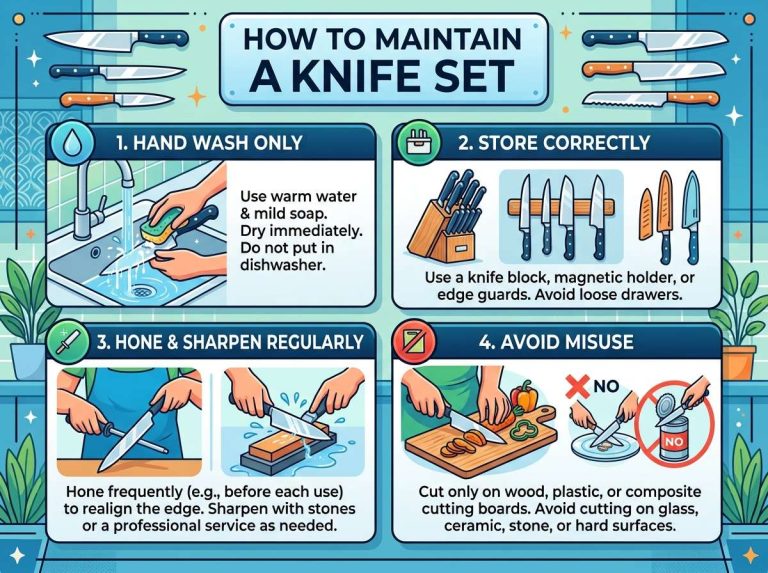
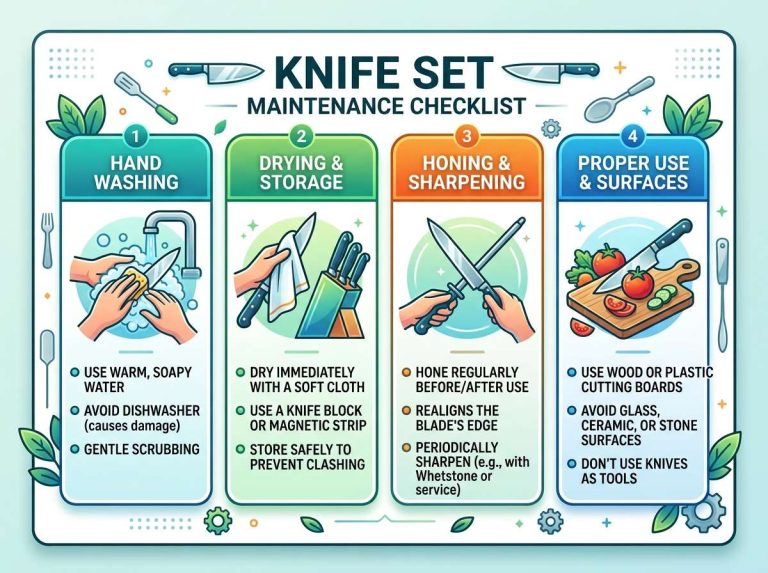
Care matters too. Most knives in this guide are best washed by hand and dried right away. Wood handles, in particular, can crack or warp if left wet for long periods.
Finally, consider budget and storage. A set means more pieces to clean and store, but it can be more economical than buying each knife separately. A single knife keeps the cost and clutter low.
Who should buy these brisket trimming knives
If you are a beginner who only trims brisket now and then, the DRAGON RIOT Premium Boning Knife is a sensible place to start. Its low price and light weight make it easy to try without a big commitment.
If you want precise trimming with a traditional feel, the DRGSKL Boning Knife 7 inch may suit you. Its narrow blade and walnut handle are geared toward careful, controlled cuts.
If you cook brisket often and want a complete toolkit, the Cutluxe Butcher Knife Set covers breaking, trimming and slicing. It works well for a serious home barbecue cook who wants a tool for each step.
If you want a set with a Japanese-inspired look and a gift box, the HOSHANHO Carving Knife Set offers three knives in one package. It suits someone who carves a lot and wants a presentable gift.
If you prefer two focused knives with a hand-forged appearance, the Naitesen Professional Brisket Carving Knife Set may appeal. It covers the main slicing and trimming jobs without a third knife.
Final verdict
There is no single best brisket trimming knife for everyone. The right choice depends on how often you cook, which tasks matter most and how much you want to spend. Each product here has a clear role.
For a beginner on a budget, the DRAGON RIOT Premium Boning Knife offers an easy entry point. For a complete barbecue toolkit, the Cutluxe Butcher Knife Set covers the most steps. Those who prefer two well-matched knives may favor the Naitesen set.
Frequently Asked Questions
What is the best knife for trimming brisket fat?
A narrow boning knife with a sharp, slightly curved blade is usually best for trimming fat. Shorter blades give more control around the fat cap.
The DRGSKL and DRAGON RIOT knives in this guide are both designed with this kind of work in mind.
Do I need a set of knives or just one?
One knife is enough if you mainly trim. A set makes sense if you also break down large cuts or carve a finished brisket often. Think about your typical cooking before deciding.
How long should a brisket knife be?
Longer knives, around 10 to 12 inches, suit slicing a cooked brisket in long, even strokes. Shorter knives, around 6 to 7 inches, suit trimming and detail work. Many cooks own one of each.
How should I clean and store these knives?
Most of these knives are best washed by hand with warm water and dried right away. Avoid leaving wooden handles wet for long periods. Store blades in a block, sheath or drawer insert to protect the edges.
Is a more expensive brisket knife always better?
Not always. A higher price often means more knives or a different steel, but it does not guarantee a better fit for you. A lower-priced knife can be a good choice if it matches the tasks you do most cooking. Start with the job you do most, then choose the tool that fits it.
Trimming brisket is a skill that improves with practice. A sharp, comfortable knife makes that practice much more enjoyable. Take your time, keep your blades clean and dry, and choose the knife that matches the way you cook.

Mary is a home cooking enthusiast and kitchen gear reviewer with a passion for practical cookware and food preparation tools. She enjoys testing cutting boards, knives, kitchen gadgets, and other cooking essentials to help home chefs make smarter buying decisions. Through KitchenCutting.com, Mary shares honest product reviews, buying guides, and helpful kitchen tips to make cooking easier, safer, and more enjoyable.