How Do You Cut A Ribeye Roast
A ribeye roast is a prized cut of beef known for its rich flavor and tender texture. Learning how to cut a ribeye roast correctly helps you serve professional-looking slices that retain their natural juices. Even high-quality meat can lose its appeal if the slices are uneven or torn.
This guide provides simple instructions for beginners. By following these steps, you will gain the confidence to carve your roast safely and effectively every time you serve a meal. Proper carving techniques ensure that every guest enjoys the full quality of the roast.
Key Takeaways
- Always let the meat rest for at least 20 minutes before you start carving.
- Use a sharp, long carving knife to make smooth, single-stroke cuts.
- Cut against the grain to ensure each slice is tender and easy to chew.
- Stabilize your cutting board with a damp towel to prevent it from sliding.
How to cut a ribeye roast
Cutting a whole ribeye roast may seem intimidating at first. The secret lies in preparation and the right technique. When you cut the meat properly, you improve the dining experience for everyone at the table.
This process involves more than just slicing. It starts with the right equipment and the physical condition of the meat. Taking your time ensures that you do not waste any of the expensive cut. Proper technique also helps you control the thickness of each portion.
Essential tools for carving beef
The quality of your tools determines the quality of your slices. Using the right equipment prevents you from tearing the meat or creating jagged edges. Investing in the correct gear makes the task safer and more efficient.
Picking the right knife
A long, sharp carving knife or a slicer is the ideal choice for a ribeye roast. These knives have thin, flexible blades that glide through the beef without resistance. Avoid using heavy chef knives for thin slices, as they lack the necessary reach and agility.
Ensure the blade is freshly sharpened before you begin. A dull knife requires more force, which increases the risk of slipping. If the knife has a serrated edge, use a gentle sawing motion rather than pressing down hard. Clean, single strokes produce the most attractive results.
Preparing your cutting surface
A large, stable wooden or plastic cutting board is necessary for this task. The board should be wide enough to hold the entire roast comfortably without the meat hanging over the edges.
Place a damp paper towel or a non-slip silicone mat under the board. This simple trick stops the board from sliding across the counter while you work. Safety is the priority whenever you handle sharp blades and heavy roasts.
A steady surface allows you to maintain full control over your knife movements.
How to prepare the meat for slicing
Before the knife touches the beef, the roast must be in the right state. Rushing this stage often results in dry, tough meat that loses its juices during the cutting process.
Proper preparation ensures that every slice remains tender and moist.
Resting the ribeye roast
Resting is the most important step in preparing any roast. Once you remove the beef from the oven, let it sit on a platter for 20 to 30 minutes. This allows the internal juices to redistribute throughout the muscle fibers.
If you cut the roast too soon, the juices will run out onto the board. This leaves the meat dry and flavorless. Patience here guarantees a much better result for your final presentation. Use a carving board with a groove around the edge to catch any stray liquids.
Positioning the roast on the board
Once the meat has rested, transfer it to your prepared cutting board. Position the roast so the long side runs parallel to the edge of the board. This orientation makes it easier to track the direction of the muscle fibers.
If your roast has a distinct fat cap, decide if you want to keep it on or trim it before slicing. Most people prefer to keep it for flavor, but you can remove excess fat if it is too thick. A stable surface, such as a heavy wood or bamboo board, prevents the meat from sliding while you work.
Step-by-step guide to slicing a ribeye roast
With your tools ready and the meat rested, you are prepared to begin the carving process. Focus on steady, controlled movements to get the best results. A sharp carving knife or a long, serrated bread knife works well for this task.
Identifying the grain of the meat
Look closely at the surface of the roast to find the grain. The grain refers to the direction in which the muscle fibers run. You want to see the lines of the muscle running from one end of the roast to the other.
When you cut, you want to slice across these lines. This shortens the fibers, making each bite much more tender. If you cut parallel to the grain, the slices will feel stringy and difficult to chew. Adjust your angle as needed if the grain shifts direction toward the ends of the roast.
Making clean, even slices
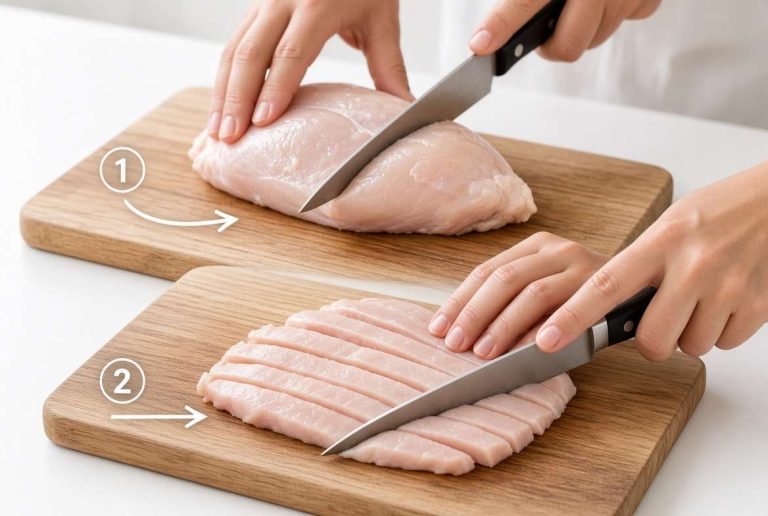
Place your non-cutting hand firmly on the roast to hold it steady. Keep your fingers tucked away from the path of the blade. Start the cut at the far end of the roast.
Use the full length of your knife blade. Draw the knife toward you in a single, fluid motion. Avoid pushing down or using a harsh, aggressive sawing motion. Let the sharpness of the blade do the work for you.
Aim for a consistent thickness across all slices for an even cook and better plate appearance.
Tips for consistent portion sizes
Consistency makes your meal look professional. Aim for slices that are uniform in thickness to ensure they cook or reheat at the same rate.
Adjusting thickness for preference
A standard thickness for a ribeye slice is about half an inch to three-quarters of an inch. If you prefer thicker portions, you can certainly cut them wider. Just remember that thicker slices take longer to chew.
Practice makes your cuts more even. If you are a beginner, take a moment to look at the first slice before you commit to the second. Adjust your hand position if you find the knife is drifting at an angle.
Managing the fat cap
The fat cap on a ribeye roast provides significant moisture and flavor. However, some guests may prefer leaner portions. You can decide to leave the fat intact or slice it off for those who do not want it.
If you notice large pockets of hard fat, you can trim these away before you start carving the main slices. Keep the remaining fat on the slices to ensure the meat stays juicy on the plate.
Frequently Asked Questions
Should I remove the bone before or after cooking?
It is usually best to leave the bone in during the cooking process. The bone acts as a heat conductor and adds flavor to the roast, keeping the meat moist. You can easily carve around the bone once the roast is finished.
How thick should a ribeye slice be?
A thickness of about half an inch is common for a standard serving. You can go up to one inch if you prefer a heartier portion. Whatever thickness you prefer, try to keep every slice the same so they look uniform on the plate.
Why is it important to cut against the grain?
Cutting against the grain shortens the muscle fibers in the beef. This makes the meat much easier to chew and improves the overall texture of the bite. If you cut with the grain, the meat will feel tough and stringy.
What is the best way to keep the roast stable while cutting?
Place a damp kitchen towel or a non-slip mat underneath your cutting board. This prevents the board from sliding while you apply pressure with the knife. You can also use a carving fork to hold the meat in place without touching it with your hands.
Can I use a regular kitchen knife for this task?
A standard chef’s knife can work if it is very sharp and the blade is long enough. However, a dedicated carving knife is thinner and much more efficient. A longer blade allows for smoother, cleaner cuts in a single motion.
Conclusion
Carving a ribeye roast is a simple skill that improves the quality of your meal. By resting the meat, identifying the grain, and using a sharp, long knife, you can create perfect slices every time.
Focus on your technique and take your time during the process. With the right tools and a bit of practice, you will find that preparing a ribeye roast is a rewarding part of your cooking routine.

Mary is a home cooking enthusiast and kitchen gear reviewer with a passion for practical cookware and food preparation tools. She enjoys testing cutting boards, knives, kitchen gadgets, and other cooking essentials to help home chefs make smarter buying decisions. Through KitchenCutting.com, Mary shares honest product reviews, buying guides, and helpful kitchen tips to make cooking easier, safer, and more enjoyable.