Vegetable Chopper Safety Tips
A vegetable chopper can save time in the kitchen, but its blades are sharp and need respect. Knowing a few vegetable chopper safety tips can help you prepare meals with less worry. This article explains how these tools work, where beginners often get hurt, and how to chop safely from start to finish.
You will also learn how to set up your chopper, how to handle hard and soft produce, and how to clean and store the blades. Simple habits make the biggest difference. Read on for practical steps you can use right away.
Key Takeaways
- Read the manual and check all parts before every use.
- Set the chopper on a flat, stable surface and keep hands clear of the blades.
- Use a pusher or food holder instead of your fingers.
- Clean and store blades carefully, handling them only by the safe edges.
- Choose the right tool for the food you are cutting.
What Is a Vegetable Chopper and Why Safety Matters
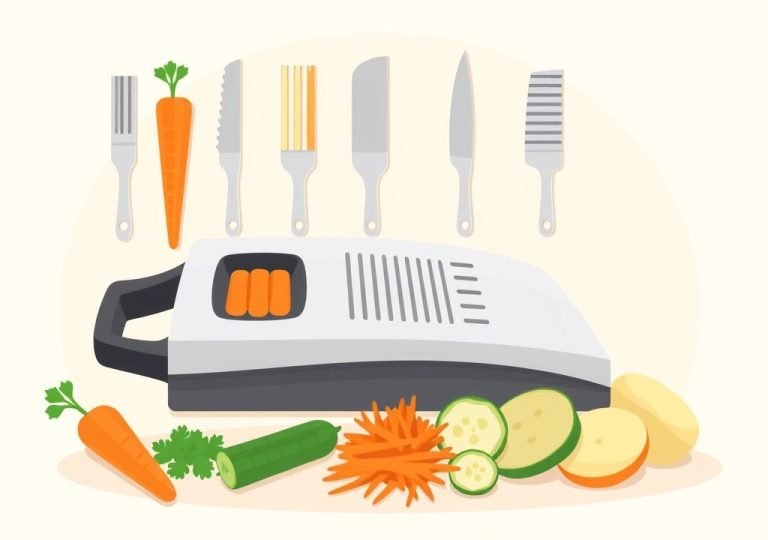
A vegetable chopper is a kitchen tool that cuts produce into even pieces. Most models use a set of blades inside a container or frame. You press food down or through the blades to make dice, slices or strips.
Safety matters because the blades are sharp by design. Even a small slip can cause a deep cut. Careful habits help you avoid most accidents, and they cost little or no time once they become routine.
How a Vegetable Chopper Works
Most manual choppers have a grid of fixed blades and a plunger or lid. You place the food in the container and press the handle down. The blades pass through the food and create uniform pieces.
Some models have a grater or slicer attachment. Others use a rotating blade. Knowing which parts move and which stay fixed helps you stay clear of danger. Check how your model is built before your first use, and note any parts that lock or release.
Common Injuries Beginners Face
The most common injury is a cut to the fingers or hand. These often happen when a person reaches into the container to push food down or to clear a jam. Slipping chopper bodies and dull or damaged blades can also cause problems.
Many injuries come from rushing. Beginners may chop too fast or skip the steps that keep hands away from the blades. Slowing down is one of the simplest protections you can give yourself.
Basic Safety Rules Before You Start
Good safety starts before you touch any food. A few checks at the beginning can prevent most problems. Take a minute to prepare your workspace and your tool.
Reading the Manual and Checking Parts
The manual explains how your specific chopper should be assembled, used and cleaned. Each model can differ, so reading the instructions matters. Look for warnings about blade placement and maximum food size.
Before each use, check that all parts are present and fit together. Look for cracks, bent blades or loose screws. If something seems damaged, stop and follow the manufacturer’s guidance rather than using it.
Setting Up on a Stable, Flat Surface
Place the chopper on a flat, dry counter that does not move. A damp or uneven surface makes slips more likely. Some people place a damp cloth or non-slip mat underneath to hold the base in place.
Keep the area clear of clutter and other tools. This gives you room to work and reduces the chance of knocking something into the blades. Good lighting also helps you see what you are doing, especially when you handle small pieces.
Keeping Hands and Fingers Clear of Blades
Your hands should never go near the blades while the chopper is in use. Use the pusher or plunger that comes with the tool. If food gets stuck, unplug an electric model or stop the manual motion, then remove the blade assembly before reaching in.
It also helps to keep loose sleeves and long hair away from the work area. These can catch on moving parts. Simple care keeps your hands out of harm’s way.
Step-by-Step Safe Chopping Method
Clear, ordered steps help you chop with confidence, so you can finish the job without rushing. Each stage reduces a different kind of risk.
Work through the steps below in order. Each one builds on the last, and together they cover the most common risks.
Preparing and Trimming Your Vegetables
Start by washing your produce and patting it dry. Wet skin can make food slippery and harder to hold. Dry produce sits more securely in the container.
Next, trim the food so it fits the chopper. Cut off any woody ends, stems or uneven edges. Smaller, flatter pieces are easier to press through the blades.
Cut large or round items in half first. This creates a stable base that will not roll during chopping. Stability is one of the key ideas behind safe chopping.
Using a Guide, Pusher, or Food Holder
Most choppers include a pusher, plunger or food holder. Use it every time instead of your fingers. The tool keeps your hand a safe distance from the blades.
Some models have a guard or lid that must close before the blades will work. Do not try to bypass this feature. It exists to protect you during use.
Press down with steady, even pressure. Forcing food too hard can bend blades or cause the chopper to slip. If the food resists, stop and check if the piece is too large.
Cleaning Blades Without Cutting Yourself
Cleaning is when many cuts happen, because the blades are still sharp even when the tool is not running. Always unplug electric models first. Then carefully remove the blade assembly, following the manual.
Hold blades by their plastic or rubber base, not the cutting edge. Rinse them under warm water and use a brush to clear food from between the blades. Let them air dry on a towel before storing.
Safe Vegetable Chopper Use for Different Foods
Different foods behave differently under the blades. Hard produce needs more care than soft produce. Adjusting your approach helps you avoid strain and slips.
Hard Vegetables Like Carrots and Potatoes
Hard vegetables require firm pressure. Cut them into shorter, flatter pieces first so they fit easily. Avoid trying to force a whole carrot or potato through the blades.
If the chopper stalls, stop and reduce the piece size. Pushing harder can cause the tool to shift. A steady, controlled motion is the safer choice.
Soft and Round Produce Like Tomatoes and Onions
Soft produce can squish and slide. Use a gentle, even press and keep the food centered. Removing skins or cores beforehand can also help keep the pieces intact.
Round foods such as onions and tomatoes tend to roll. Cut a flat side first and place it face down. This keeps the food steady as you chop.
Manual Choppers Versus Electric Food Processors
Manual choppers and electric food processors both cut food, but they carry different risks. Knowing the difference helps you choose the right tool for your kitchen.
Safety Differences Between Manual and Electric Models
Manual choppers rely on your own pressure, so you control the speed. There is no motor running on its own. You must still keep your hand clear of the blades at all times.
Electric processors have powerful motors that can cut quickly. Many include safety locks that stop the motor when the lid is off. Still, the blades remain sharp and must be handled with care.
Which Type Suits a Beginner Best
For many beginners, a simple manual chopper offers a gentle learning curve. It is easy to control and has fewer moving parts. Electric models can be useful for larger batches, but they require more caution at first.
The best choice depends on your cooking habits and comfort level. Read the safety notes for either type before you start.
Storing and Maintaining Your Chopper Safely
Proper storage protects both you and the tool. Sharp blades stored carelessly can cause injuries when you reach into a drawer. Regular checks keep the chopper working well.
Safe Storage of Sharp Blades
Store blades in their original case or a dedicated holder if one is provided. Keep them on a high shelf or in a drawer with a divider so that no loose edge is exposed. Never store blades loose in a crowded utensil drawer where they can be grabbed by accident.
Make sure the blades are completely dry before putting them away. Moisture can lead to rust and dull the edges over time. Wrap the blade assembly in a towel or cover it if the holder allows.
Routine Checks for Loose or Worn Parts
Take a few minutes each week to look over your chopper. Check that screws and fasteners are tight and that no plastic parts are cracked. Look at the blades for chips, bends or dull spots.
Replace any part that looks damaged, and follow the manufacturer’s guidance on replacement parts. A loose blade can shift during use and cause a cut. Good maintenance keeps your chopper predictable and easier to control.
Frequently Asked Questions
Can children use a vegetable chopper?
Children can take part in food prep, but blades should stay out of their hands. Many manufacturers suggest that young children only watch or help with tasks away from the blades. An adult should always supervise any child who uses a chopper.
Do I need gloves when using a vegetable chopper?
Gloves are not required for most manual choppers, but some cooks wear cut-resistant gloves for extra protection during cleaning. The most important protection is keeping your hands away from the blades. Gloves never replace careful habits.
Is it safe to put chopper blades in the dishwasher?
Some blade assemblies are labeled as dishwasher safe, while others are not. Check the manual before placing any blade in the dishwasher. Hand washing is often the safer choice because it lets you see and handle the blades carefully.
What should I do if I cut myself while chopping?
Stop right away and move away from the tool. Apply firm pressure with a clean cloth to slow any bleeding. For deep cuts, cuts that will not stop bleeding, or cuts that may need stitches, seek medical care promptly.
How do I know when a chopper blade needs replacing?
Look for chips, bends, rust or blades that no longer cut cleanly. If food is crushed rather than sliced, the blades may be dull. Follow the manufacturer’s guidance on replacement and avoid sharpening blades unless the manual says it is safe.
Conclusion
Vegetable chopper safety comes down to a few steady habits. Read the manual, set up on a stable surface, and keep your hands clear of the blades. Use the pusher, prepare your food properly, and handle blades with care during cleaning.
Store and maintain your chopper so it stays safe and reliable. With these habits in place, beginners can enjoy faster prep with much less risk.

Mary is a home cooking enthusiast and kitchen gear reviewer with a passion for practical cookware and food preparation tools. She enjoys testing cutting boards, knives, kitchen gadgets, and other cooking essentials to help home chefs make smarter buying decisions. Through KitchenCutting.com, Mary shares honest product reviews, buying guides, and helpful kitchen tips to make cooking easier, safer, and more enjoyable.