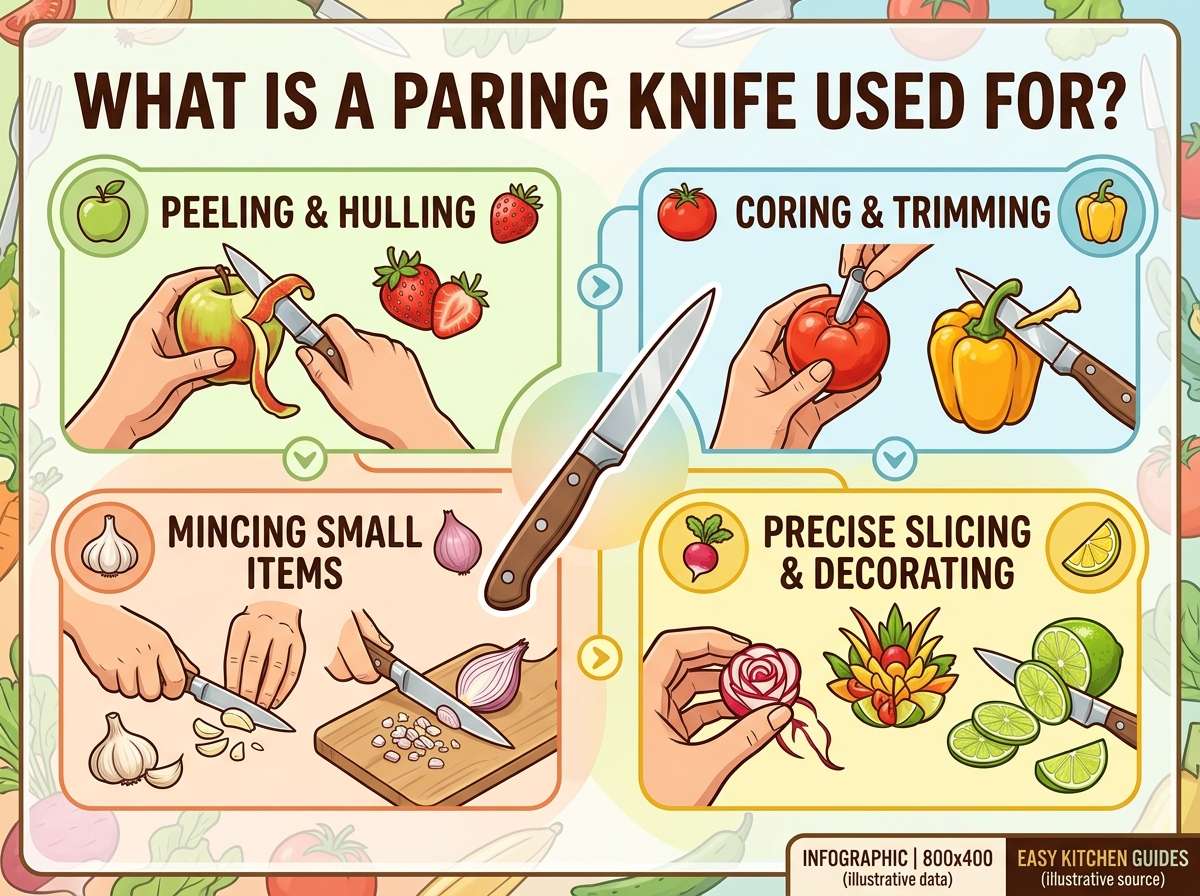
What Is a Paring Knife Used For?
If you spend any time in the kitchen, you’ve probably seen a paring knife sitting in the knife block or drawer. It’s that small, sharp blade that looks almost like a toy compared to your big chef’s knife. But don’t let its size fool you. This little tool packs serious power and does jobs that bigger knives just can’t handle. Let me walk you through exactly what a paring knife is and why it deserves a spot in your kitchen.
In this article
What Exactly Is a Paring Knife?
A paring knife is a small cutting tool with a blade that usually measures between 2.5 and 4 inches long. The blade comes to a sharp point and has a thin, sharp edge that lets you make precise cuts. Most paring knives weigh very little, which makes them comfortable to hold for long periods. The handle is small enough to fit in the palm of your hand, making it feel like an extension of your fingers rather than a heavy tool you’re gripping.
The blade itself is typically made from stainless steel or carbon steel. Stainless steel versions resist rust and don’t need as much care. Carbon steel blades get sharper and hold an edge longer, but they need more attention to keep them from rusting. Both types work great. Your choice depends on how much maintenance you want to do.
You’ll find paring knives in almost every professional kitchen and many home kitchens too. Chefs reach for them constantly because they solve so many small cutting problems. Once you start using one regularly, you’ll wonder how you ever cooked without it.
The Main Jobs Your Paring Knife Does
Peeling Fruits and Vegetables
The most common job for a paring knife is peeling. Whether you’re working with potatoes, carrots, apples, or pears, this small blade makes quick work of removing the outer skin. The narrow blade gives you the control you need to take off just the thin outer layer without digging into the good stuff underneath.
Peeling with a paring knife feels natural and comfortable. You can hold the fruit or vegetable in one hand and use the knife in the other, making thin, careful strokes. The small size means you can follow the curves and contours of what you’re peeling. Your thumb and fingers can guide the blade safely without needing to worry about a large knife.
When you peel potatoes for mashed potatoes or roasted potatoes, a paring knife gets into the small areas and eyes that a vegetable peeler can’t reach. After you use a peeler to remove the main skin, grab your paring knife to clean up those stubborn spots.
Deveining Shrimp
Shrimp have a dark vein running down their back that many people prefer to remove before cooking. A paring knife makes this job simple and quick. The thin, pointed blade slides perfectly into the groove along the shrimp’s back. You can gently lift out the vein without damaging the tender meat.
The small size of the knife gives you the precision you need for this delicate work. You’re not fumbling with a huge blade over something so small. Just a quick cut and lift, and you’re done with that shrimp and ready to move to the next one.
Trimming and Cleaning Vegetables
Lots of vegetables have parts that need trimming before you cook or eat them. The green tops on carrots need to come off. The stem area on mushrooms needs cleaning. Bean pods need trimming at both ends. Broccoli florets need to be separated from the main stalk.
Your paring knife handles all of these jobs with ease. The sharp point lets you make clean cuts exactly where you want them. You waste less food because you can remove just the parts you don’t want while keeping the parts you do want intact.
When you’re cleaning fresh herbs like cilantro or parsley, a paring knife works beautifully for removing damaged leaves or trimming the stems to the right length. You get precision that scissors or your fingers just can’t provide.
Coring and Seeding
Need to remove the core from an apple or pear? Your paring knife is perfect for that. The small blade lets you work around the core carefully, removing just what you need to get rid of. You can make circular cuts right around the top and lift out the whole core, or you can cut the fruit into quarters and slice out the core from each piece.
Removing seeds from peppers, tomatoes, or cucumbers becomes easier too. The thin point slides into the fruit or vegetable, and you can scoop out seeds cleanly. You don’t need to hack away with a big knife and potentially lose half your vegetable.
Making Decorative Cuts
Chefs use paring knives to create beautiful garnishes and decorative cuts that make food look fancy and appetizing. You can make thin slices of lemon or lime to put on the rim of a glass. You can create paper-thin slices of radishes or carrots for salads that look like art on the plate.
The precision possible with a paring knife lets you make decorative elements that would be difficult or impossible with a larger blade. Julienne cuts into thin sticks, brunoise cuts into tiny cubes, and chiffonade cuts into thin ribbons all become manageable with this small, sharp tool.
Slicing Fruits and Small Items
When you need to slice something small, a paring knife is your best friend. Small tomatoes, shallots, garlic cloves, and fresh berries all get sliced perfectly with this tool. You can make slices thick or thin depending on what you’re cooking. The small blade gives you control and prevents accidents.
For plating and presentation, a paring knife lets you slice things thinly and beautifully. Restaurant-quality cuts become possible when you have the right tool for the job.
Removing Blemishes
Sometimes you find a bruise or bad spot on a fruit or vegetable. Rather than throw away the whole thing, you can use your paring knife to cut out just the damaged part. Make a small cut and remove the blemish, and the rest of the produce is fine to use.
This saves you money and reduces waste in your kitchen. A paring knife makes this kind of detail work easy and fast.
Why Size Matters So Much
The small size of a paring knife isn’t just about fitting in your hand. It directly affects how well the knife works for its jobs. A blade that’s 3 inches long is perfect for tasks that require precision and control. You have more accuracy than you would with an 8-inch chef’s knife.
When you’re working with small items or doing delicate work, a small blade feels more natural. Your hand position is better, your wrist angle is less stressed, and your fingers don’t get in the way. The knife becomes an extension of your hand rather than a tool you’re struggling to control.
The light weight of a paring knife matters too. You can hold it for extended periods without getting tired. This makes long prep sessions much more comfortable. Your hand doesn’t cramp up, and you maintain control throughout your cooking preparation.
The Different Blade Shapes
While most paring knives have similar sizes, the blade shapes vary. Some have straight edges, while others are curved. Curved blades are great for peeling because they follow the natural shape of round fruits and vegetables. The curve of the blade matches the curve of an apple or potato.
Straight blades work well for precise cuts and detailed work. They’re easier to use for slicing and making decorative cuts. Some cooks prefer straight edges for almost everything, while others love having a curved blade for peeling.
The point of the blade varies too. Some paring knives have sharp points that are great for detail work. Others have slightly rounded points that are safer in busy kitchens. The style you choose depends on what feels comfortable in your hand and what tasks you do most often.
How a Paring Knife Differs From Other Small Knives
You might see utility knives in your kitchen as well. A utility knife is bigger than a paring knife, with a blade usually between 4 and 7 inches long. It fills the gap between your paring knife and your chef’s knife. A utility knife handles bigger vegetables and more general cutting tasks than a paring knife can.
Boning knives have narrow, sharp blades that curve slightly. They’re designed specifically for working around bones in meat. A paring knife blade is different in shape and isn’t designed for that job.
A paring knife is shorter and lighter than all of these other options. It’s built for detail and precision rather than power and speed.
Maintaining Your Paring Knife
To keep your paring knife working great, you need to take basic care of it. Hand wash it after using it rather than putting it in the dishwasher. The dishwasher can damage the blade and handle over time. Dry it right away to prevent water spots and rust.
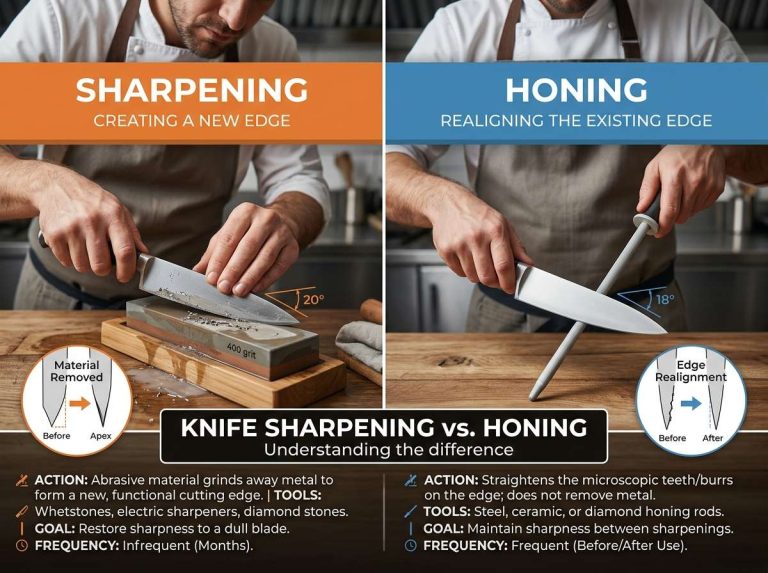
Keep your paring knife sharp. A sharp blade is actually safer than a dull one because you don’t have to apply as much pressure. A dull blade can slip and cause accidents. You can use a honing steel to maintain the edge, or get it professionally sharpened a couple of times a year.
Store your paring knife safely. A knife block or magnetic strip keeps the blade protected and your fingers safe. Leaving a paring knife loose in a drawer can damage the blade and is unsafe.
How to Use Your Paring Knife Safely
Safety matters when you’re working with any sharp tool. Always cut away from your body and your fingers. Keep your non-knife hand in a claw grip where your fingertips curl inward. The side of the blade runs against your knuckles rather than your fingertips.
Pay attention to what you’re doing. Don’t rush or get distracted while holding a sharp blade. Keep your work surface clear so you won’t bump the knife into anything.
Use a cutting board that won’t slip. A wet cutting board is dangerous because the knife can slip off it more easily. Always put something under your cutting board to keep it stable.
Keep your fingers and hands away from the blade path. Even though a paring knife is small, it’s still sharp and can cause real injury. Respect the blade and handle it with care.
Building Your Knife Skills
Using a paring knife regularly helps you develop better knife skills overall. The precision required for paring knife work translates to better performance with your other knives too. You learn how to hold a knife properly, how to position your hands safely, and how to make controlled cuts.
Start with simple jobs like peeling vegetables. Once you feel comfortable with those basic tasks, try more complex jobs like decorative cuts or detailed trimming. Your confidence builds with practice, and soon you’ll reach for your paring knife automatically.
The Budget-Friendly Tool
One great thing about a paring knife is that you don’t have to spend a lot of money on one. You can get a decent paring knife for a small amount of cash. You don’t need a super expensive brand to get a knife that works well. Many budget-friendly options perform beautifully and last for years.
As your cooking skills improve, you might want to upgrade to a higher-quality paring knife. But even beginners can get a perfectly functional tool without spending much.
Why Every Home Cook Needs One
If you cook at home even occasionally, a paring knife should be part of your kitchen. It makes prep work faster and easier. You’ll find yourself reaching for it constantly once you start using it regularly. It’s one of those tools that seems small and unimportant until you actually use it.
The versatility of a paring knife means you’ll use it for so many different tasks. Peeling, slicing, trimming, deveining, coring, and decorative work all become possible with this one small tool. It’s an investment in your cooking that pays off every single time you use it.
Pairing Your Paring Knife With Other Tools
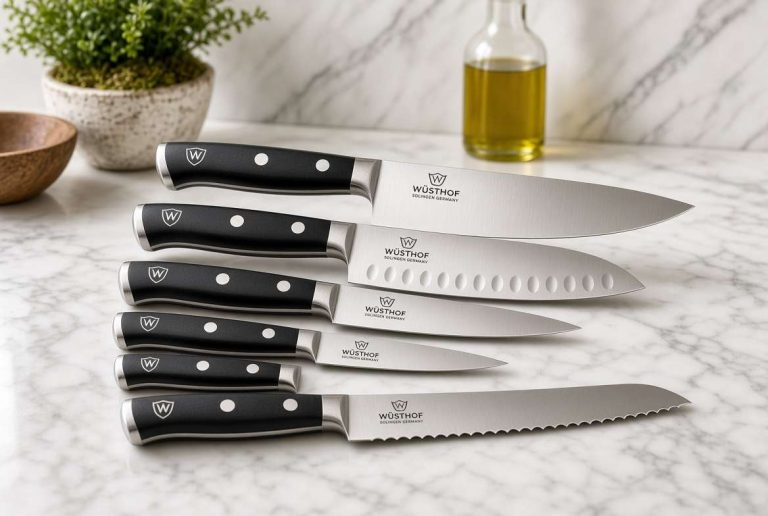
While a paring knife is great for small jobs, it works best as part of a complete knife collection. A chef’s knife handles bigger cutting tasks. A serrated bread knife cuts through bread without crushing it. Specialty knives like boning knives or filleting knives handle specific jobs.
Your paring knife fills an important role in this collection. Each knife does what it does best, and together they make your kitchen work smoothly.
Common Mistakes to Avoid
Don’t use your paring knife for jobs it’s not designed for. Trying to cut through bones or frozen food can damage the blade and potentially injure you. Stick to the tasks the knife does well, and reach for different tools when you need something else.
Don’t neglect maintenance. A knife that’s not sharp gets frustrating to use and becomes dangerous. Keep your blade sharp and handle it with care.
Don’t store your paring knife where it can bang around and get damaged. A proper storage system protects your investment and keeps everyone safe.
Getting Comfortable With Your Paring Knife
The first time you use a paring knife, it might feel a little awkward. The small size is different from other knives you might be used to. Give yourself time to adjust. After a few uses, it will feel natural and comfortable.
Hold the knife the way that feels best to you. Experiment with different grip styles and positions until you find what works for your hand. Everyone’s hands are different, so there’s no single “right” way to hold a knife, just the way that’s right for you.
The more you use your paring knife, the more you’ll appreciate what it does. It’s a small tool that makes a big difference in how you prep food and how much you enjoy cooking.
Conclusion
A paring knife is a small, simple tool that does big things in the kitchen. From peeling and slicing to trimming and decorative work, this knife handles tasks that larger blades struggle with. It’s affordable, easy to maintain, and fits naturally in any cook’s hand.
Whether you’re just starting to cook or you’ve been at it for years, a paring knife deserves a place in your kitchen. Once you start using one regularly, you’ll wonder how you ever managed without it. The precision, control, and versatility make prep work easier and faster.
Take the time to choose a paring knife that feels good in your hand. Treat it with care and respect. Learn to use it safely and effectively. Your cooking will improve, your prep work will get faster, and you’ll discover just how much this little blade can do.

Mary is a home cooking enthusiast and kitchen gear reviewer with a passion for practical cookware and food preparation tools. She enjoys testing cutting boards, knives, kitchen gadgets, and other cooking essentials to help home chefs make smarter buying decisions. Through KitchenCutting.com, Mary shares honest product reviews, buying guides, and helpful kitchen tips to make cooking easier, safer, and more enjoyable.