How Do You Cut Cabbage For Coleslaw
Learning how to cut cabbage for coleslaw is a useful skill for any home cook. While pre-shredded bags are available at the store, cutting a fresh head of cabbage often results in a better texture and flavor. Freshly cut cabbage retains moisture and crunch longer than store-bought varieties that sit in plastic bags. This process is straightforward once you follow a few basic steps. With the right tools and a bit of practice, you can produce consistent shreds that hold up well to dressings. Mastering this technique allows you to control the thickness of your ribbons to suit your preferred recipe style.
Key Takeaways
- A sharp chef’s knife is the most versatile tool for creating thin, uniform cabbage ribbons.
- Removing the tough core is necessary to ensure the final coleslaw has a pleasant, crunchy texture.
- Proper storage of pre-cut cabbage helps maintain crispness and prevents the edges from drying out.
- Using a mandoline or food processor can save time when you need to prepare large quantities of cabbage.
Tools You Need for Shredding Cabbage
The Right Knife
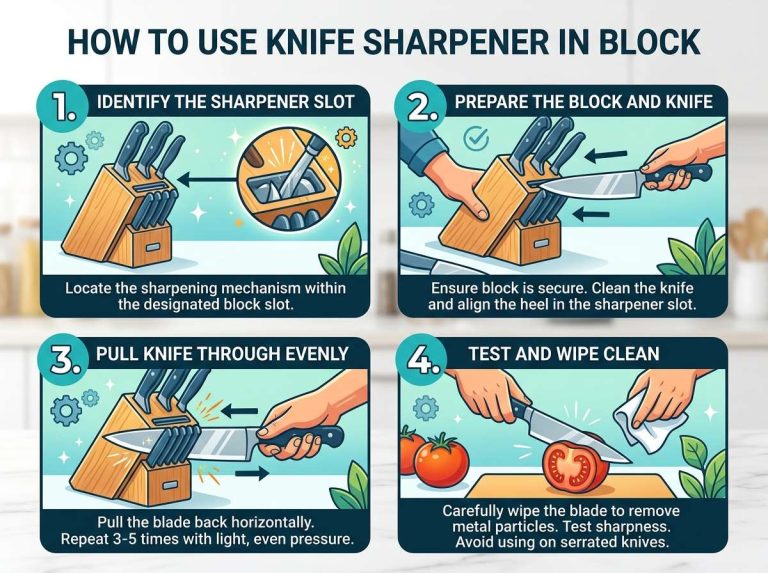
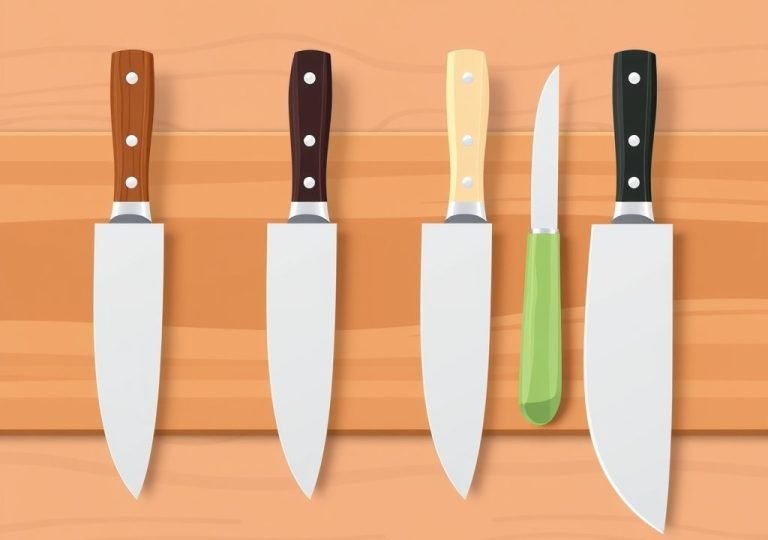
A sharp chef’s knife is the most reliable tool for this task. Look for a blade that is at least eight inches long to provide enough reach across the cabbage head. A heavy, stable knife allows for more control and makes it easier to cut through the dense leaves. Dull knives are dangerous because they require more pressure to cut. This often leads to the blade slipping off the rounded surface of the cabbage. Keep your knife honed and sharpened to ensure clean, effortless strokes. A sharp edge slices through the fibers rather than crushing them, which keeps the cabbage crisp for a longer period.
Using a Mandoline or Food Processor
A mandoline is a kitchen tool with a flat surface and an adjustable blade. It creates very thin, consistent slices of cabbage in a short amount of time. You must use the included hand guard to protect your fingers from the sharp edges. The guard is essential because the cabbage becomes small and difficult to grip as you reach the end of the head. A food processor with a slicing disc attachment is another efficient option. This method is ideal for preparing large batches of coleslaw for gatherings. The machine does the work in seconds, though it requires cleanup of multiple parts afterward. Ensure the cabbage fits into the feed tube before you begin processing to avoid jamming the mechanism.
Preparing the Cabbage Head
Removing Damaged Outer Leaves
Cabbage heads often have loose or wilted leaves on the outside. These leaves may be bruised or dirty from transport. Peel these away with your hands until you reach the firm, tightly packed leaves beneath. If the cabbage looks clean, you only need to remove the outermost layer. Discard these leaves or add them to a compost bin. Fresh, crisp leaves are the foundation of a good coleslaw. Inspect the head for any dark spots or signs of decay before you proceed to the cutting phase.
Cutting the Cabbage in Half and Quarters
Place the cabbage on a stable cutting board. Use your chef’s knife to slice the head directly through the center stem. This creates two equal halves. A non-slip cutting board is helpful here to prevent the cabbage from rolling while you apply pressure. Lay each half flat on the board with the cut side facing down. Slice through the center of each half again to create four quarters. This makes the cabbage easier to handle and provides a flat base for safer cutting. The flat surface prevents the quarter from wobbling as you move your knife across the leaves.
Removing the Tough Core
The core is the dense, woody center of the cabbage. It does not soften much during mixing and can feel unpleasant in a salad. Use your knife to cut a diagonal wedge into the core of each quarter. Once the wedge is removed, the leaves should be loose enough to handle easily. Discard the core or save it to use in soups or stocks. Removing this part ensures that every bite of your coleslaw is tender and crunchy. A clean cut at the base of the core ensures you do not waste any usable, leafy portions of the vegetable.
Step-by-Step Guide to Cutting Cabbage for Coleslaw
Creating Thin Shreds with a Chef’s Knife
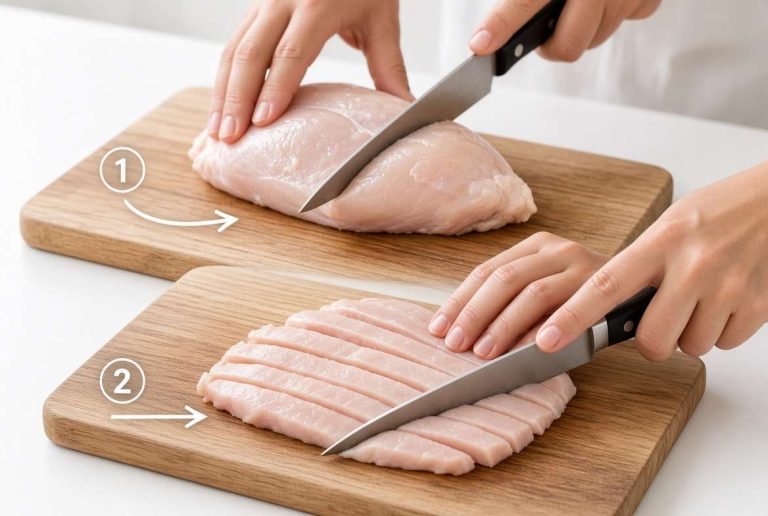
Place one quarter of the cabbage flat on your cutting board. Hold the cabbage firmly with your non-cutting hand. Tuck your fingertips inward to keep them away from the blade. Make thin, parallel slices across the width of the cabbage. Aim for a thickness of about an eighth of an inch. As you cut, move your hand slowly backward to guide the knife. Continue this motion until you have shredded the entire piece.
Achieving Uniform Pieces for Better Texture
Uniformity is important for the overall mouthfeel of the coleslaw. When the shreds are all the same size, they absorb the dressing evenly. This prevents some pieces from being too soft while others remain too tough. If you find that some pieces are too long, turn the pile of shreds ninety degrees. Chop through them once or twice to create smaller, bite-sized ribbons. This creates a classic coleslaw texture that is easy to eat with a fork.
Tips for the Best Coleslaw Consistency
Keeping the Cabbage Crisp
Cabbage is mostly water, which makes it prone to wilting once it meets salt or acid. To maintain a crisp texture, wait until just before serving to add your dressing. This prevents the cabbage from releasing too much liquid. If you prefer a softer cabbage, you can toss the shreds with a pinch of salt and let them sit for ten minutes. The salt draws out excess moisture. Drain the liquid before adding your mayonnaise or vinaigrette.
Storage Advice for Pre-cut Cabbage
If you must cut the cabbage ahead of time, store it properly to keep it fresh. Place the shreds in an airtight container or a resealable plastic bag. Squeeze out as much air as possible before sealing. Keep the cabbage in the vegetable crisper drawer of your refrigerator. It typically stays fresh for two to three days. If the cabbage begins to smell strong or becomes slimy, it is time to discard it.
Frequently Asked Questions
Do I need to wash the cabbage before cutting it?
Yes, it is good practice to rinse the exterior of the cabbage head under cool running water. Even though you remove the outer leaves, dirt can transfer to the inner layers while cutting. Pat the cabbage dry with a clean towel before you start slicing.
Is the core of the cabbage edible?
The core is edible, but it has a tough, woody texture that most people find unpleasant in coleslaw. It is usually discarded or used in cooked dishes like soups where it has time to soften. If you use it, shred it very finely or grate it to minimize the tough texture.
How thin should the cabbage shreds be?
The ideal thickness for coleslaw is about an eighth of an inch. This size is thin enough to be delicate and absorb dressing, but thick enough to retain a satisfying crunch. Adjust the thickness based on your personal preference for a more rustic or refined salad.
Can I cut cabbage ahead of time?
You can prepare shredded cabbage up to two days in advance. Keep it in a sealed container in the refrigerator to prevent it from drying out. Avoid adding any dressing until you are ready to serve to keep the vegetables from becoming watery.
What is the best way to keep shredded cabbage from turning brown?
Cabbage does not oxidize as quickly as apples, but it can still lose its bright color over time. Keeping the shreds in an airtight container helps limit exposure to air. If you need to store it for a longer period, a light toss with a tiny amount of lemon juice or vinegar can help preserve its appearance.
Conclusion
Cutting your own cabbage for coleslaw is a simple way to elevate your cooking. By following these techniques, you ensure that your ingredients remain crisp and uniform. Start by using a sharp knife and removing the tough core for the best results. Remember that the timing of your dressing application plays a major role in the final texture. Using a knife, mandoline, or food processor, the goal is consistent, fresh ribbons of cabbage. With a little practice, this task will become a quick part of your kitchen routine.

Mary is a home cooking enthusiast and kitchen gear reviewer with a passion for practical cookware and food preparation tools. She enjoys testing cutting boards, knives, kitchen gadgets, and other cooking essentials to help home chefs make smarter buying decisions. Through KitchenCutting.com, Mary shares honest product reviews, buying guides, and helpful kitchen tips to make cooking easier, safer, and more enjoyable.