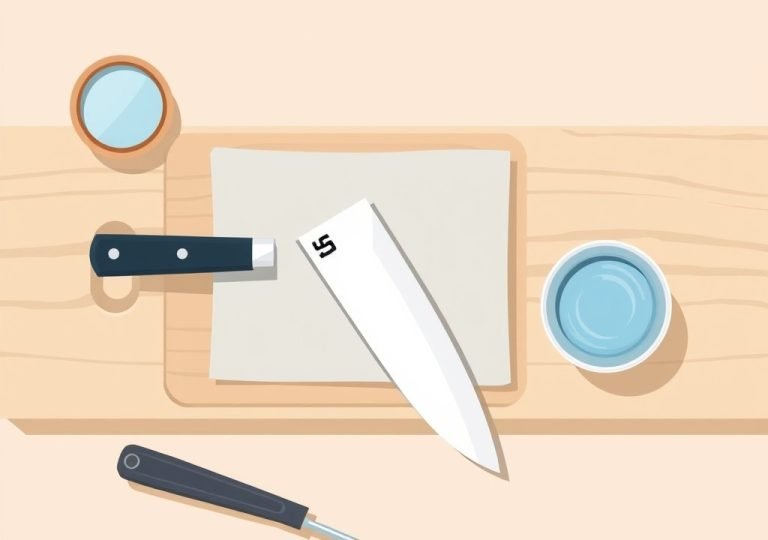
How To Prevent Kitchen Knives From Rusting
Kitchen knives are a daily tool, and rust can dull their edge and spoil their appearance. Preventing rust is easier than most beginners expect. Most of the work comes down to a few simple habits after each use.
This guide explains why rust forms, how blade materials differ, and which care steps help most. It covers cleaning, drying, storage, light oiling and what to do if rust has already appeared.
Key Takeaways
- Rust needs moisture, oxygen and certain steels to form, so keeping blades dry removes most of the risk.
- Wash knives by hand with mild soap, then dry them right away, including the handle and rivets.
- Store knives in a dry block, magnetic strip or sheath instead of loose in a drawer.
- Carbon steel blades need a thin layer of food-safe oil, while stainless steel needs less protection.
- Light surface rust can often be removed gently, but deep pitting may need professional attention.
Why Kitchen Knives Rust and What Causes It
Rust is corrosion that occurs when iron or steel reacts with water and oxygen. It forms a flaky orange or brown layer that can spread and weaken the blade.
What Makes Steel Rust in the First Place
Steel is mostly iron, and iron readily combines with oxygen. Water speeds up this reaction, so a wet knife left on a counter can begin to rust within hours in some conditions.
Salt, acid and food residue make the process faster by holding moisture against the metal and breaking down its protective surface.
Stainless Steel Versus Carbon Steel
Stainless steel contains chromium, which forms a thin protective layer. This layer helps resist rust but is not a complete shield, and stainless can still stain or rust if it stays wet.
Carbon steel contains less chromium and rusts more easily. It is valued for sharpness and ease of sharpening, but it usually needs more hands-on care.
Common Habits That Speed Up Rust
Leaving knives in the sink or soaking them for long periods invites trouble. Storing a damp knife in a drawer or sheath traps moisture against the metal.
Cutting acidic or salty foods and leaving juice or residue on the blade can also cause problems.
Basic Care Habits That Prevent Rust
Good habits are the foundation of rust prevention. Most take only a few seconds. Over time, they protect the blade better than any single product.
Washing and Drying Knives Right Away
Wash each knife soon after use, before food dries on the blade. Dried food is harder to remove and can hold moisture against the steel. Dry the blade completely before putting it away.
Storing Knives Safely in a Block, Magnetic Strip or Sheath
Store knives in a dry block, on a magnetic strip or in a protective sheath. These options keep air moving around the blade and stop it from touching other metal objects.
Avoid tossing knives loose into a utensil drawer. Contact with other tools can scratch the surface, and scratches give rust a place to start.
Keeping Knives Away from Acidic and Salty Foods
Rinse the blade after cutting acidic or salty foods such as citrus, tomatoes, pickles or brined meats. Even brief contact can leave residue that speeds up corrosion. Wiping the blade with a damp cloth and then drying it is often enough.
Step-by-Step Guide to Cleaning and Drying a Knife
A clear routine makes rust prevention easy to repeat. The steps below work for most kitchen knives, and each takes only a minute or two.
Hand Washing With Mild Soap and Warm Water
Use warm water and a small amount of mild dish soap. Wash the blade with a soft sponge or cloth, moving from the spine toward the edge. Avoid abrasive scrubbers, which can scratch the steel.
Drying Thoroughly, Including the Handle and Rivets
Dry the blade right away with a clean towel. Pay attention to where the blade meets the handle, since water often collects there. Also dry the rivets and any gaps in the handle. Air drying on the counter is not ideal, because water can sit in small crevices and start corrosion.
Why Dishwashers Are a Risk for Knives
Dishwashers expose knives to hot water, strong detergents and long wet cycles. Blades can bang against other dishes and chip or dull the edge. Wooden or certain synthetic handles may also crack or swell. For these reasons, hand washing is the safer routine for most kitchen knives.
Applying Protective Oil to Carbon Steel Blades
Carbon steel needs an extra layer of protection. A thin coat of oil creates a barrier between the metal and moisture. This step matters most for carbon steel knives, though some owners also use it on stainless steel.
Picking a Food-Safe Oil
Pick an oil labeled food-safe, such as mineral oil or a food-grade blade oil. These oils are designed for contact with food and will not turn sticky or rancid the way cooking oils can. Check the label before use.
How Often to Oil a Knife
How often you oil depends on how often you use the knife and how humid your kitchen is. Many people check the blade every few weeks and re-oil when it looks dry. Humid areas may need more frequent oiling.
How to Apply a Thin Layer of Oil
Make sure the blade is clean and fully dry first. Put a few drops of oil on a soft cloth and wipe both sides of the blade. Wipe off any excess so the surface is only lightly coated.
Too much oil can attract dust and make the knife greasy. A thin film is all that is needed.
Removing Light Rust From a Kitchen Knife
Sometimes rust appears despite careful habits. Light surface rust can often be removed without damaging the blade. Acting early makes the job easier.
Gentle Methods Using Baking Soda or Mild Abrasives
Make a paste of baking soda and a little water. Rub it gently over the rusted area with a soft cloth or non-scratch sponge. Rinse, dry the blade completely, then apply a thin layer of oil if it is carbon steel.
When to Use a Fine Abrasive Pad
A fine abrasive pad may help with stubborn spots, but use it with care. Rub in the direction of the blade’s grain with light pressure. Coarse pads can leave deep scratches that invite more rust.
Checking the Blade After Rust Removal
After cleaning, look closely at the blade under good light. Check for remaining orange spots or small pits. If rust has left deep pitting, the knife may need professional sharpening or repair.
Comparing Prevention Methods for Different Knife Types
Not every knife needs the same care. The blade material decides which habits matter most.
Protecting Stainless steel Knives
Stainless steel needs regular washing and thorough drying, but it rarely needs oil. Keep these knives dry and store them safely to protect the surface. Light stains can usually be wiped away with a damp cloth.
Protecting Carbon Steel and High-Carbon Knives
Carbon steel and high-carbon blades need more attention. Dry them right after every use and apply a light coat of food-safe oil regularly. Many users also keep these knives away from acidic foods to prevent discoloration.
Protecting Ceramic and Other Specialty Blades
Ceramic knives do not rust because they contain no iron. They still need gentle washing and careful storage, since they can chip if dropped. Always follow the manufacturer’s care instructions for specialty blades.
Storing Knives During Long Periods of Non-Use
Knives that sit unused for weeks need a slightly different approach. Moisture can build up in closed spaces, so a little preparation helps.
Preparing Knives for Storage
Clean and fully dry each knife before putting it away. For carbon steel, apply a thin coat of food-safe oil first. Check that no water or food residue remains in the handle or rivets.
Using Breathable Wraps and Dry Spaces
Wrap blades in breathable paper or a soft cloth rather than sealed plastic, which can trap moisture. Store knives in a cool, dry cabinet away from the stove and sink.
Frequently Asked Questions
Can stainless steel knives still rust?
Yes, stainless steel can still rust, although it resists rust far better than carbon steel. Leaving it wet or storing it damp can cause stains or spots. Regular drying and proper storage keep the risk low.
Is it safe to use knife oil on a cutting board or blade used for food?
Food-safe mineral oil or food-grade blade oil is designed for contact with food. Non-food oils, such as motor oil, should never be used. Always check the product label before applying any oil.
How do I stop a knife from rusting in a humid kitchen?
Dry the knife right away after each wash and store it in a dry block or on a magnetic strip. Good airflow reduces moisture around the blade. Oiling carbon steel blades more often adds useful protection.
Can I put my kitchen knives in the dishwasher?
Most kitchen knives are better washed by hand. Dishwashers expose blades to harsh detergent and heat, which can dull the edge and damage handles. Hand washing followed by immediate drying is the safer routine.
How can I tell if the rust on my knife is serious?
Light orange spots are usually easy to remove with gentle cleaning. Deep pits, flaking metal or rust that keeps returning may signal more serious damage. In those cases, a professional sharpening or repair service can advise you.
Conclusion
Preventing rust on kitchen knives comes down to moisture control. Wash and dry knives promptly, store them in a dry place and keep acidic or salty residue off the blade. Carbon steel knives also benefit from a thin layer of food-safe oil. With these simple habits, most beginners can keep their knives in good condition for years.

Mary is a home cooking enthusiast and kitchen gear reviewer with a passion for practical cookware and food preparation tools. She enjoys testing cutting boards, knives, kitchen gadgets, and other cooking essentials to help home chefs make smarter buying decisions. Through KitchenCutting.com, Mary shares honest product reviews, buying guides, and helpful kitchen tips to make cooking easier, safer, and more enjoyable.