How To Peel Tomatoes Easily
Peeling tomatoes is a simple kitchen skill that many beginners find tricky at first. The thin skin can stick, tear or slip off in small pieces. With a few easy steps, you can learn to peel tomatoes with less mess.
This guide explains why people remove tomato skin and the most common method, called blanching. It also covers common mistakes, how to store peeled tomatoes and answers to frequent questions.
Key Takeaways
- Blanching tomatoes in boiling water for a short time loosens the skin.
- Scoring an X on the bottom gives you a starting point to pull the skin away.
- Moving tomatoes into ice water right away stops the cooking and makes handling easier.
- Avoid overcooking, which can make the flesh soft and mushy.
Why Peeling Tomatoes Is Easier Than You Think
Peeling tomatoes does not require special tools or advanced skills. The process depends mostly on timing and a small amount of heat. Once you understand the basic idea, the steps are simple to repeat.
Tomato skin is thin and attached loosely to the flesh. Brief heat causes the skin to separate slightly, so it lifts away with little effort.
What Is Tomato Peeling and Why Do People Do It?
Tomato peeling means removing the outer skin before you use the fruit. The skin is edible, but it can be tough or chewy in some dishes. Removing it gives the tomato a smoother texture.
Why Remove the Skin From Tomatoes?
Skin can make sauces look grainy and feel less smooth. During long simmering, the skin can curl and separate into small pieces. Removing it helps create an even, refined texture.
Peeled tomatoes also blend easily into soups and purees. Many people leave the skin on for rustic dishes, so the choice depends on the result you want.
Which Recipes Call for Peeled Tomatoes?
Smooth sauces, soups and baby food often call for peeled tomatoes. Chilled soups such as gazpacho also benefit from skinless fruit. Canned whole peeled tomatoes are a common ingredient for this reason.
A classic tomato sauce or silky tomato soup usually tastes better without skin. A quick salsa or rustic salad, however, may not need peeling at all.
The Basic Method: Blanching Tomatoes Before Peeling
Blanching means dipping food into boiling water for a short time. For tomatoes, this brief heat loosens the skin without fully cooking the flesh. It is the most widely used method for home cooks.
Tools You Need for Blanching
You need a pot of water, a bowl of ice water, a slotted spoon and a sharp paring knife. The slotted spoon lets you lift tomatoes out without splashing. A cutting board and a small tray help keep your workspace tidy.
How Long to Keep Tomatoes in Boiling Water
Most cooks leave tomatoes in boiling water for about 30 to 60 seconds. Ripe tomatoes usually need less time, while firmer ones may need a little longer. Watch the skin closely, because it begins to wrinkle or split when it is ready.
Keep the time short, since longer heat can soften the flesh. Lift one tomato to check, and if the skin peels back easily, the timing is right.
Shocking Tomatoes in Ice Water to Stop Cooking
Once the skin begins to split, move each tomato straight into the ice water. This step, often called shocking, stops the heat from reaching the flesh. The cold water also firms the fruit so it is easier to handle.
Leave the tomatoes in the ice water for a minute or so. Then they are cool enough to touch and ready for the next step.
Step-by-Step Guide to Peeling Tomatoes
Once your tomatoes are blanched and cooled, the peeling itself is quick. Work through one tomato at a time to keep the process calm and controlled.
Scoring the Bottom of Each Tomato With an X
Before blanching, use a paring knife to cut a small X on the bottom of each tomato. Cut only through the skin, not deep into the flesh. This gives the skin a place to split and lift.
Lifting and Sliding Off the Skin
Take a blanched tomato from the ice water and start at the X. Use your fingers or the tip of a knife to lift one corner of the skin, then gently pull it away. In most cases, the skin slides off in one or two large pieces. If a small patch sticks, return it to the water for a few seconds and try again.
Tips for Peeling Ripe and Firm Tomatoes
Ripe tomatoes usually peel more easily because their skin is looser. Firmer tomatoes often need a few extra seconds in the boiling water. Dry your hands before handling the fruit, since wet fingers can make it slip.
Peeled tomatoes can look pale at first. This is normal, and their color often deepens once they are cooked.
Alternative Ways to Remove Tomato Skin
Blanching is the most common method, but it is not the only option. Other ways can work well, depending on your tools and how many tomatoes you need to peel.
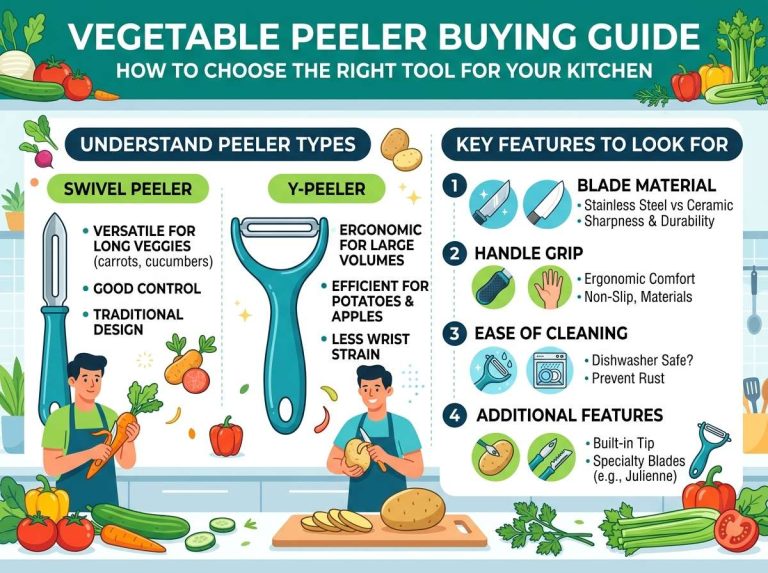
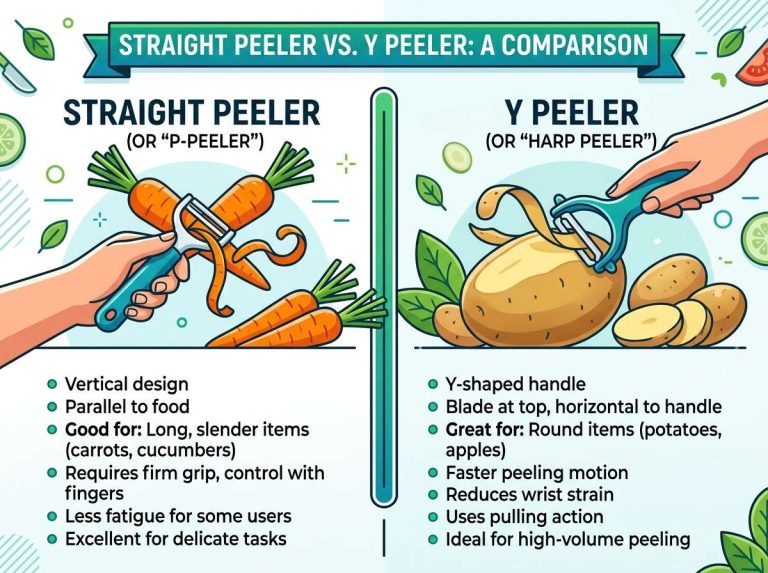
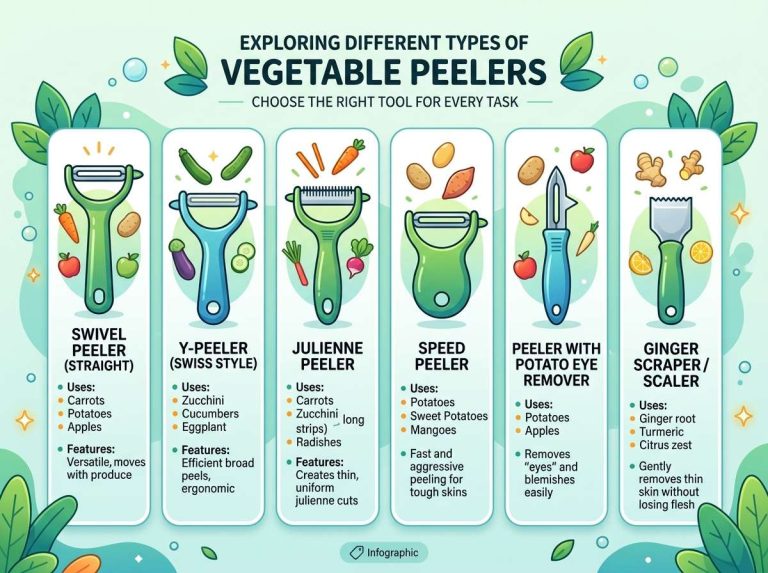
Peeling Tomatoes With a Vegetable Peeler
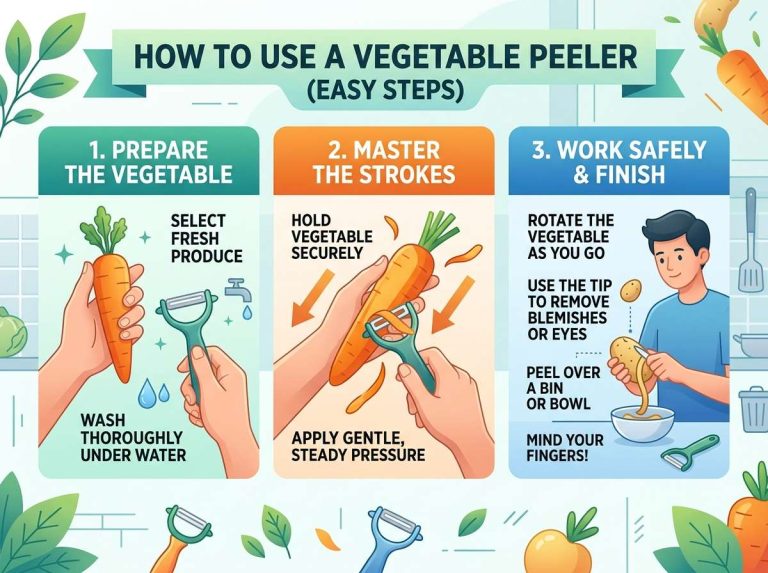
A vegetable peeler removes skin from a firm, ripe tomato without heat. Hold the tomato steady and press the peeler along its surface. This works best for a few tomatoes, since it is slower and can waste some flesh.
Using a Flame or Roasting Method
Some cooks hold a tomato over a gas flame or roast it in a hot oven until the skin blisters. Once cool, the skin slides away easily. The method adds a slightly smoky flavor, so it suits some dishes better than others.
Peeling Tomatoes Without Heat
You can also slice away the skin with a sharp knife in thin strips. This takes patience and works best on firm fruit. Because it is slow, it is usually reserved for small jobs.
Comparing Peeling Methods: Which One Suits You?
Each method has strengths and limits. The right choice depends on how much time you have and how many tomatoes you need to prepare.
Speed, Effort and Mess Compared
Blanching is fast and clean for most batches, and it needs only a pot and a bowl. A vegetable peeler is simple but slow and can waste flesh. Roasting and flame methods take more time and create extra mess from heat and smoke.
Best Method for Small and Large Batches
For a few tomatoes, a peeler or knife may be enough. For larger batches, blanching is usually the most practical choice because it handles many fruits in a short time.
Common Mistakes Beginners Make When Peeling Tomatoes
Most problems come from timing or preparation. Knowing the common errors helps you avoid them.
Overcooking Tomatoes and Turning Them Mushy
Leaving tomatoes in boiling water too long is the most frequent error. The flesh softens and the fruit can fall apart when handled. Start with a short time and check one tomato before continuing.
Skipping the Ice Bath and Leaving Skin Stuck
Without an ice bath, tomatoes keep cooking from residual heat, and the skin can cling to the flesh. A quick move into cold water keeps the skin loose and the fruit firm.
Storing Peeled Tomatoes Safely
Peeled tomatoes spoil faster than whole ones because the skin no longer protects the flesh. Store them carefully and use them soon for the best flavor.
Refrigerating and Freezing Peeled Tomatoes
Place peeled tomatoes in a sealed container in the refrigerator and use them within a few days. For longer storage, freeze them in a sealed bag or container. Frozen tomatoes work well in sauces and soups, though their texture softens after thawing.
Canning Peeled Tomatoes at Home
Canning peeled tomatoes requires specific procedures to stay safe. Follow a tested recipe from a reliable food safety source and do not improvise. Improper canning can allow harmful bacteria to grow.
Frequently Asked Questions
Do I need to peel tomatoes before cooking them?
Not always. Peeling helps with smooth sauces and soups, but rustic dishes often taste fine with the skin on. The texture you want should guide your choice.
Can I peel tomatoes without boiling water?
Yes. A vegetable peeler or a sharp knife can remove the skin without heat. These methods take more time but work well for a small number of tomatoes.
Why does the skin stick to some tomatoes?
Firm or underripe tomatoes often hold their skin more tightly. Blanching for a slightly longer time usually helps. Drying your hands also gives you a better grip.
Is it safe to use tomatoes that have been peeled and stored?
Yes, if you store them properly and use them within a reasonable time. Discard any tomatoes that smell sour, look slimy or show mold. When in doubt, throw them out.
What is the easiest way to peel many tomatoes at once?
Blanching is usually the easiest method for large batches. Work in small groups so the water stays hot and the ice bath stays cold. This keeps the process steady from start to finish.
Conclusion
Peeling tomatoes becomes easy once you know the basic steps. Scoring an X, blanching briefly and moving the fruit into ice water solve most problems. Avoid overcooking, store peeled tomatoes carefully and pick the method that fits your needs.

Mary is a home cooking enthusiast and kitchen gear reviewer with a passion for practical cookware and food preparation tools. She enjoys testing cutting boards, knives, kitchen gadgets, and other cooking essentials to help home chefs make smarter buying decisions. Through KitchenCutting.com, Mary shares honest product reviews, buying guides, and helpful kitchen tips to make cooking easier, safer, and more enjoyable.