How To Prevent Vegetables From Sticking To Slicers
Sliced vegetables are useful for salads, sandwiches, gratins and quick snacks. Many home cooks find that produce clings to the blade, bunches up in the feed tray or tears instead of falling away cleanly. Knowing how to prevent sticking makes slicing faster, safer and less messy. This article explains why sticking happens and what simple steps reduce it.
The guidance here is written for beginners. It covers preparation, slicer setup, easy methods to stop sticking, tips for specific vegetables, common mistakes and basic cleaning. Each step uses plain language and applies to most manual and electric slicers.
Key Takeaways
- Sticking is mostly caused by moisture, starch and soft texture on the vegetable’s surface.
- Chilling, drying and trimming produce before slicing gives firmer, cleaner cuts.
- A sharp, clean blade and correct thickness setting reduce drag and clinging.
- A light coat of food-safe oil or a barrier sheet can help pieces release easily.
- Cleaning between batches and avoiding overfilling keeps the slicer working well.
Why Vegetables Stick to Slicers
Why Vegetables Stick to Slicers
A slicer pushes produce against a fast-moving blade. Slices should fall away, but when they cling, the blade drags them back or they lodge in the guard. Sticking usually comes from surface conditions rather than a single fault.
The surface of the vegetable, its moisture, its inner texture and the condition of the blade all play a part. Knowing these causes makes the fixes easier to choose.
How Moisture and Starch Cause Sticking
Many vegetables release a thin film of juice when cut. This moisture acts like glue, helping slices cling to the metal.
Starch works in a similar way. Potatoes release starch as they are cut, and it turns sticky when mixed with water. Drying and rinsing before slicing reduces both moisture and starch.
Why Soft and Ripe Produce Clings More
Soft vegetables and fruits lack firm structure. The blade can squash or smear the flesh instead of separating it cleanly, and the squashed surface then grips the blade or pusher.
Ripe tomatoes are a common example. Their skins can slip while the inside stays very soft. A short chill helps softer produce hold its shape during slicing.
How Blade Sharpness Affects Sticking
A sharp blade cuts with less pressure. A dull blade tends to tear or crush, leaving ragged edges that are more likely to stick.
Nicks and buildup can also catch small pieces that would otherwise fall away. Keeping the blade sharp and clean is one of the simplest ways to reduce sticking.
Preparing Vegetables Before Slicing
Good preparation makes slicing easier. Many sticking problems can be reduced before the produce reaches the blade. A few minutes of preparation often saves time later.
Chilling Produce for Firmer Cuts
Chilling firms many vegetables. Cold flesh holds its shape, so slices separate more cleanly. This helps most with cucumbers, zucchini and soft tomatoes.
Refrigerate the produce briefly before slicing. Avoid freezing it, since freezing changes the texture and can leave the flesh mushy once thawed.
Drying Surfaces to Reduce Friction
Wet produce clings more than dry produce. After washing, pat the vegetable dry with a clean towel. Pay attention to ridges, stems and damp spots.
Dry the blade and feed tray as well. Water left on metal can create a sticky film once the slicer starts.
Trimming Ends for a Flat Starting Edge
Uneven ends can catch on the blade or guard. Trimming them creates a flat surface that sits evenly against the pusher, so each slice falls away cleanly.
Cut off stems, rounded tips and any soft or bruised areas. Then cut long vegetables to a size that fits the feed tray comfortably.
Setting Up Your Slicer for Smooth Cuts
The slicer’s setup also affects how well produce releases. Checking the machine before use can prevent frustration later.
Adjusting Blade Height and Thickness
Thickness settings change how the vegetable meets the blade. Very thin settings on soft produce can cause slices to fold or stick together. Thicker settings often give sturdier pieces.
Check the manual for your slicer’s controls and start with a medium setting. Adjust gradually until slices come out clean and even, and reset if they tear or bunch.
Keeping the Blade and Guard Clean
Residue builds up on the blade and around the guard over time, giving sticky pieces something to hold onto. Wipe the blade after each batch to keep it clear.
Check the gaps around the guard and tray, where small bits of vegetable can lodge. A soft brush or cloth can remove most of this debris quickly.
Using the Food Pusher Correctly
The food pusher holds produce steady and guides it toward the blade. Pressing too hard can squash soft vegetables and push juice onto the blade, so use steady, even pressure.
Keep your fingers well clear of the blade and use the pusher rather than your hand. Stop to clear any stuck piece before continuing.
Step-by-Step Methods to Stop Sticking
Several simple methods can reduce sticking during slicing. Some lower friction, while others create a barrier between the produce and the blade. Beginners can use one method or combine several.
Lightly Oiling the Blade or Food Surface
A thin coat of food-safe oil can help slices release from the blade. Apply it with a paper towel rather than pouring it on, and use only a small amount, since too much makes surfaces slippery.
Lightly brushing the vegetable with oil can also reduce how much the flesh grips the blade. Wipe away any excess before slicing.
Using Parchment or Wax Paper as a Barrier
Placing a sheet of parchment or wax paper between the produce and the pusher reduces direct contact with the blade. This helps with soft or very juicy vegetables, and the paper also catches some moisture.
Use a sheet that fits the feed tray without tearing, and check that it does not block the blade. Replace it between batches, since used paper can become damp and sticky.
Slicing in Batches and Clearing Residue
Slicing smaller batches prevents overfilling and limits residue. After each batch, stop the machine and clear the tray and blade area, then wipe the blade and remove leftover pieces before continuing. Clean surfaces help each slice fall away as intended.
Tips for Specific Vegetables
Different vegetables behave differently. Some are firm and dry, while others are soft or starchy. Adjusting your approach for each type can make a noticeable difference.
Slicing Cucumbers, Zucchini and Squash
These vegetables hold a lot of water and can cling to the blade. Chill them briefly, dry the surface well, and trim both ends for a flat start.
Use a medium thickness setting and slice in small batches. A light coat of oil on the blade can help thin rounds release cleanly.
Slicing Potatoes and Root Vegetables
Potatoes release starch, which turns sticky when it meets moisture. Rinse them to remove surface starch, then dry them thoroughly. Firm root vegetables such as carrots and beets are easier to slice once dry and cold.
Work slowly and clear the blade often, since starch residue builds up quickly.
Slicing Tomatoes and Other Soft Produce
Soft produce needs the most care. Choose firm, slightly under-ripe tomatoes if possible, since very ripe ones squash easily. Chill them briefly to firm the flesh.
Use parchment or wax paper as a barrier and apply very gentle pressure with the pusher. Many ripe fruits are better sliced by hand with a sharp knife, so a slicer may not suit every soft item.
Common Mistakes That Cause Sticking
Many sticking problems come from habits rather than the machine itself. Small changes in routine often bring big improvements.
Overfilling the Feed Tray
Packing too much produce into the tray crowds the blade and leaves little room for slices to fall away. Load a moderate amount and slice in steady batches.
Skipping Cleaning Between Uses
Residue left on the blade and tray dries into a sticky film that makes the next batch cling. A quick wipe after each use prevents buildup.
Using Dull or Damaged Blades
Dull or nicked blades tear produce instead of cutting it cleanly, and ragged surfaces hold residue. Check the blade regularly and follow the manufacturer’s guidance on sharpening or replacement.
Manual Slicers Versus Electric Slicers
Both manual and electric slicers can suffer from sticking. The machine type changes how you handle the problem.
How Each Type Handles Sticky Produce
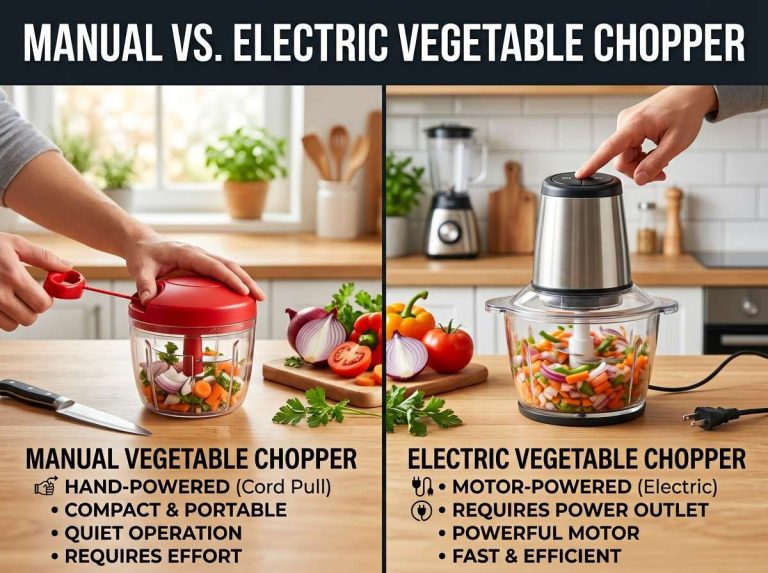
Manual slicers rely on your hand pressure and speed, giving close control over the cut. Electric slicers run at a steady speed, which aids consistency but can spread residue quickly. Both benefit from the same preparation steps.
Which Setup Suits Beginners Best
For occasional use, a simple manual slicer is often easier to control and clean. Electric models suit larger batches and frequent slicing.
Cleaning and Maintaining Your Slicer
Regular cleaning keeps a slicer working well and reduces sticking over time. Good habits take only a few minutes.
Removing Stuck Food Safely
Switch off and unplug an electric slicer before clearing a stuck piece. Use the pusher or a soft brush rather than your fingers, and never reach near the moving blade.
Routine Care to Prevent Buildup
Wash removable parts after each use, following the maker’s instructions, and dry them fully before storing. Check the blade and guard for nicks or residue, and store the slicer in a dry place.
Frequently Asked Questions
Why does my vegetable stick to the slicer even when it’s sharp?
A sharp blade still meets moisture, starch and soft flesh, and these can cling. Wet or very ripe produce is a common cause. Chilling and drying often help.
Can I use cooking spray on the blade?
A very light coat of food-safe oil is the usual choice. Check the slicer’s manual before using any spray, since some products can leave residue. Wipe away any excess.
Do I need to peel vegetables before slicing?
It depends on the vegetable and your recipe. Thin skins are often fine to keep, while thick or waxy skins may be better removed. Peeling can also remove sticky surfaces.
Is it safe to use my fingers to clear stuck pieces?
No. Switch off and unplug an electric slicer first, then use the pusher or a soft brush. Keep your fingers well away from the blade at all times.
How often should I clean my slicer during use?
Clear the tray and blade area after each batch, or whenever slices start to cling. A full cleaning should follow once you finish slicing.
Conclusion
Sticking usually comes from moisture, starch, soft texture and a dull or dirty blade. Chilling, drying and trimming produce before slicing make a clear difference. A light coat of oil and regular cleaning help slices fall away cleanly. With these habits, beginners can slice most vegetables with less mess and more consistent results.

Mary is a home cooking enthusiast and kitchen gear reviewer with a passion for practical cookware and food preparation tools. She enjoys testing cutting boards, knives, kitchen gadgets, and other cooking essentials to help home chefs make smarter buying decisions. Through KitchenCutting.com, Mary shares honest product reviews, buying guides, and helpful kitchen tips to make cooking easier, safer, and more enjoyable.