5 Best Handmade Japanese Kitchen Knives In 2026
As an Amazon Associate we earn from qualifying purchases.
Shopping for the best handmade Japanese kitchen knives can feel confusing at first. Terms like high carbon steel, Damascus cladding and hand forged appear on almost every listing, and prices vary widely. This guide is written for beginners who want to understand what these knives offer and which type might suit their cooking.
The five products reviewed here share a few traits. Each is marketed as hand forged, hand sharpened or hand polished, and each uses a Japanese-style blade shape or handle design. The comparison below rests on the listed features and typical use of each product, not on personal testing.


1. Japanese Knife Set: best for a full set with a bag and shears
This set is a broad kit that aims to cover most daily kitchen tasks. It includes four knives, poultry shears, a honing steel and a storage bag. It suits buyers who want many tools in one package rather than a single favorite blade.
What the set includes
The set contains an 8-inch Kiritsuke knife, an 8-inch Gyuto knife, a 7-inch Santoku knife and a 7-inch Nakiri knife. A Kiritsuke is a Japanese blade with a straight edge and a pointed tip. A Gyuto is a general-purpose chef knife, while a Santoku and a Nakiri are shorter blades suited to chopping vegetables.
Blade and handle design
The blades are made from high carbon steel and are said to be hand polished to a 15 to 17 degree edge. A narrow edge angle usually means the blade cuts with less resistance. The blades have a hammered look and a black coating on both sides, which the listing says helps food slide off during cutting.
The handles follow a classic Japanese design and use premium wood. The listing points to stability and slip resistance as the main benefits of this handle style.
Daily use and care
Because the set covers many tasks, a beginner can use one knife for most jobs and reach for another when needed. High carbon steel can rust if left wet, so drying the blades after washing matters. The listing also notes that new knives may arrive coated in protective oil, which should be washed off with detergent before use.
Performance and ease of use
The listing describes the blades as able to handle thick meat, fish, fruit and tough vegetables. Ease of use depends on comfort with a larger set, since four knives and shears take more learning than a single blade. Hand washing is required, so dishwasher use is ruled out.
Value for money
At the listed price, the set offers many pieces for one purchase. Buyers who need all of these tools will likely find the price reasonable. Buyers who only want one good knife may find the value less clear.
Pros
- Four knives, shears and a honing steel in one purchase
- Includes a storage bag for carrying or storage
- High carbon steel blades with a narrow listed edge angle
- Classic Japanese handle with slip resistance
Cons
- High carbon steel needs drying and careful care to avoid rust
- Hand washing is required, so it does not suit dishwasher users
- Four blades take time to learn if you only cook simple meals
- The hammered black coating may not suit every taste in appearance
2. Japanese Chef Knife Set 3 Pcs: best for a premium Damascus gift set
This three-piece set uses Damascus steel with a VG10 steel core. It is priced higher than most others here and comes in a gift box. It suits buyers who want a striking look and a focused set of three core knives.
The three knives
The set includes an a 8-inch Chef knife, a 7-inch Santoku knife and a 3.5-inch Paring knife. The chef knife handles most general cutting, the Santoku suits slicing and chopping, and the paring knife covers small, detailed jobs like peeling.
Steel and blade construction
The blades use a VG10 steel core with 67 layers of steel forming the Damascus pattern around it. Damascus steel is layered metal that creates a wavy, patterned surface. The listing says the core has a hardness of 62 HRC, and each blade is hand sharpened to a 12-degree angle per side.
Layered construction is often described as adding toughness and some resistance to corrosion. The patterns are natural, so no two blades look exactly alike.
Handle and balance
The handles combine stabilized wood with ocean-blue resin, and the listing notes that each handle is unique. The full tang design means the steel runs through the entire handle, which supports balance. The ergonomic shape is described as reducing hand fatigue during longer sessions.
Daily use and care
Because the knives have a thin, sharp edge, they are best kept in a block or sheath to protect the cutting edge. Hand washing and drying are the standard care steps for knives of this type. Beginners should avoid cutting on hard surfaces like glass or stone, which can dull or chip the edge.
Performance and ease of use
The listing describes smooth, effortless cuts and good edge retention, which means the blade stays sharp for longer between sharpenings. A sharp knife generally requires less force, which can make cutting feel easier, but it also demands more care. Three knives keep the set simple to store and learn.
Value for money
At the listed price, buyers pay for the Damascus construction, the VG10 core and the gift box. Those features suit buyers who value appearance and a premium gift. Buyers who mainly want function may find other sets offer more for less.
Pros
- VG10 steel core with a listed hardness of 62 HRC
- Damascus layering gives each blade a distinct pattern
- Full tang design supports balance and durability
- Includes a gift box, which suits presents
Cons
- Higher price than most other sets in this list
- Only three knives, so some tasks may need additional tools
- Thin, sharp edges need careful storage and cutting surfaces
- Stabilized wood and resin handles need hand washing
3. Huusk Butcher Knife Set of 3: best for meat cutting and outdoor use
This set includes three heavier-looking blades designed for meat, bones and general prep. It also suits backyard barbecues and camping trips. It is the lowest priced set in this list.
The three knives
The set includes a 6.2-inch butcher knife for smashing bones, a 6.2-inch chef knife for dicing vegetables and a 5.9-inch Viking knife for precision work. A butcher knife is a sturdier blade for heavier meat tasks. The Viking knife is a shorter, specialized blade with a finger hole for control.
Forging and blade design
The blades are described as hand forged from high quality Japanese steel using hammering techniques. Forging shapes metal by hammering it, which many makers believe improves the grain of the steel. The hand-hammered finish is said to reduce food sticking and gives the blades a rustic look.
The blades use a 16-degree V-shaped edge, which the listing describes as sharp and able to deliver clean cuts. The finger hole on the Viking knife gives a secure grip for detailed work.
Handle and durability
The full tang solid steel core runs through a hand polished wooden handle. The contoured grip is designed to fit the palm. The listing says the set offers perfect balance for chopping joints and precise slicing, though balance is a matter of personal feel.
Daily use and care
Heavier bl ades like these feel different in hand than slimmer chef knives. Beginners often find the weight helpful for chopping through bone, but harder to control for delicate slicing. Hand washing and prompt drying help protect the hammered surface and the steel.
Performance and ease of use
The listing describes exceptional edge retention and clean cuts with minimal food tearing. A butcher knife is built for force, so it suits tougher jobs better than fine work. The Viking knife covers the detailed tasks, which means the set asks the user to switch knives as needed.
The set may feel less natural for someone who only cooks vegetables and light meals. Learning which knife suits which job takes some practice.
Value for money
At the listed price, this is the most affordable set here. Buyers get three purpose-driven blades and a gift box for a modest outlay. That makes it a practical option for those who want a meat-focused set without a high spend.
Pros
- Lowest listed price among the five products
- Three blades suited to meat, bones and general prep
- Hand-hammered finish said to reduce food sticking
- Full tang core and contoured wooden handle
Cons
- Heavier blades can feel tiring for long slicing sessions
- The specialized Viking knife suits fewer everyday tasks
- Wooden handle needs hand washing and drying
- Less suited to fine, delicate vegetable work
4. imarku 3 Pieces Knife set: best for everyday home cooking
This three-piece set covers the core tasks most home cooks handle each day. It uses high carbon Japanese stainless steel and a comfortable pakkawood handle. It suits buyers who want practical blades without a heavy focus on decoration.
The three knives
The set includes an 8-inch chef knife for chopping, slicing and dicing, a 7-inch Nakiri knife for meat and large ingredients, and a 3.5-inch paring knife for peeling and precision tasks. This mix covers most routine kitchen jobs with a small number of pieces.
Steel and edge
The blades are made from high carbon Japanese stainless steel. Stainless steel resists rust better than plain high carbon steel, though it is not fully rust-proof. The listing says the steel reaches 57 plus or minus 1 HRC after vacuum heat treatment and tempering, which describes its hardness.
Each knife has a 15-degree double bevel edge, meaning both sides of the blade are sharpened to meet in the middle. The blades are 2.3 millimeters thick, which the listing presents as a basis for cutting precision.
Handle and comfort
The ergonomic pakkawood handle is made from wood layered with resin, which adds durability and moisture resistance. The listing describes a comfortable grip and balanced control, which may reduce hand fatigue during longer prep. The frame is made of FSC-certified wood, meaning the wood comes from responsibly managed forests.
Daily use and care
The listing recommends hand washing and drying after each use. This simple habit extends the life of the blades and keeps the handle in good condition. The set works well for regular weeknight cooking, where a few reliable knives handle most tasks.
Performance and ease of use
The blades are described as gliding through vegetables, fruit, fish and meat. The three-knife layout is easy to learn and store. Because the set is small, beginners rarely need to decide which knife to reach for.
Value for money
At the listed price, the set sits in the middle of the range. Buyers get steel with a stated hardness, a comfortable handle and a gift box. For everyday cooks, this balance of features and cost is a sensible choice.
Pros
- Covers core tasks with three well-chosen knives
- Stainless steel resists rust better than plain high carbon steel
- Comfortable pakk wood handle with a stated balanced feel
- Includes a gift box for presents
- Responsive customer support is stated in the listing
Cons
- Stainless steel still needs drying and care to stay in good condition
- No dishwasher use, which adds a little routine work
- Only three knives, so specialized tasks may need extra tools
- The double bevel edge can feel different for those used to other blades
5. Atumuryou Japanese Chef Knife 8 Inch: best for a single premium chef knife
This is a single 8-inch chef knife with Damascus cladding and a VG10 steel core. It is the only single-blade product in this list. It suits buyers who want one high-quality knife for most cutting work.
What it is
A chef knife is the general-purpose blade most cooks use first. This 8-inch version can chop, slice and dice most vegetables, meat and fish. Because it is one knife, it asks less of the buyer than a full set.
Steel and construction
The blade has a VG10 steel core rated at 62 HRC, wrapped in 67 layers of Damascus steel. The listing says the knife is hand sharpened using Japanese techniques and is designed to hold its edge longer than ordinary kitchen knives. Edge retention means how long a blade stays sharp during use.
The listing also highlights stain resistance and rust-proof patterns. Like any high carbon blade, it still benefits from drying after washing.
Handle and balance
The handle combines stabilized wood and resin and is described as ergonomic and slip-resistant. A well-balanced knife can reduce wrist fatigue, and the listing says this design helps during long meal prep. Grip comfort is personal, so buyers should consider how the handle feels in their own hand.
Daily use and care
Because the knife is single, it becomes the main tool for daily work. Beginners should use a wooden or plastic cutting board and store the knife safely. Hand washing and drying are the recommended care steps for this type of blade.
Performance and ease of use
The listing describes smooth cutting through meat, fish and vegetables with precision. A sharp chef knife generally takes less effort, though it rewards careful handling. With one blade, a beginner can focus on learning good technique rather than switching tools.
Value for money
At the listed price, buyers pay for a single premium blade with Damascus construction and a VG10 core. Buyers who want one great knife may find this a sensible use of budget. Those who need a full set of tools may get more pieces for the same money elsewhere.
Pros
- One versatile 8-inch chef knife for most daily tasks
- VG10 steel core rated at 62 HRC
- Damascus layering gives a distinctive look
- Comfortable, slip-resistant handle with a balanced feel
Cons
- Only one knife, so other tasks need additional tools
- Premium steel still needs careful drying and storage
- Sharp edge calls for a suitable cutting surface
- Price is higher than some full sets in this list
Comparison insights: how the five knives differ
The five products fall into three groups. Two are full sets with many tools, two are three-piece sets, and one is a single chef knife. Each group suits a different kind of buyer.
For performance, the Damascus sets with VG10 cores are described as keeping a sharp edge longer. The high carbon and stainless options are described as practical for everyday cutting. The Huusk set stands apart with heavier blades built for meat and bone work.
For ease of use, the three-piece imarku set and the single chef knife are the simplest to learn. The Japanese Knife Set asks more of a beginner because it includes four blades and shears. The Huusk set requires switching between blades for different jobs.
For value, money depends on what the buyer needs. The Huusk set is the lowest priced, while the Damascus gift set and the single chef knife sit at the higher end. The Japanese Knife Set offers the most pieces for one purchase.
Buying guide: key factors explained in plain words
Picking a knife starts with knowing how you cook. A large family with varied meals will need a different set than someone who mainly prepares quick lunches. Think about the tasks you do most often before comparing prices.
Steel type
Steel is the metal the blade is made from. High carbon steel holds a sharp edge well but can rust if left wet. Stainless steel resists rust better but may not stay as sharp for as long. Many Japanese-style knives use one or the other, or blend them in layers.
Hardness
Hardness describes how resistant the steel is to denting and how well it holds an edge. The HRC scale is used to measure it, and higher numbers usually mean harder steel. Very hard steel can be more brittle, so a balance matters.
Edge angle
The edge angle is the angle at which the blade is sharpened. A smaller angle, such as 12 to 17 degrees, usually cuts with less resistance but may be more delicate. A larger angle is often more durable. Beginners should look for a balance that fits their cutting habits.
Handle and balance
The handle affects comfort, grip and control. Wood, resin and composite handles are common, and each feels different in the hand. Balance describes where the weight sits along the blade, and a balanced knife often feels easier to control over time.
Full tang construction
A full tang knife has steel that extends through the entire handle. This design is often linked to better balance and strength. It is a helpful feature to look for, though it does not guarantee quality on its own.
Care and maintenance
All five products are described as hand wash only. Drying after each use protects the blades from rust and keeps handles in good shape. Using a wooden or plastic cutting board also helps protect the edge.
Set size and purpose
A full set gives many tools but takes more learning and storage space. A single knife keeps things simple but asks you to buy extra tools for specialized tasks. Matching the set size to your needs is often more important than the number of pieces.
Who should buy these products
Each product suits a different kind of buyer. The right choice depends on how much you cook, what you cook and how much you plan to spend. The notes below match each type of buyer to a likely fit.
A buyer who wants many tools in one package may consider the Japanese Knife Set. It covers slicing, chopping and tough vegetables, and the bag makes it easy to carry for outdoor cooking. This suits someone setting up a kitchen from scratch.
A buyer who wants a striking gift or a premium Damascus set may consider the Japanese Chef Knife Set 3 Pcs. The three knives cover the main tasks, and the gift box suits special occasions. This suits someone who values appearance and is willing to pay more.
A buyer who cooks a lot of meat or enjoys barbecues and camping may consider the Huusk Butcher Knife Set of 3. The heavier blades suit bones and tough cuts, and the set is the most affordable here. This suits someone with a moderate budget and a focus on meat.
A buyer who cooks everyday meals at home may consider the imarku 3 Pieces Knife set. The three blades cover routine tasks, and the stainless steel is easier to keep in good condition. This suits someone who wants a practical, mid-priced set.
A buyer who wants one high-quality knife for most tasks may consider the Atumuryou Japanese Chef Knife 8 Inch. It serves as a main blade for daily cooking. This suits someone who prefers a single premium knife and has other tools already.
Final verdict
All five products are described as handmade or hand finished Japanese-style knives. Each one offers a different balance of tools, steel, handle and price. No single product suits every cook.
For most beginners who want a sensible starting point, the imarku 3 Pieces Knife set offers a practical mix of blades at a a moderate price. Its three knives cover the main daily tasks, and the stainless steel is easier to care for than high carbon steel.
Buyers who want a full set with a bag and shears may prefer the Japanese Knife Set instead.
Buyers who want a premium look and a gift-ready package may find the Japanese Chef Knife Set 3 Pcs appealing.
Those who cook mostly meat or want a budget-friendly option may consider the Huusk Butcher Knife Set of 3. Anyone who prefers one main knife can look at the Atumuryou Japanese Chef Knife 8 Inch.
In short, the right knife depends on your cooking habits, comfort with care routines and budget. Compare the features listed above against the tasks you do most. Hand washing and drying after each use will help any of these knives last.
Frequently Asked Questions
Are handmade Japanese kitchen knives better than regular knives?
Handmade Japanese knives are often praised for sharpness and balance. However, “better” depends on your needs. A well-made standard knife can also work well for everyday cooking.
What is the difference between high carbon steel and stainless steel?
High carbon steel usually holds a sharp edge well but can rust if left wet. Stainless steel resists rust more easily but may not stay as sharp for as long. Many knives blend both to balance the two.
Can I put these knives in the dishwasher?
No. The listings for these products recommend hand washing and drying. Dishwashers can dull blades and damage wooden or resin handles.
Which knife should a beginner start with?
An 8-inch chef knife is a common starting point because it handles many tasks. A small set, such as a three-piece set, can also help beginners learn which blade suits each job.
How do I keep a Japanese knife sharp?
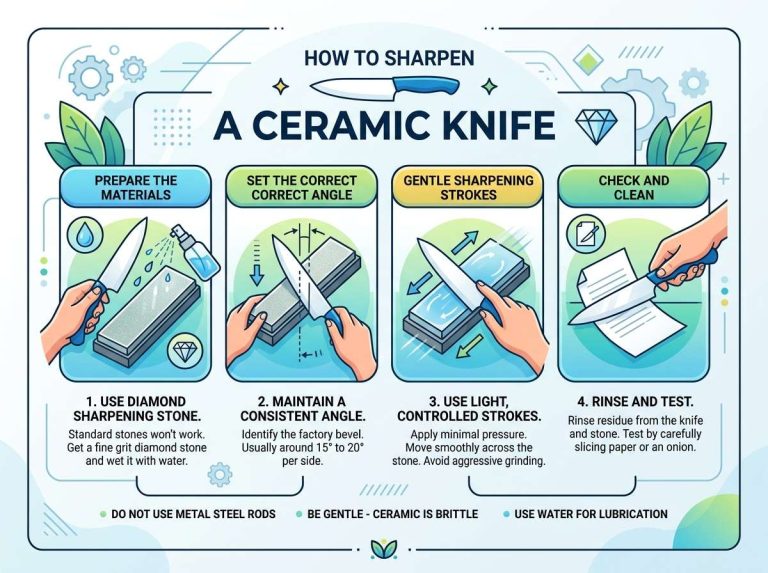
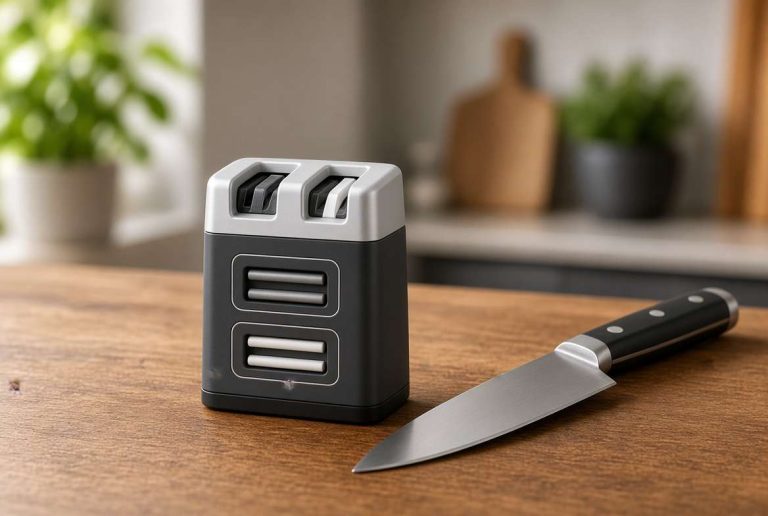
Regular honing with a honing steel helps keep the edge aligned between sharpenings. Cutting on wooden or plastic boards protects the edge. Sharpening from time to time with a whetstone or a suitable sharpener keeps the blade in good shape.

Mary is a home cooking enthusiast and kitchen gear reviewer with a passion for practical cookware and food preparation tools. She enjoys testing cutting boards, knives, kitchen gadgets, and other cooking essentials to help home chefs make smarter buying decisions. Through KitchenCutting.com, Mary shares honest product reviews, buying guides, and helpful kitchen tips to make cooking easier, safer, and more enjoyable.